
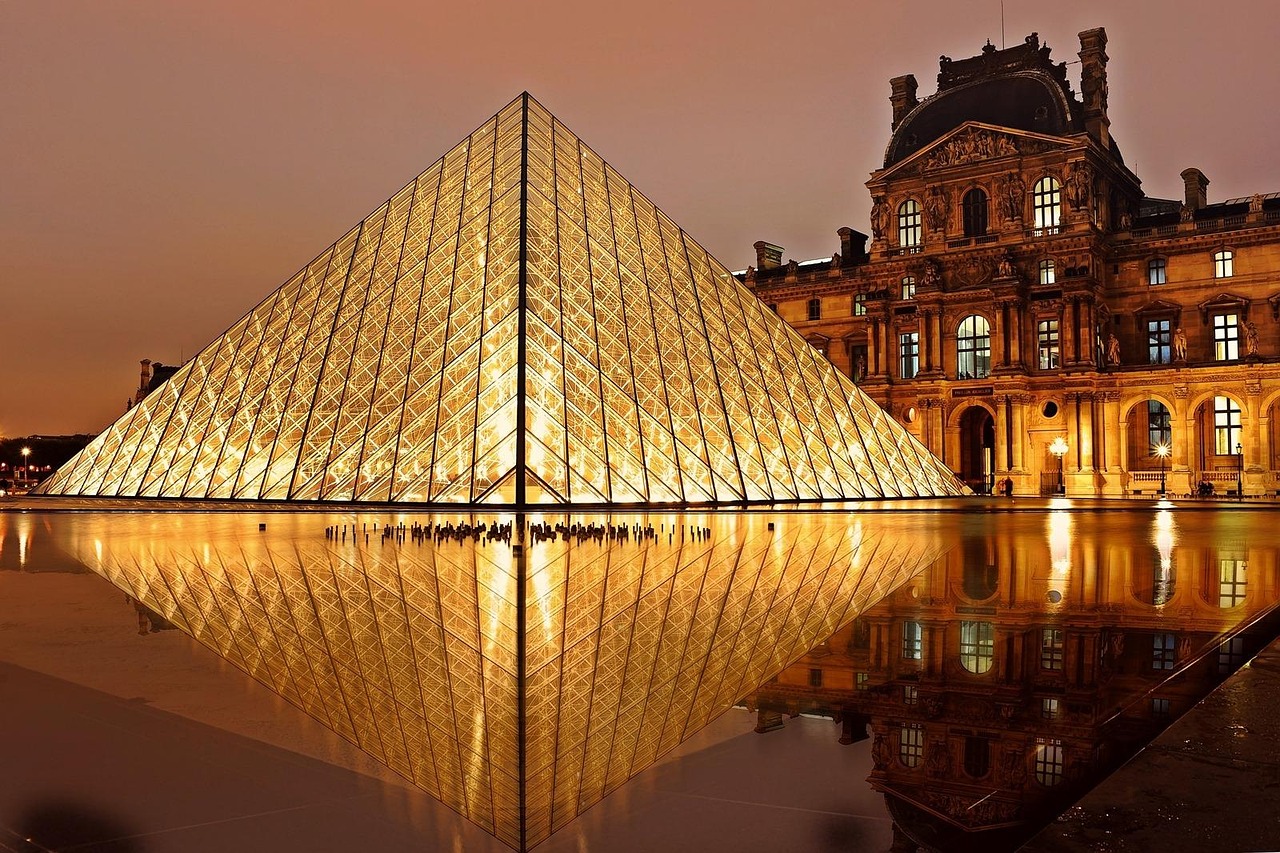
Best 7-Day Europe Tour Packages for First-Timers (7 day Europe tour packages)
If you are searching for 7 day Europe tour packages that give you a taste of the continent without overwhelming your schedule, you’ve come to the right place. These itineraries balance iconic sights with relaxed pacing, making them ideal for travelers who want a structured experience but still crave moments to wander on their own.
Most operators design these trips around a hub‑and‑spoke model: you spend two or three nights in a major city, then take day trips to nearby attractions. For example, a package might base you in Paris, with excursions to Versailles and the Loire Valley, before moving on to Rome for a similar pattern. This approach cuts down on constant packing while still delivering variety.
I’d recommend looking for tours that include a mix of guided walks and free time. Guided segments help you grasp the history and culture quickly, while free periods let you linger at a café, explore a market, or simply people‑watch. Check whether meals are included; some packages cover breakfast only, others offer half‑board or full‑board options, which can affect both cost and flexibility.
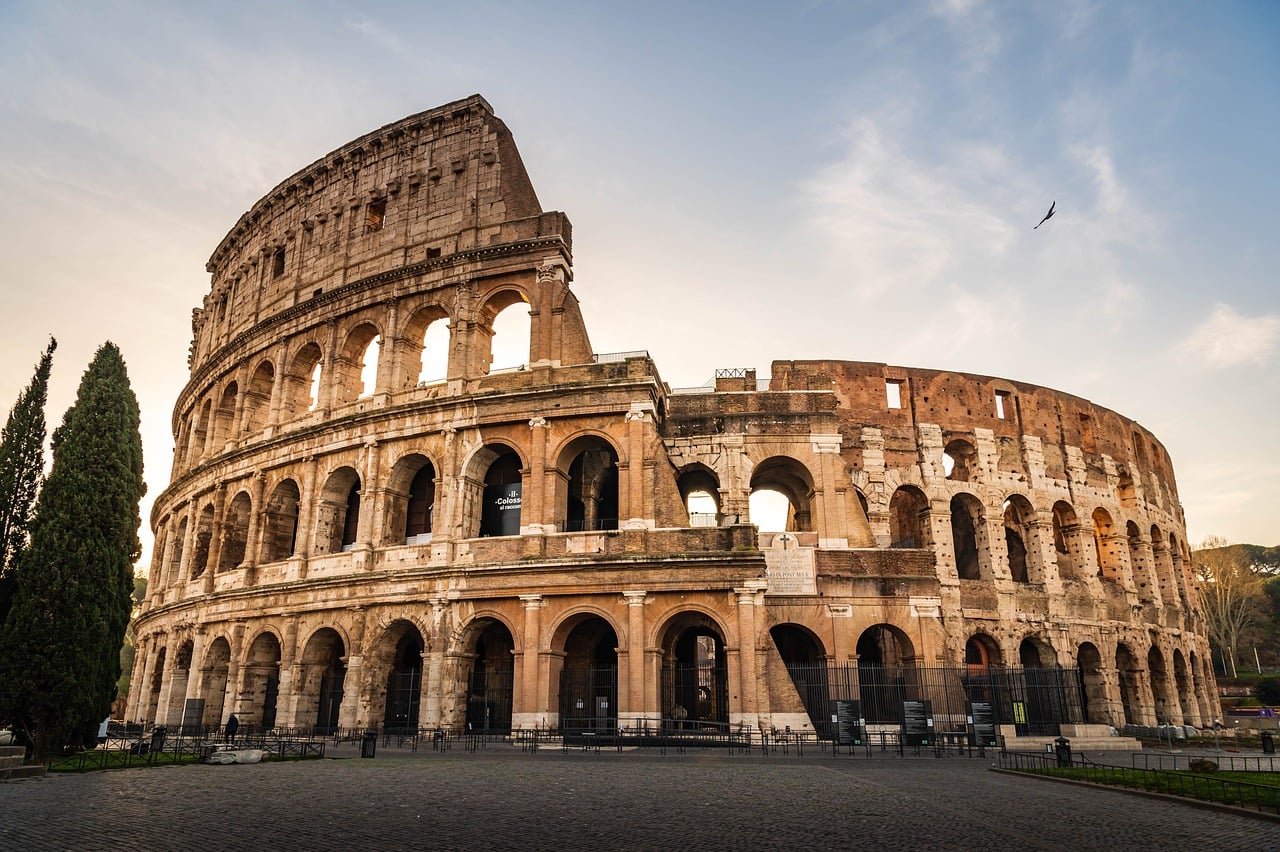
One-Country vs. Multi-City 7-Day Europe Itineraries (7 day Europe tour packages)
Choosing between a deep dive into a single nation and a whirlwind tour of several cities shapes the rhythm of your week. Both styles have merits, and the best pick depends on how you like to travel.
Classic Western Europe Highlights (Paris, Rome, Amsterdam) (7 day Europe tour packages)
This route strings together three capitals famous for art, food, and atmosphere. You might start in Paris, spend two days seeing the Louvre, Montmartre, and a Seine cruise, then fly to Rome for ancient wonders and Vatican City, before finishing in Amsterdam with its canals and museums. Flights between cities are usually short, and many packages include airport transfers to keep logistics smooth.
I’d suggest this option if you enjoy ticking off big‑name sights and don’t mind a faster pace. The trade‑off is less time to explore neighbourhoods beyond the main attractions.
Mediterranean Coast & Islands (Greece, Croatia, Italy) (7 day Europe tour packages)
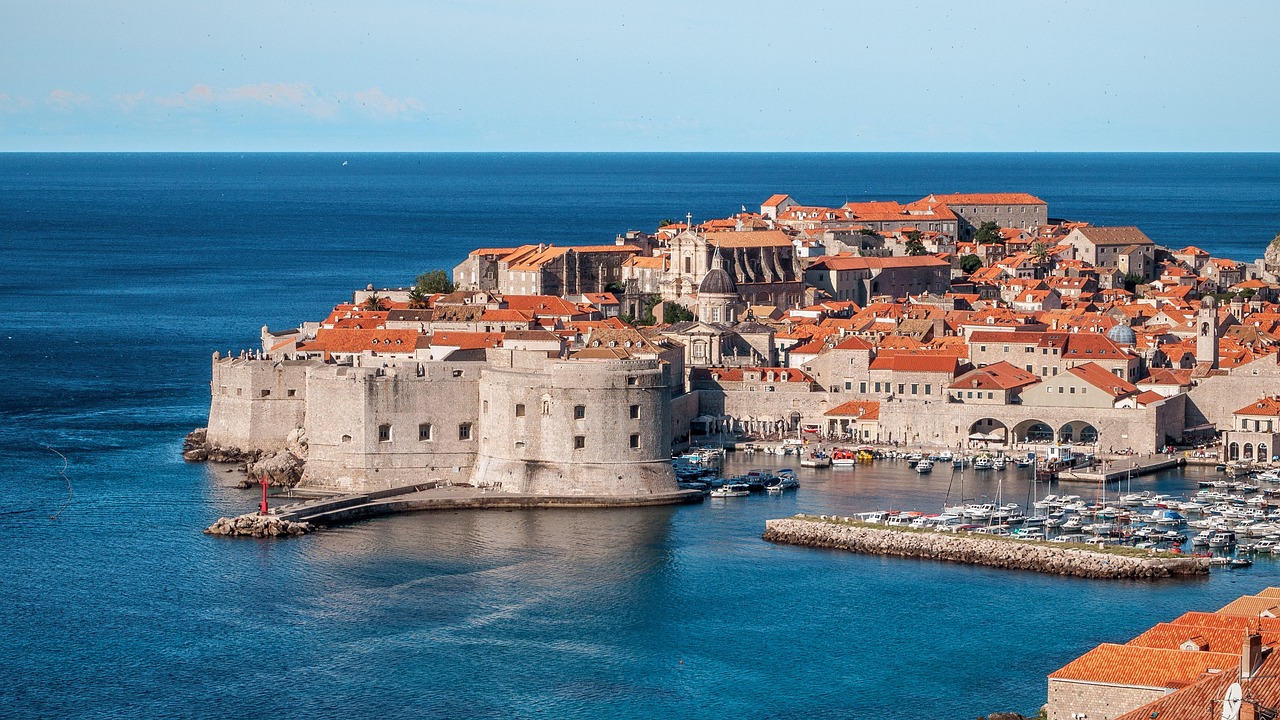
Here the focus shifts to sun, sea, and relaxed coastal towns. A typical itinerary could begin in Dubrovnik, walk the city walls, then hop to Split for Diocletian’s Palace, continue to Hvar for lavender fields and beaches, and finish with a few days in Athens to see the Acropolis and enjoy Greek tavernas. Ferries or short flights link the islands, and many tours provide a guide who shares stories about each port.
If you love swimming, fresh seafood, and laid‑back evenings, this style feels more like a vacation than a checklist. Just remember that ferry schedules can change with the weather, so build in a buffer.
Central Europe & Seasonal Christmas Markets (7 day Europe tour packages)
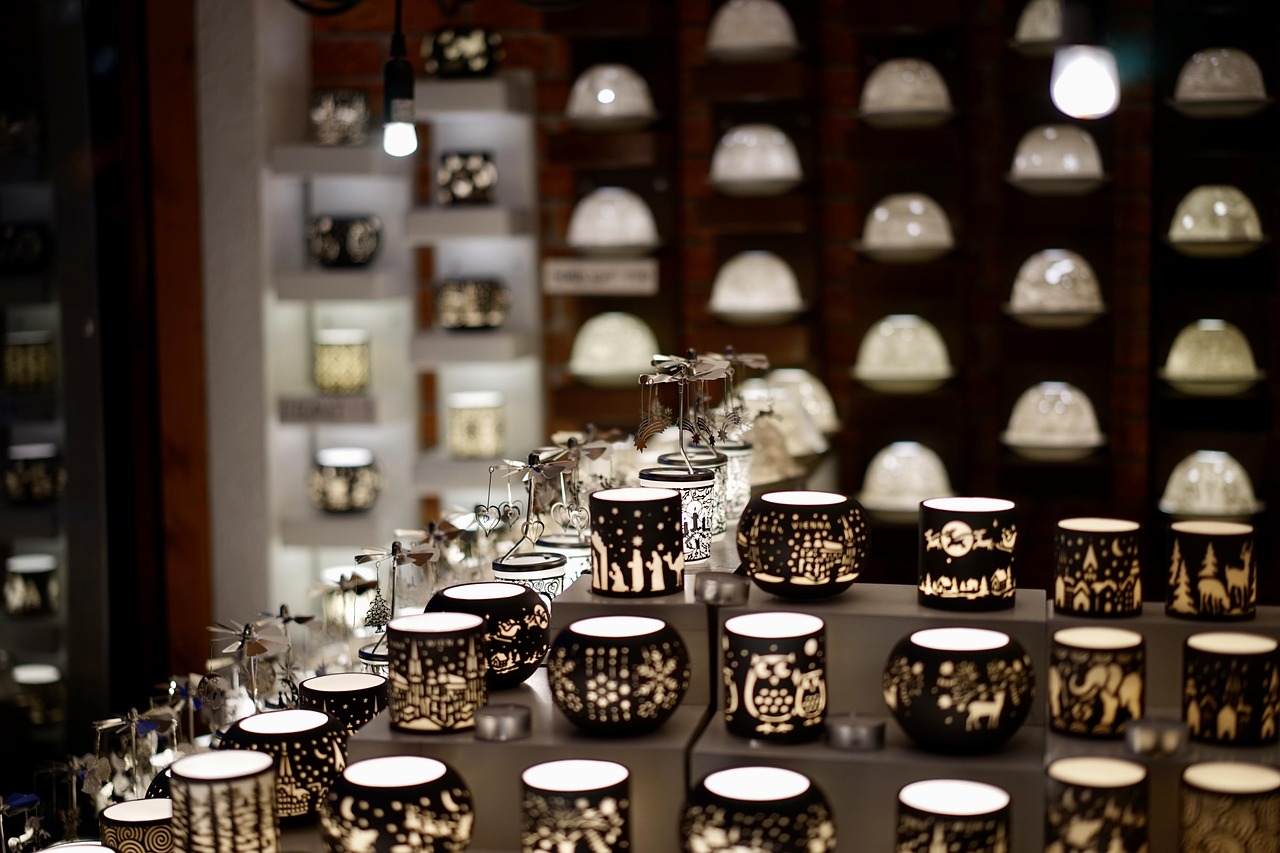
Winter travelers often gravitate toward markets in Vienna, Prague, and Budapest. A week‑long package might allocate two nights in each city, with guided tours of palaces, historic squares, and, of course, the mulled‑wine stalls. The festive lights and seasonal crafts create a cozy atmosphere that’s hard to replicate at other times of year.
I’d note that temperatures can hover around freezing, so packing warm layers is essential. The upside is fewer crowds at major museums, letting you enjoy indoor culture at a leisurely pace.
7-Day Europe Tour Packages Cost & Budget Tiers (7 day Europe tour packages)
Price varies widely based on accommodation standard, transport mode, and what’s bundled into the price. Understanding the tiers helps you match a package to your wallet and travel style.
Budget Group Tours vs. Mid-Range Guided Trips (7 day Europe tour packages)
Budget tours often use 2‑ or 3‑star hotels, shared coaches, and include breakfast only. Group sizes can reach 30‑40 people, which keeps the per‑person cost low but may mean less personal attention from guides. Expect a lot of walking and early starts to maximize sightseeing time.
Mid‑range options usually upgrade to 3‑ or 4‑star hotels, incorporate some meals (often breakfast and dinner), and may use a mix of rail and private transfers. Group sizes tend to shrink to 15‑20, allowing guides to offer more context and answer questions on the fly.
My advice is to compare what “included” really means. A seemingly cheap package might charge extra for museum entries or city taxes, while a mid‑range fare could already cover those.
Luxury Small-Group & Private Options (7 day Europe tour packages)
At the top end, you’ll find boutique hotels, private transfers, and guides who tailor the day to your interests. Group sizes often fall below 10, or you may opt for a completely private itinerary. These packages frequently include specialty experiences—think a private after‑hours museum visit, a wine tasting in a historic cellar, or a cooking class with a local chef.
Because the price reflects exclusivity, I’d suggest looking at what added value you receive. If you prioritize flexibility and personal attention, the splurge can be worthwhile; if you’re comfortable navigating on your own, a mid‑range tour might serve you just as well.
Where to Stay on Your 7-Day Europe Tour (7 day Europe tour packages)
Accommodation shapes your comfort and how easily you can reach sights each day. Most tours pre‑book hotels, but knowing the standards helps you set expectations.
Central 3-4 Star Hotels vs. Boutique Stays (7 day Europe tour packages)
Many mid‑range packages place you in well‑known chains located near major train stations or squares. These hotels offer reliable service, consistent rooms, and often a breakfast buffet. Boutique alternatives, sometimes included in luxury tours, feature unique décor, personalized touches, and may be set in historic buildings.
If you enjoy a lively atmosphere and easy access to public transport, a central hotel works well. If you prefer quiet charm and a sense of place, a boutique property can make evenings more memorable.
For practical tips on what to pack for different hotel types, see our travel tips page.
Included Accommodation Standards by Package Tier (7 day Europe tour packages)
Budget tours typically confirm 2‑star or basic 3‑star properties, sometimes with shared bathrooms. Mid‑range guarantees usually specify 3‑star or 4‑star hotels with en‑suite facilities. Luxury packages explicitly list 4‑star or 5‑star hotels, often with amenities like spas, rooftop bars, or concierge service.
When reviewing a package, look for the hotel name or at least the star rating and location. If the description is vague, ask the operator for clarification before booking.
Getting There & Getting Around Europe in 7 Days (7 day Europe tour packages)
How you arrive and move between cities influences both cost and the rhythm of your week. Most packages handle transfers, but it’s useful to know the options.
Major Arrival Hubs & Airport Transfers (7 day Europe tour packages)
Common gateway airports include London Heathrow, Paris Charles de Gaulle, Frankfurt, Amsterdam Schiphol, and Madrid Barajas. Many tours provide a shuttle from the airport to the first hotel, which is especially helpful after a long flight. If you prefer to arrange your own ride, look for reputable taxi services or pre‑booked transfers.
For a stress‑free start, I’d recommend using the transfer included in the package or booking a reliable ETIAS‑compliant taxi in advance.
Inter-City Transport: High-Speed Rail vs. Coach vs. Flight (7 day Europe tour packages)
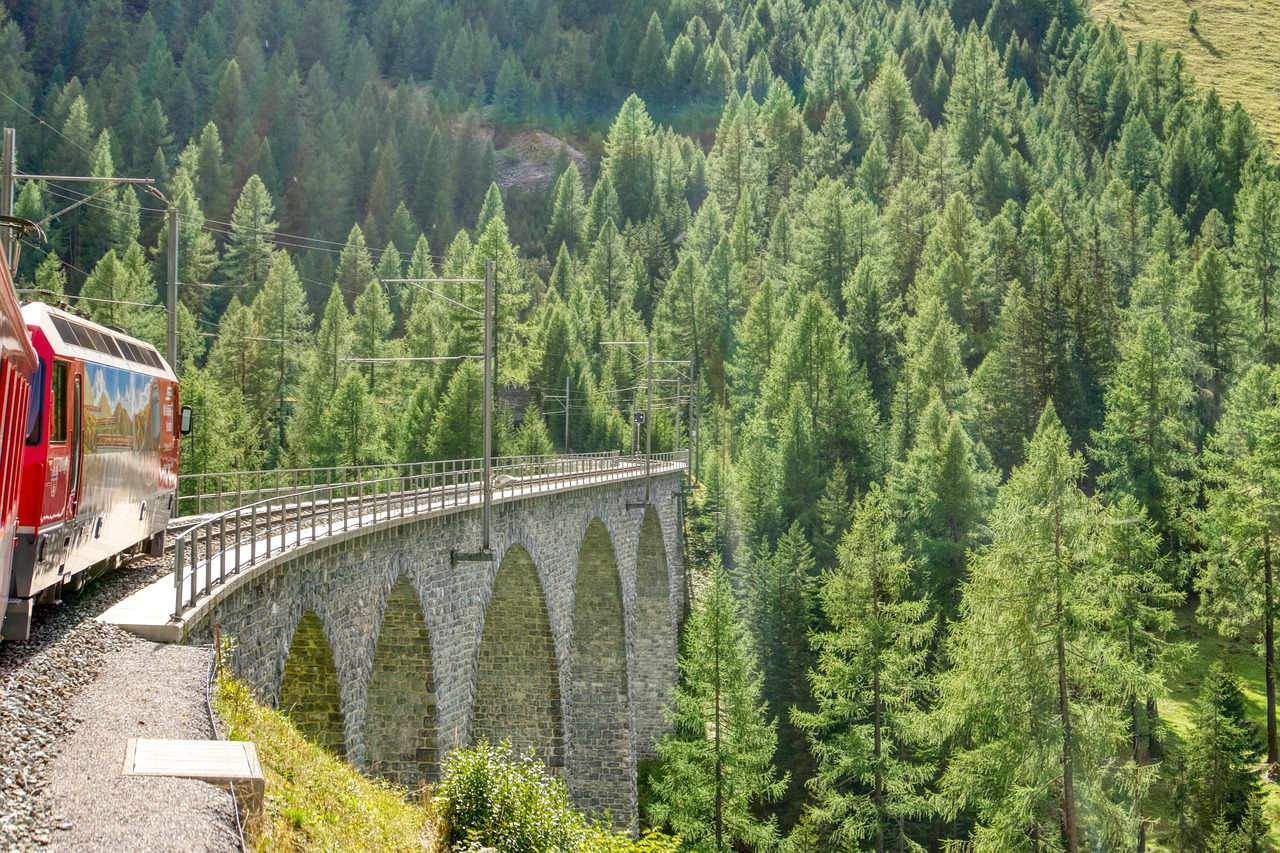
Europe’s rail network connects major cities quickly and comfortably. High‑speed trains like the TGV, ICE, or AVE often get you from city centre to city centre in under three hours, with scenic routes along the way. Coaches are slower but usually cheaper, and they can reach destinations without direct train links. Short flights save time but add airport transit and potential baggage fees.
Most tour operators choose the mode that balances speed, cost, and luggage convenience. If you have a preference—say, you love train journeys—check whether the itinerary can be adjusted or if a private upgrade is available.
Staying connected while hopping between cities is easier with a local data plan. Consider an ESIM for Europe to avoid swapping SIM cards at each border.
How to Choose the Right 7-Day Europe Tour Package (7 day Europe tour packages)
With so many options, narrowing down to the best fit requires a bit of self‑reflection and a checklist of what matters most to you.
Matching Travel Style, Pace & Group Size (7 day Europe tour packages)
Think about how you like to explore. Do you enjoy lingering in museums, or do you prefer to see a highlight and move on? Are you comfortable with early wake‑ups, or do you value a relaxed morning? Answering these questions helps you decide between a fast‑paced multi‑city tour and a slower, single‑country itinerary.
Group size also shapes the experience. Larger groups can feel lively but may mean waiting for everyone to gather before departures. Smaller groups allow more interaction with the guide and flexibility to tweak the schedule on the fly.
I’d suggest writing down your top three priorities—such as “see major landmarks,” “enjoy local food,” and “meet fellow travelers”—then compare how each package addresses them.
Inclusions Checklist: Meals, Entry Fees & Local Guides (7 day Europe tour packages)
Beyond the hotel, examine what else is covered. Some tours include breakfast only, while others offer half‑board (breakfast and dinner) or even lunch. Entry fees to major sites can add up quickly, so check whether they’re baked into the price or listed as extras.
A knowledgeable local guide can transform a visit from a simple walk‑through into a story‑filled experience. Look for tours that mention guide qualifications or language abilities. If you enjoy hands‑on activities, see whether the package offers optional add‑ons like a cooking class or a bike tour.
For those who like to plan their own extras, our guide to the best countries to visit in Europe for first‑timers offers ideas for day trips that you can book independently.
FAQ: 7-Day Europe Tour Packages (7 day Europe tour packages)
How far in advance should I book a 7 day Europe tour package?
I’d recommend booking at least three to four months ahead, especially if you’re traveling during peak seasons like summer or the Christmas market period. Early booking secures better hotel choices and often locks in lower rates.
Are flights usually included in the price?
It varies. Some operators quote a land‑only price and let you arrange your own flights, while others offer a “flight‑included” option that covers transfers from the gateway airport to the first hotel and back at the end. Always read the fine print to know what’s covered.
Can I customize the itinerary?
Many tour companies allow modest tweaks—such as swapping a museum visit for a free afternoon or upgrading a hotel night—if you request them well in advance. Fully bespoke itineraries usually require a private tour, which comes at a higher price.
What should I pack for a week in Europe?
Pack layers that you can add or remove as the weather changes. A comfortable pair of walking shoes is essential, plus a lightweight rain jacket or umbrella. Don’t forget adapters for European plugs; our plug type guide can help.
Is travel insurance necessary?
While not always mandatory, I strongly advise getting a policy that covers medical emergencies, trip cancellation, and lost baggage. Verify that the plan meets Schengen requirements if you’re applying for a visa.
How do I know if a tour is reputable?
Look for clear contact details, read recent reviews on independent sites, and check whether the operator belongs to a recognized travel association. Transparency about what’s included and any extra fees is a good sign of reliability.
What if I need help while on the tour?
Most packages provide a 24‑hour emergency number or a local representative you can call. Keep that information handy, and note the address of your hotel in case you need to show it to a taxi or local authority.
places to stay in Europe
guided city tours in Europe