
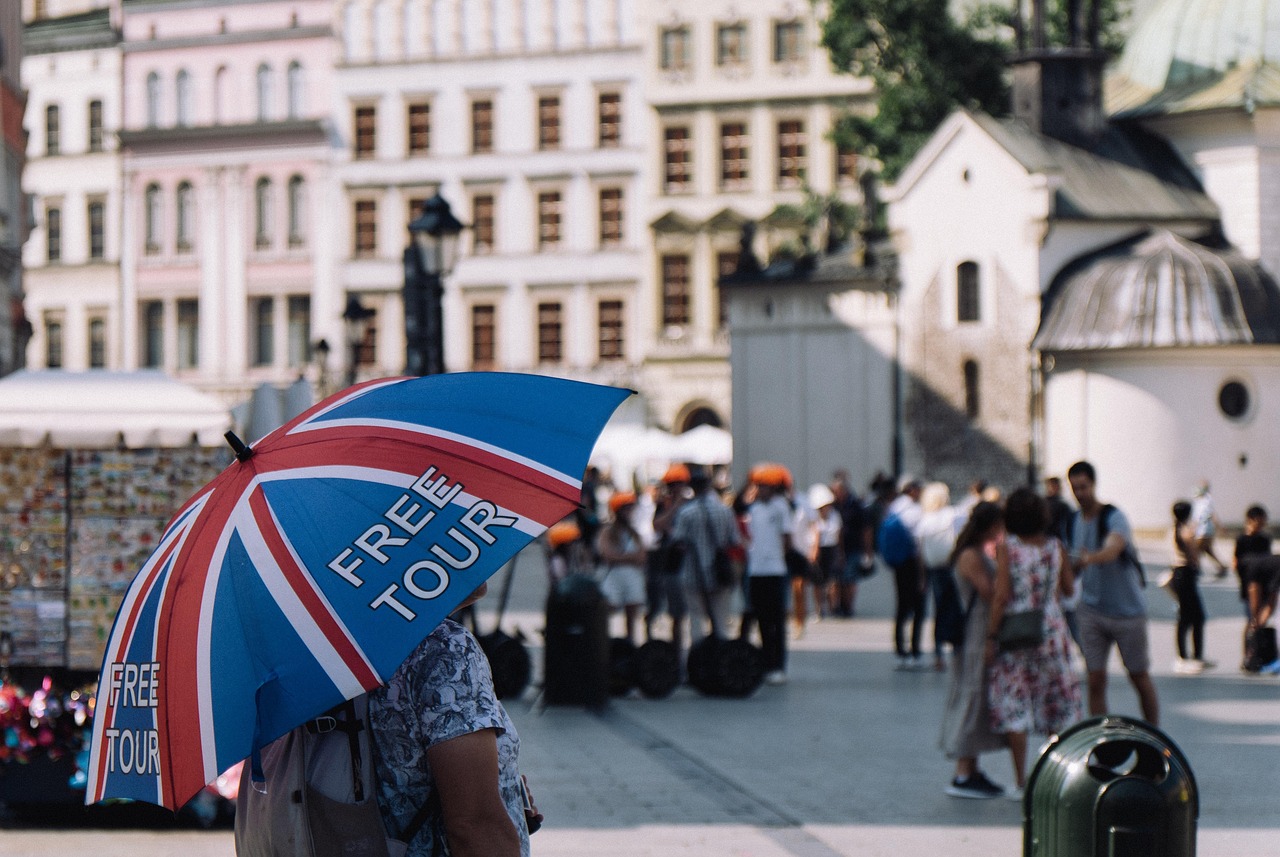
What Are Budget Europe Tour Packages & What’s Included
The phrase Budget Europe tour packages refers to pre‑arranged trips that combine transport, accommodation, and some meals at a set price aimed at cost‑conscious travelers. Typically these packages cover ground travel by bus or train, shared rooms in hostels or budget hotels, and a selection of guided city walks or museum entries. Flights are often excluded unless you choose a “fly‑in” option, and meals may be limited to breakfast. Understanding what’s bundled helps you judge whether the advertised price truly fits your travel style.
When you look at a Budget Europe tour package, check the itinerary for free‑time blocks. Those windows let you explore neighborhoods on your own, try local street food, or take a short day trip that isn’t part of the group schedule. Some operators also offer optional add‑ons like evening cruises or bike tours for an extra fee. Knowing the baseline inclusions versus the extras prevents surprise costs later on.
If you value simplicity and want to avoid juggling separate bookings, a Budget Europe tour package can be a practical starting point. Just remember that the cheapest options usually mean larger groups and basic lodging, while slightly higher‑priced tiers may offer private rooms or upgraded transport.
10 Cheapest Budget Europe Tour Packages for 2027
Below is a curated list of ten options that consistently rank among the most affordable Budget Europe tour packages for the coming year. I’ve grouped them by traveler type so you can quickly see which style matches your priorities.
Best Budget Europe Tour Packages for Young Travelers
Young backpackers often prioritize nightlife, social hostels, and flexible itineraries. Look for Budget Europe tour packages that include city passes for clubs, free walking tours, and dormitory‑style rooms in central locations. Operators such as Contiki and Busabout frequently offer 7‑ to 10‑day loops through Prague, Budapest, and Krakow priced around €450‑€550, excluding flights. These trips usually feature a mix of guided sightseeing and ample free evenings.
Another solid choice is a Budget Europe tour package that focuses on festivals. Summer editions covering Spain’s La Tomatina or Portugal’s São João festival bundle tickets, accommodation, and transport for roughly €600. If you enjoy meeting fellow travelers, opt for a package that guarantees a common lounge or organized pub crawls.
Best Budget Europe Tour Packages for Families
Families need child‑friendly activities, spacious rooms, and meals that cater to picky eaters. Many Budget Europe tour packages designed for families include breakfast, occasional lunch vouchers, and entry to attractions like aquariums or science museums. A typical 8‑day itinerary through the Netherlands, Belgium, and Germany (Amsterdam, Brussels, Cologne) can be found for about €700‑€800 per adult, with children often traveling free or at a reduced rate when sharing a room.
Consider a Budget Europe tour package that bases you in a single city with day trips—such as a stay in Valencia with excursions to Albufera Natural Park and the City of Arts and Sciences. This reduces packing and unpacking stress while keeping daily travel times short.
Best Budget Europe Tour Packages for Solo Travelers
Solo adventurers benefit from packages that emphasize safety, easy social connections, and clear solo‑supplement policies. Several Budget Europe tour packages waive the single supplement if you agree to share a room, effectively halving the lodging cost. Look for routes that cover the Baltic capitals—Tallinn, Riga, Vilnius—over six days for around €420, including hostel dorms and guided city tours.
If you prefer a bit more privacy, some operators offer private rooms in budget hotels at a modest extra charge (usually €15‑€25 per night). A Budget Europe tour package that includes a rail pass for scenic routes like the Bernina Express can add memorable experiences without blowing the budget.
Cheapest Countries for Budget Europe Tour Packages (with Regional Breakdown)
When you prioritize low daily costs, certain regions consistently deliver better value for Budget Europe tour packages. Below is a regional snapshot that highlights the most wallet‑friendly destinations and the kinds of experiences you can expect.
Eastern Europe: Bulgaria, Romania, Poland
This corridor offers some of the lowest accommodation and food prices in the continent. A Budget Europe tour package that spends three days in Sofia, three in Bucharest, and three in Warsaw can average under €30 per day for lodging and meals combined. Highlights include the Alexander Nevsky Cathedral, the Palace of the Parliament, and the historic Old Town of Kraków. Travel between cities is usually by comfortable coach or overnight train, both commonly included in the package price.
Because prices rise during summer festivals, consider visiting in late spring or early autumn to lock in the lowest rates while still enjoying pleasant weather.
Balkans: Albania, Montenegro, Bosnia
The Balkan Peninsula remains a hidden value spot for Budget Europe tour packages. Coastal towns like Kotor and Saranda offer stunning Adriatic views at a fraction of the cost of western Mediterranean resorts. A typical seven‑day loop covering Tirana, Mostar, and Budva can be priced near €350, with hostels averaging €10‑€12 per night and generous portions of grilled fish or ćevapi for under €5.
Many packages in this region incorporate ferry rides across the Bay of Kotor or boat trips to the Blue Eye spring, adding scenic variety without extra fees. Keep in mind that some border crossings may require a short wait, so build in a little buffer time.
Baltics: Lithuania, Latvia, Estonia
The Baltic states deliver a blend of medieval charm and modern efficiency at modest prices. A Budget Europe tour package that explores Vilnius, Riga, and Tallinn over eight days often costs around €400, including breakfast and guided tours of each old town. Public transport within cities is reliable and cheap, and intercity buses are frequently part of the itinerary.
Travelers interested in nature can opt for add‑on excursions to Lahemaa National Park or the Curonian Spit, which many operators offer as optional day trips for a small supplement.
Because the Baltics experience short summer seasons, booking a Budget Europe tour package for May‑June or September‑October can yield the best combination of low rates and comfortable temperatures.
Southern Europe: Portugal, Greece Off‑Season
While southern Europe is often associated with higher prices, traveling off‑season unlocks significant savings for Budget Europe tour packages. In Portugal, a Lisbon‑Porto‑Coimbra circuit in November can be secured for roughly €450, with hostels averaging €15 per night and plenty of budget-friendly petiscos (small plates) available.
Greece’s islands become remarkably affordable after the summer crowds leave. A Budget Europe tour package that includes Athens, a ferry to Crete, and a stay in Chania during October often stays under €500. You’ll still enjoy pleasant temperatures for beach walks and archaeological sites, while taverna meals stay under €10.
If you choose this route, verify that ferry schedules are still running; some operators adjust timetables in the shoulder season, but most maintain at least a few weekly departures.
How to Compare Budget Europe Tour Operators & Booking Platforms
Not all providers deliver the same value for a similar‑sounding Budget Europe tour package. Start by checking what’s explicitly listed in the price breakdown: accommodation type, meal plan, transport mode, and entry fees. Some operators hide essential items like city taxes or luggage transfers in the fine print.
Look at traveler reviews on independent sites rather than only the operator’s testimonials. Pay attention to comments about guide knowledge, punctuality, and the accuracy of the advertised itinerary. A pattern of complaints about missed connections or overcrowded buses is a red flag.
When comparing prices, convert everything to a daily cost. Divide the total package price by the number of travel days (excluding arrival and departure days if flights aren’t included). This reveals whether a seemingly cheap deal actually offers less value than a slightly pricier option with more inclusions.
Consider using a trusted comparison site or visiting the operator’s page directly. For a broader view, you might consult our Best Europe Travel Agents post, which evaluates several companies on transparency and customer support.
Hidden Costs in Budget Europe Tour Packages: Visas, Insurance & Extras
Even the most transparent Budget Europe tour package can leave you with additional expenses. Visa fees are the most common surprise for non‑EU travelers; while many nationalities enjoy visa‑free short stays, others must pay for a Schengen visa (around €80) and possibly a service charge at the application center.
Travel insurance is another line item often excluded from the base price. Basic medical coverage for a two‑week trip can start at €20, but if you want protection for trip cancellation, baggage loss, or adventure activities, expect to pay more. Some providers partner with insurers and offer a bundled rate—check whether that’s cheaper than purchasing separately.
Optional excursions, airport transfers, and luggage porter services frequently appear as add‑ons. A guided day trip to the Alps or a wine tasting tour in Bordeaux might cost €40‑€70 per person. If you anticipate wanting several of these, look for a Budget Europe tour package that includes a flexible credit or a discounted excursion bundle.
Finally, remember that some cities impose a tourist tax collected at the hotel. This is usually a few euros per night but can add up over a longer stay. Factor it into your daily budget to avoid surprises at checkout.
When to Book Budget Europe Tour Packages for the Lowest Price
Timing can shave a significant amount off the cost of a Budget Europe tour package. In general, the sweet spot lies three to four months before departure for summer travel and about six weeks ahead for winter or shoulder‑season trips. Operators release early‑bird discounts to fill inventory, then gradually raise prices as departure dates approach.
If you’re flexible with dates, consider traveling in late April‑early May or late September‑early October. These periods avoid the peak summer surge while still offering pleasant weather across much of Europe. You’ll often find the same itinerary priced 15‑25% lower than the July‑August equivalent.
Monitor flash sales on major booking platforms and sign up for newsletters from preferred operators. Some companies release limited‑time promo codes that can reduce the price of a Budget Europe tour package by an extra €50‑€100, especially for solo travelers who agree to share a room.
Lastly, avoid booking during major European holidays (such as Easter week or Christmas) unless you’re specifically targeting those events, as prices spike dramatically due to high demand.
FAQ: Budget Europe Tour Packages
What is the average daily cost of a Budget Europe tour package?
Most fall between €30 and €50 per day when you divide the total price by the number of travel days, assuming mid‑range hostels and included breakfasts.
Are flights ever included in Budget Europe tour packages?
Standard packages usually cover ground transport only. Fly‑in options exist but raise the price substantially; check the itinerary details to confirm.
Can I customize a Budget Europe tour package?
Many operators allow you to swap certain excursions or upgrade accommodation for a fee. Look for “flexible” or “tailor‑made” labels when browsing.
Is travel insurance mandatory?
It’s not required by law for most short Schengen visits, but it’s strongly advised. Some providers make it an optional add‑on rather than a compulsory part of the package.
How do I know if a Budget Europe tour package is reputable?
Check independent review sites, verify the company’s registration with a national travel association, and read the cancellation policy carefully.
Do Budget Europe tour packages include travel between countries?
Yes, most include cross‑border buses or trains. If you prefer flying between distant destinations, you’ll likely need to purchase those segments separately.
What’s the best way to save money on a Budget Europe tour package?
Book early, travel off‑season, choose shared rooms, and limit optional excursions. Also, consider using a rail pass if the package offers it as an upgrade.
Are meals typically included?
Breakfast is the most common inclusion. Some packages add a few lunches or dinners, but budget tours often leave most meals to your discretion to keep the base price low.
Can I use a Budget Europe tour package for a multi‑country itinerary?
Absolutely. Many of the cheapest options are designed to hit three or four countries in a week or two, making them ideal for first‑time visitors who want a broad overview.


Now that you’ve seen how to evaluate, time, and budget for a Budget Europe tour package, the next step is to lock in your preferred itinerary. Start by checking the latest prices on a trusted booking site, then consider adding a hotel upgrade or a guided tour if your interests lean toward specific activities. For getting around once you arrive, a reliable airport transfer can set the tone for a smooth trip, and a local SIM or eSIM plan will keep you connected without roaming fees. Whatever you choose, remember that the goal of a Budget Europe tour package is to simplify planning while keeping costs predictable—so you can spend more time enjoying Europe’s diverse cultures, landscapes, and flavors.
places to stay in Europeairport transfers in Europeguided city tours in EuropeEurope data plans