

Why 7 Day Europe Tour Packages Are Ideal for First-Timers
If you have never been to Europe, a 7 day Europe tour packages option gives you a manageable taste of the continent without the fatigue of a longer trip. You can see iconic sights, try local food, and get a feel for the pace of travel while keeping logistics simple. Most packages handle accommodation, transport between cities, and guided tours, so you spend less time planning and more time enjoying. This structure works well for couples, small groups, or solo travelers who want a balanced mix of guided highlights and free time to explore on their own.
Because the itinerary is compact, you can focus on one country or two nearby cities, which reduces travel days and lets you dive deeper into each place. For many first‑timers, that focus makes the experience feel richer than trying to chase five countries in a week. It also helps you gauge what kind of travel style you prefer before committing to a longer adventure.
Best 7 Day Europe Tour Packages by Region
When you look at 7 day Europe tour packages by region, you’ll find two popular approaches: a deep dive into a single country or a quick hop between two neighboring destinations. Both give you a solid introduction, but they cater to slightly different interests.
Italy one week itinerary highlights
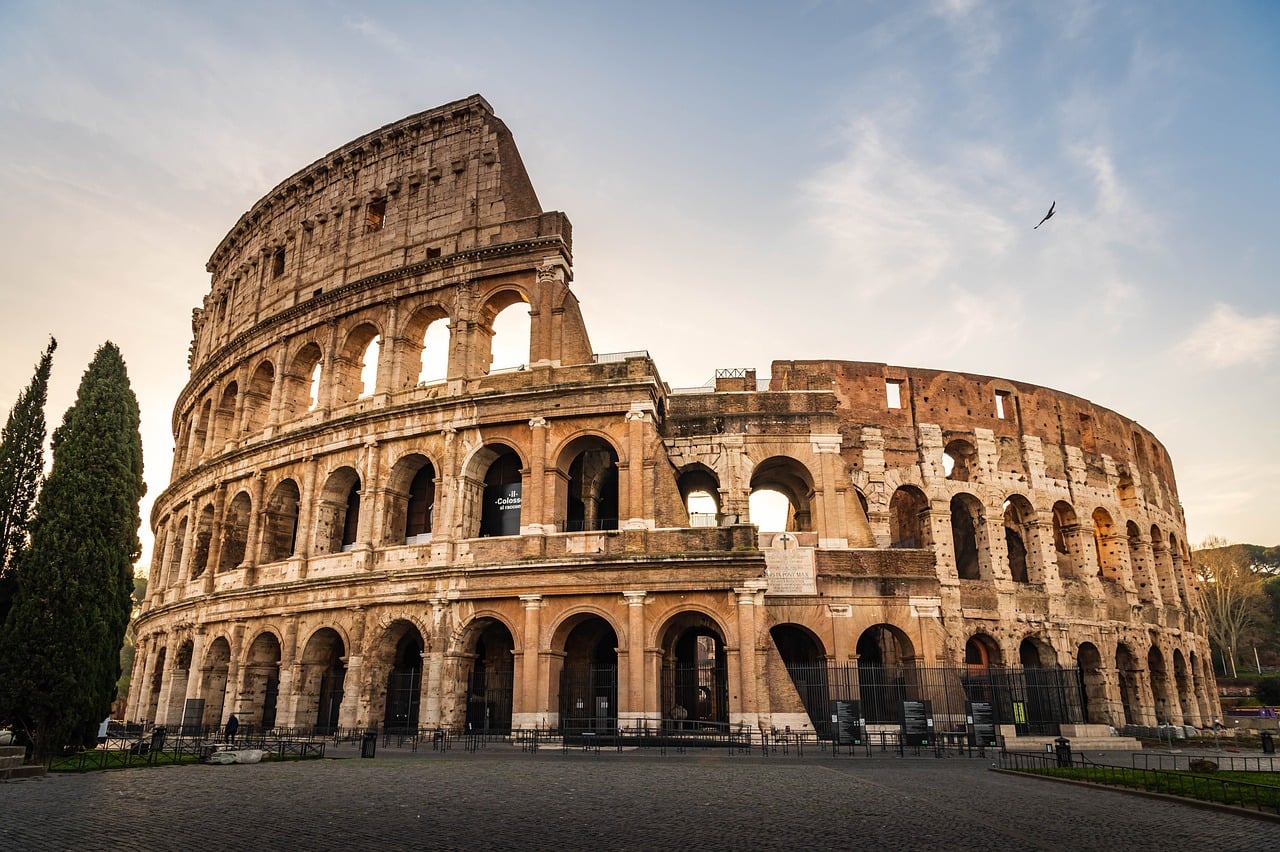
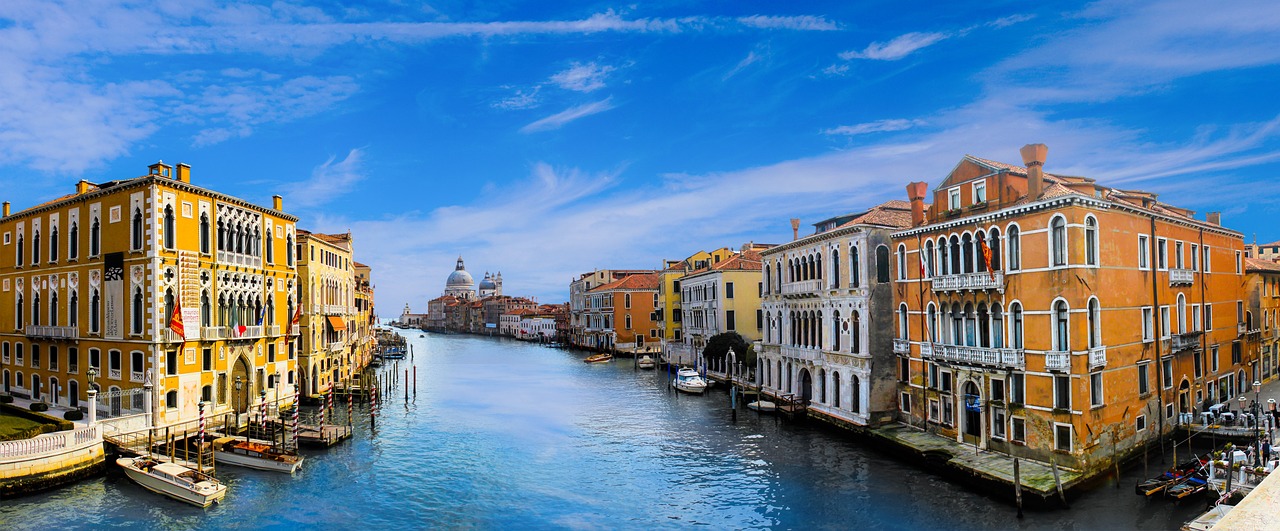
A typical Italy‑focused week might start in Rome, where you see the Colosseum, Vatican City, and wander through Trastevere. After two days, you take a train to Florence to admire the Duomo, Uffizi Gallery, and the Ponte Vecchio. The final leg often heads to Venice for a gondola ride, St. Mark’s Square, and a day trip to the islands of Murano and Burano. Along the way, you’ll sample pasta, gelato, and espresso in local trattorias.
Many operators include skip‑the‑line tickets for major attractions and a guided walking tour in each city. If you prefer more freedom, you can choose a package that offers a mix of guided mornings and free afternoons.
Croatia one week itinerary highlights
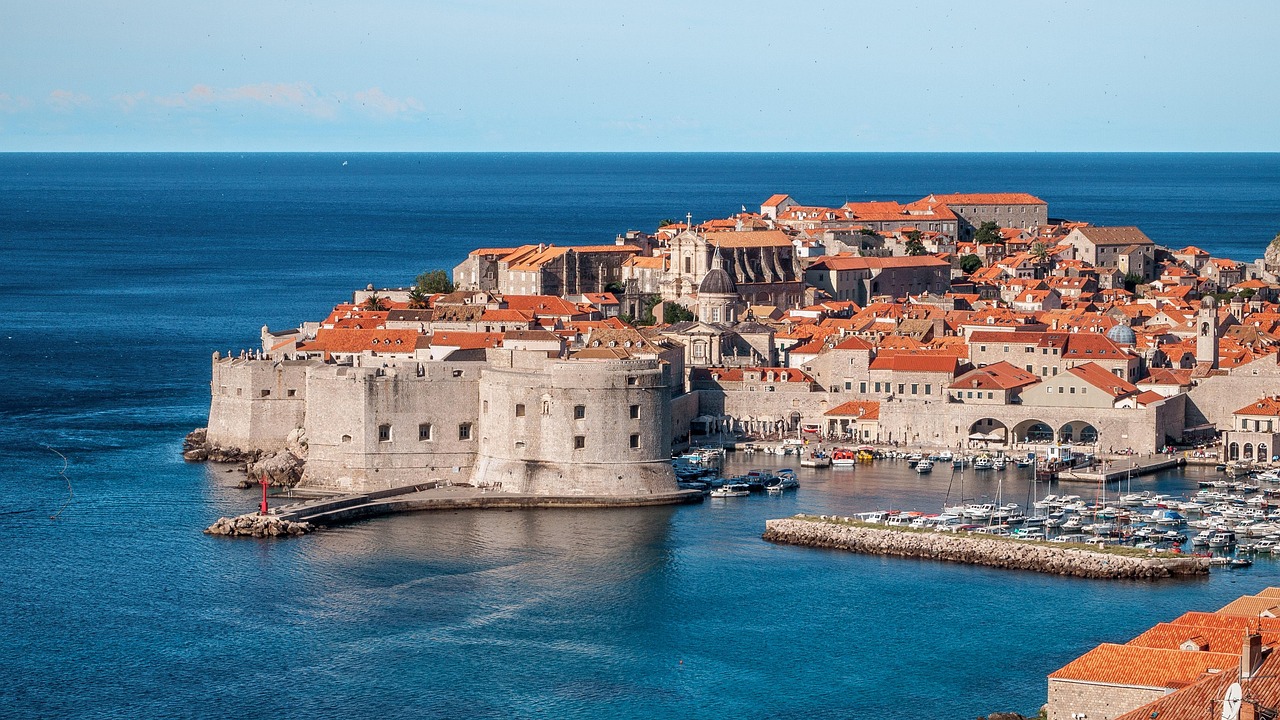
A Croatia‑centric week usually begins in Dubrovnik, where you walk the ancient walls and explore the Old Town. From there, you might head north to Split to see Diocletian’s Palace and enjoy the waterfront promenade. Some itineraries add a day trip to the Plitvice Lakes National Park or a ferry ride to Hvar for lavender fields and beach time. The pace is relaxed, with plenty of opportunities to swim in the Adriatic and try fresh seafood.
These tours often feature a mix of guided city walks and optional boat excursions, letting you tailor the activity level to your preference.
One week Italy tour vs. multi-country routes
Comparing a one‑week Italy tour to a multi‑country route highlights the trade‑offs between depth and breadth. A single‑country package lets you linger in each city, enjoy regional cuisine, and reduce time spent on trains or buses. A multi‑country option—say, Rome to Florence to Zurich—covers more ground but means more transit days and shorter stays in each place.
If your goal is to experience a variety of cultures quickly, a multi‑country 7 day Europe tour packages itinerary can work, but be prepared for early mornings and tighter schedules. For a first visit, many travelers find that staying within one country gives a more relaxed introduction and leaves energy for spontaneous discoveries.
7 Day Europe Tour Packages Cost & Budget Breakdown
Understanding the price of 7 day Europe tour packages helps you set realistic expectations. Most mid‑range tours fall between $1,200 and $1,800 per person, excluding international flights. This range typically covers three‑star hotels, daily breakfast, some lunches or dinners, ground transport between cities, and guided tours of major sights.
Budget‑friendly options may start around $900, using hostels or simpler hotels and fewer included meals. Luxury packages can exceed $2,500, offering four‑star accommodations, private guides, and special experiences like wine tastings or opera tickets.
Remember that the quoted price often excludes items such as airport‑to‑hotel transfers, travel insurance, optional excursions, and personal souvenirs. Checking what’s included versus what’s extra will prevent surprises when you review the final invoice.
What’s Included in 7 Day Europe Tour Packages (And Hidden Costs to Watch)
A standard 7 day Europe tour packages itinerary usually provides:
- Accommodation in centrally located hotels (often double‑occupancy rooms)
- Daily breakfast, plus selected lunches or dinners
- Ground transport between cities via train, coach, or private bus
- Guided tours of key attractions with skip‑the‑line entry where possible
- A tour leader or local guide available for questions
Common hidden costs to watch for include:
- Airport transfers (taxi, shuttle, or public transport)
- Travel insurance that meets Schengen requirements
- Optional activities not listed in the base price (e.g., gondola rides, cooking classes)
- Meals marked as “not included” in the itinerary
- Tips for guides and drivers, which are customary but not always covered
- City taxes or resort fees charged at hotels
Before you book, ask the operator for a detailed breakdown and read the fine print. This way you can budget accurately and avoid unexpected expenses.
Where to Stay on Your 7 Day Europe Tour
Accommodation choices can shape the comfort and convenience of your trip. Most 7 day Europe tour packages place you in three‑star hotels located near major train stations or historic centres, making it easy to head out for sightseeing. If you prefer a bit more charm, look for packages that boutique hotels or family‑run guesthouses.
When you compare options, consider factors such as Wi‑Fi quality, breakfast inclusion, and proximity to public transport. A well‑located hotel can save you valuable time each morning.
To get a sense of what’s available, Compare places to stay in Granada before you book and see how the styles and prices match your preferences.

Getting to Europe & Getting Around on a Short Trip
Most international travelers fly into a major hub such as London, Paris, Frankfurt, or Amsterdam. From there, you can take a short flight or a high‑speed train to the starting city of your tour. Booking a flight that arrives in the morning gives you a full first day to settle in and begin exploring.
Once you’re on the ground, the tour operator usually handles inter‑city travel. However, you may need to arrange your own transfer from the airport to the first hotel. A reliable option is to pre‑book a airport transfer in Barcelona or similar service in your arrival city.
For getting around within cities, many tours include walking tours or public‑transport passes. If you want extra flexibility, consider renting a car only if your itinerary focuses on rural areas; otherwise, rely on trains and trams, which are efficient and environmentally friendly.
Staying connected is easy with a local SIM or an Europe data plan, which lets you use maps, translation apps, and stay in touch with family without roaming fees.
If you prefer to fly directly into your tour’s start city, look for flights to Rome or other major airports that match your itinerary.
FAQs About 7 Day Europe Tour Packages
How far in advance should I book a 7 day Europe tour package?
Booking three to four months ahead usually secures the best selection of hotels and guided tours, especially for travel during the peak spring and summer months. Last‑minute deals exist, but they may come with limited room options or higher prices.
Are flights typically included in the price?
Most operators quote land‑only costs, meaning you arrange and pay for your international flights separately. Some premium packages do include flights, so check the details if you prefer an all‑inclusive quote.
What is the average group size for these tours?
Group sizes vary, but many mid‑range tours aim for 12 to 20 participants. Smaller groups allow more personal attention from the guide, while larger groups can be more economical.
Do I need a visa to visit Europe for a week?
Travelers from many countries, including the United States, Canada, and Australia, can enter the Schengen Area for up to 90 days without a visa. Starting in 2027, the ETIAS travel authorization will be required for visa‑free visitors, so be sure to apply online before your trip.
Is travel insurance mandatory?
While not always required by the tour operator, comprehensive travel insurance that covers medical emergencies, trip cancellation, and baggage loss is strongly recommended. Look for a plan that meets Schengen requirements if you are applying for ETIAS.
Can I customize the itinerary?
Some operators offer flexible packages where you can swap certain excursions or upgrade accommodations. If you have specific interests—such as wine tasting in Tuscany or a sailing trip along the Dalmatian Coast—ask whether those can be added as optional extras.
What should I pack for a week in Europe?
Pack layers, comfortable walking shoes, a reusable water bottle, and a universal adapter for European plugs. A lightweight rain jacket is useful year‑round, and a scarf or hat can help with varying temperatures.
Where can I find reliable reviews of tour companies?
Check trusted travel forums, recent traveler testimonials on independent sites, and comparison posts such as our Best Europe Travel Agents guide for honest insights.
===META===
{“seo_title”:”7-Day Europe Tour Packages: Short Trips for Your First Visit (2027)”,”slug”:”7-day-europe-tour-packages”,”excerpt”:”7 day Europe tour packages give first‑time travelers a perfect taste of the continent in just one week, with clear costs, itineraries and tips.”,”focus_keyword”:”7 day Europe tour packages”,”destination”:”Europe”,”tags”:[“Europe”,”Italy”,”Croatia”],”images”:[{“query”:”Europe landscape”,”alt”:”7 day Europe tour packages highlighted against a scenic European landscape”},{“query”:”Italy Rome colosseum”,”alt”:”7 day Europe tour packages with Rome Colosseum stop on a one‑week Italy itinerary”},{“query”:”Croatia Dubrovnik walls”,”alt”:”Ancient city walls of Dubrovnik overlooking the Adriatic Sea at sunset”},{“query”:”Venice canals gondola”,”alt”:”Romantic gondola ride through Venice canals during a spring morning”},{“query”:”Swiss Alps mountains”,”alt”:”Snow‑capped Swiss Alps peaks visible from a scenic train route”}]}