

Top 14 Things to Do in Valencia Spain: The Ultimate List
Planning your trip and wondering what to do in valencia spain? This city offers a perfect blend of futuristic architecture, historic charm, and Mediterranean relaxation. Whether you are a first-time visitor or returning for more, Valencia delivers an experience that feels both vibrant and laid-back. Below is a curated list of the best activities to help you make the most of your stay, from iconic landmarks to hidden local gems.
Must-See Landmarks: La Lonja and the Cathedral
Start your journey in the heart of the Old Town. The La Lonja, or Silk Exchange, is a UNESCO World Heritage site that showcases stunning Gothic architecture. Its interior courtyard is a masterpiece of stone carving and light. Just a short walk away stands the Valencia Cathedral, home to the Holy Grail and the Micalet tower. Climbing the bell tower for a panoramic view of the terracotta rooftops is a must-do activity for any traveler.
Future Icons: City of Arts and Sciences
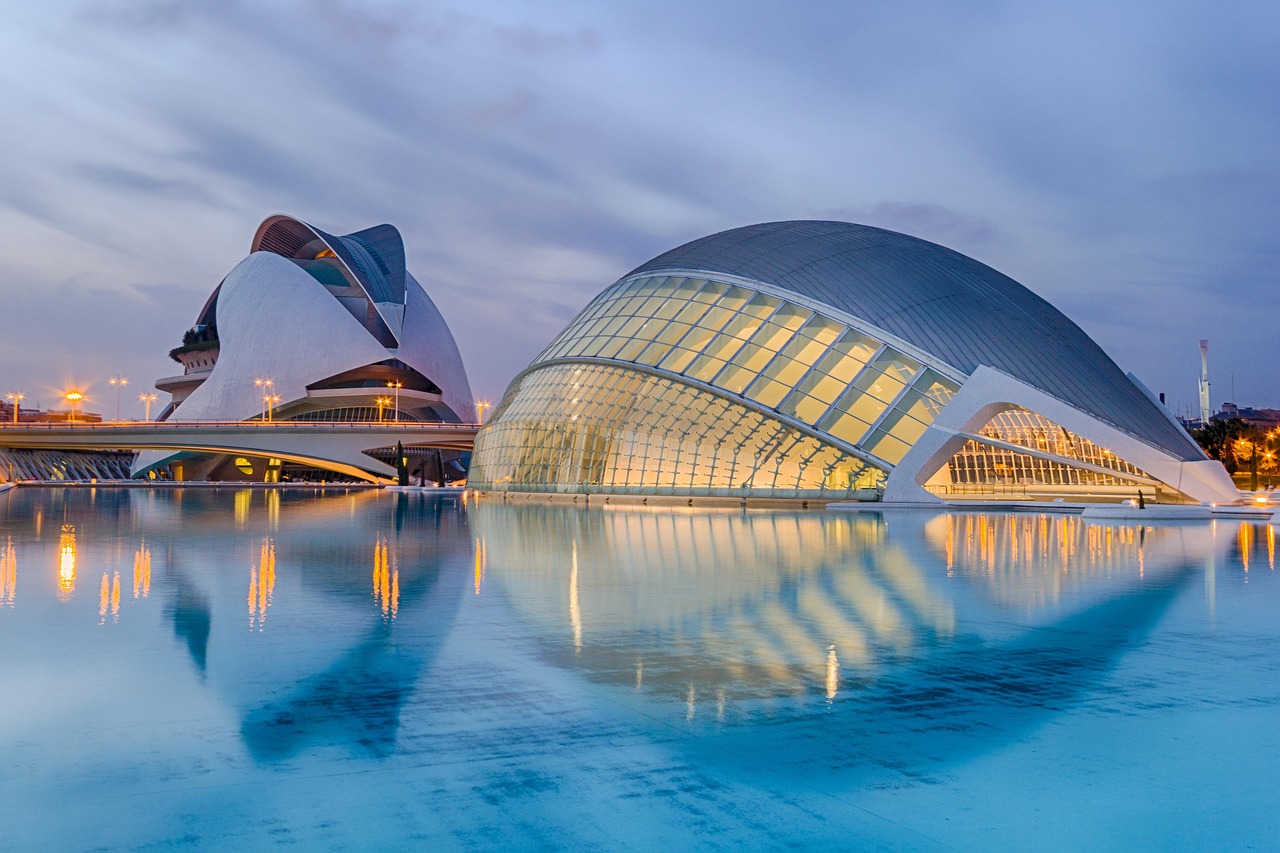
For a stark contrast to the Old Town, head to the City of Arts and Sciences. This futuristic complex features striking white concrete structures that look like they belong in a sci-fi movie. The Hemisfèric cinema, the L’Umbracle garden, and the Oceanogràfic aquarium are all located here. It is one of the most photographed spots in the city, offering endless photo opportunities against the backdrop of modern engineering.
Beach Day: Playa de la Malvarrosa
Valencia is a coastal city, and Playa de la Malvarrosa is its crown jewel. Stretching for several kilometers, this sandy beach is lined with palm trees and offers clear Mediterranean waters. It is perfect for swimming, sunbathing, or renting a paddleboard. The beach is well-maintained, with designated areas for swimming and kitesurfing, making it safe for families and water sports enthusiasts alike. Don’t forget to try a paella at a seaside chiringuito for the full experience.
Cultural Deep Dive: Turia Gardens and MUMAC
The Turia Gardens are a unique urban park built on the bed of a diverted river. This 9-kilometer green corridor runs through the city, connecting different neighborhoods and offering a peaceful escape from the crowds. It is ideal for cycling, walking, or simply sitting by the water. Along the way, you will find the MUMAC (Museum of Contemporary Art of Valencia), which houses an impressive collection of modern art. It is a great stop if you are interested in contemporary expressions and design.
Local Flavors: Mercado Central and Tapas Crawl
No trip to Valencia is complete without exploring its culinary scene. The Mercado Central is one of the largest and oldest covered markets in Europe. Inside, you can find fresh seafood, local cheeses, and vibrant produce. It is the perfect place to sample raw oysters, pan con tomate, and local wines. For a more social experience, join a tapas crawl in the surrounding streets. Try to find a table at a busy local spot, as this is often a sign of quality and authenticity.
Hidden Gems: Rusafa Street Art and Cabanyal
Step away from the main tourist hubs to discover the soul of the city. The Rusafa neighborhood is famous for its vibrant street art. Murals cover nearly every wall, creating an open-air gallery that changes constantly. It is also home to many independent cafes and small shops. Another hidden gem is Cabanyal, a historic fishermen’s district with colorful buildings and a bohemian atmosphere. The Ball de Diabòlics (Dancing Devils) festival here is a unique cultural event not to be missed if your timing aligns.

Family Fun: Oceanographic Park
If you are traveling with children, the Oceanogràfic is a top choice. Located within the City of Arts and Sciences, it is one of the largest aquariums in Europe. You can walk through underwater tunnels surrounded by sharks, rays, and other marine life. There are also dedicated areas for penguins and seals. The park is educational and entertaining, making it a highlight for families. Book tickets online to skip the lines, especially during peak summer months.
Historical Walks: Silk Exchange and Plaza de la Virgen
Valencia’s history is best explored on foot. A walk through the Plaza de la Virgen offers a glimpse into the city’s religious and civic past. The square is dominated by the Cathedral and the Palacio de la Generalitat. Nearby, the Silk Exchange (La Lonja) invites you to explore its intricate details. This area is compact, allowing you to cover several key historical sites in a short amount of time without rushing.
Sunset Views: Torres de Serranos
As the day winds down, head to the Torres de Serranos. These twin towers were once part of the city’s defensive walls. Today, they offer a fantastic vantage point for watching the sunset. The light hitting the adjacent Palacio de la Generalitat creates a stunning visual effect. It is a quiet, less crowded spot compared to other viewpoints, making it perfect for a romantic evening or a reflective moment.
Nightlife: El Carmen District
When the sun sets, El Carmen comes alive. This neighborhood is packed with narrow streets filled with bars, clubs, and live music venues. It is the beating heart of Valencia’s nightlife. You can find everything from intimate wine bars to high-energy dance clubs. The atmosphere is lively and welcoming, with locals and tourists mingling in equal measure. Dress comfortably, as you will likely be on your feet for hours.

Shopping: Calle Colón and Plaza de la Reina
For retail therapy, Calle Colón is the main shopping street in Valencia. It is lined with high-end fashion boutiques, department stores, and souvenir shops. If you prefer a more local feel, head to Plaza de la Reina and the surrounding side streets. Here, you can find artisan shops selling Valencian ceramics, leather goods, and traditional food products. It is a great place to pick up gifts for friends and family back home.
Wellness: Spa and Relaxation Spots
Valencia is also a hub for wellness. Many hotels and standalone spas offer treatments inspired by Mediterranean herbs and oils. Look for places that offer hammam experiences or aromatherapy massages. Alternatively, you can find peace in the quiet corners of the Turia Gardens or by the sea. A slow morning with a coffee and a book at a beachside cafe is a popular way for locals to start their day.
Day Trip: Gandia or Xàtiva
If you have an extra day, consider a short trip to nearby towns. Gandia is known for its beautiful beaches and historic castle, making it a great destination for a beach lover. Xàtiva, on the other hand, offers a glimpse into medieval Spain with its imposing Castell de Xàtiva. Both towns are easily accessible by train from Valencia, allowing for a quick escape from the city buzz.
Indoor Alternatives for Rainy Days
While Valencia enjoys plenty of sunshine, rain is possible, especially in early spring and autumn. On these days, the Valencia Museum (Museu de Belles Arts) is a top recommendation. It houses one of the finest collections of European art in Spain. The Science Museum (Museu de les Ciències) is also an excellent option, offering interactive exhibits suitable for all ages. These indoor activities ensure your trip remains enjoyable regardless of the weather.
How to Plan Your Valencia Spain Trip: Logistics & Tips
Understanding the practical side of your visit can save you time and money. Here are some essential tips to help you navigate the city smoothly and enjoy your stay to the fullest.
Best Time to Visit and Weather Tips
The best time to visit Valencia is from April to June and September to October. During these months, the weather is warm but not overly hot, and the crowds are slightly smaller than in peak summer. July and August are very hot and can be crowded due to the Fallas festival aftermath and beach season. Winter is mild, but some outdoor activities may be less appealing. Check the local forecast before packing to ensure you have the right clothing.
Getting Around: Metro, Bus, and Walking Distances
Valencia is very walkable, especially the Old Town and central areas. For longer distances, the metro system is efficient and affordable. It connects the city center with the beach and the airport. Buses also cover most of the city and are a good alternative for shorter trips. Consider purchasing a multi-day travel pass if you plan to use public transport frequently. Taxis and ride-sharing apps are also widely available for convenience.
Where to Stay: Neighborhoods Guide
Your choice of neighborhood will influence your daily experience. El Carmen is ideal for those who want to be in the heart of the action, with easy access to nightlife and historic sites. Ciutat Vella offers a more traditional city center feel, close to the main landmarks. The Beach area is perfect if you want to wake up to the sound of the waves, though it is quieter at night. For a quieter, more residential vibe, consider Ruzafa or El Pla del Real.
Budget Breakdown: Costs for Food and Transport
Valencia is generally more affordable than other major Spanish cities like Madrid or Barcelona. A meal at a local tapas bar can cost between 5 and 10 euros, while a sit-down dinner might range from 20 to 40 euros per person. Public transport fares are low, with a single metro ticket costing around 1.50 euros. Accommodation varies widely, with hostels starting at 25 euros per night and mid-range hotels ranging from 80 to 150 euros. Always check current prices, as they can fluctuate based on season and demand.
Safety, Etiquette, and Local Customs
Valencia is a safe city for tourists, with low crime rates. However, as with any major city, be aware of your belongings in crowded areas. Tipping is not mandatory in Spain, but leaving a small amount (5-10%) for good service is appreciated. Learning a few basic Spanish phrases will go a long way in showing respect for the local culture. Spaniards have a relaxed approach to time, so don’t expect restaurants to open until 2:00 PM or dinner to start before 9:00 PM.
Frequently Asked Questions About Visiting Valencia Spain
Here are answers to some common questions travelers have about visiting this beautiful Spanish city.
- Is Valencia Spain worth visiting? Yes, absolutely. It offers a unique mix of culture, food, and beach relaxation that few other cities can match. It is less touristic than its neighbors, offering a more authentic experience.
- How many days do you need in Valencia? Three to four days is the ideal amount of time to see the main attractions and explore the neighborhoods. If you plan to take day trips, consider extending your stay to five days.
- What is the best place to stay in Valencia? It depends on your preferences. El Carmen is great for nightlife and history, while the beach area is perfect for relaxation. Ciutat Vella offers a central location for sightseeing.
- Do I need to speak Spanish in Valencia? English is widely spoken in tourist areas, but learning a few basic Spanish phrases will enhance your experience and help you connect with locals.
Valencia is a city that rewards explorers. Whether you are drawn to its futuristic architecture, historic squares, or sandy beaches, there is something for everyone. Use this guide to plan your itinerary and get ready to discover why so many travelers fall in love with this corner of Spain. For more inspiration on your Spanish adventures, check out our other guides on European travel and specific destinations like Ronda or Mallorca. Safe travels!