
Top Things To Do in Granada, Spain: The Essentials
When planning your granada spain travel itinerary, the city offers a unique blend of Islamic, Christian, and Jewish heritage that is unmatched in Europe. This guide covers the must-see attractions, practical booking strategies, and cultural experiences that make this Andalusian gem so special. Whether you are visiting for a short weekend or an extended stay, understanding the logistics will help you make the most of your time.
Booking Alhambra Tickets: Timing and Strategy
The Alhambra is the crown jewel of Granada Spain travel, and accessing it requires careful planning. Tickets are in extremely high demand and often sell out weeks or even months in advance, especially during the summer months. You should book as soon as your dates are confirmed.
There are two main ticket categories: the General Admission ticket, which includes the Nasrid Palaces, the Generalife gardens, and the Alcazaba fortress, and the Nasrid Palaces only ticket. The Nasrid Palaces are the most popular and restrictive part of the site. If you cannot secure a General Admission ticket, the Nasrid-only option is a viable alternative, though it offers a more limited experience.
- Book early: Aim to reserve tickets at least one to two months in advance.
- Time slots: Early morning entries are often less crowded and offer better lighting for photography.
- Official source: Always purchase tickets from the official Alhambra website to avoid scams.

Exploring the Albaicín and Sacromonte Neighborhoods
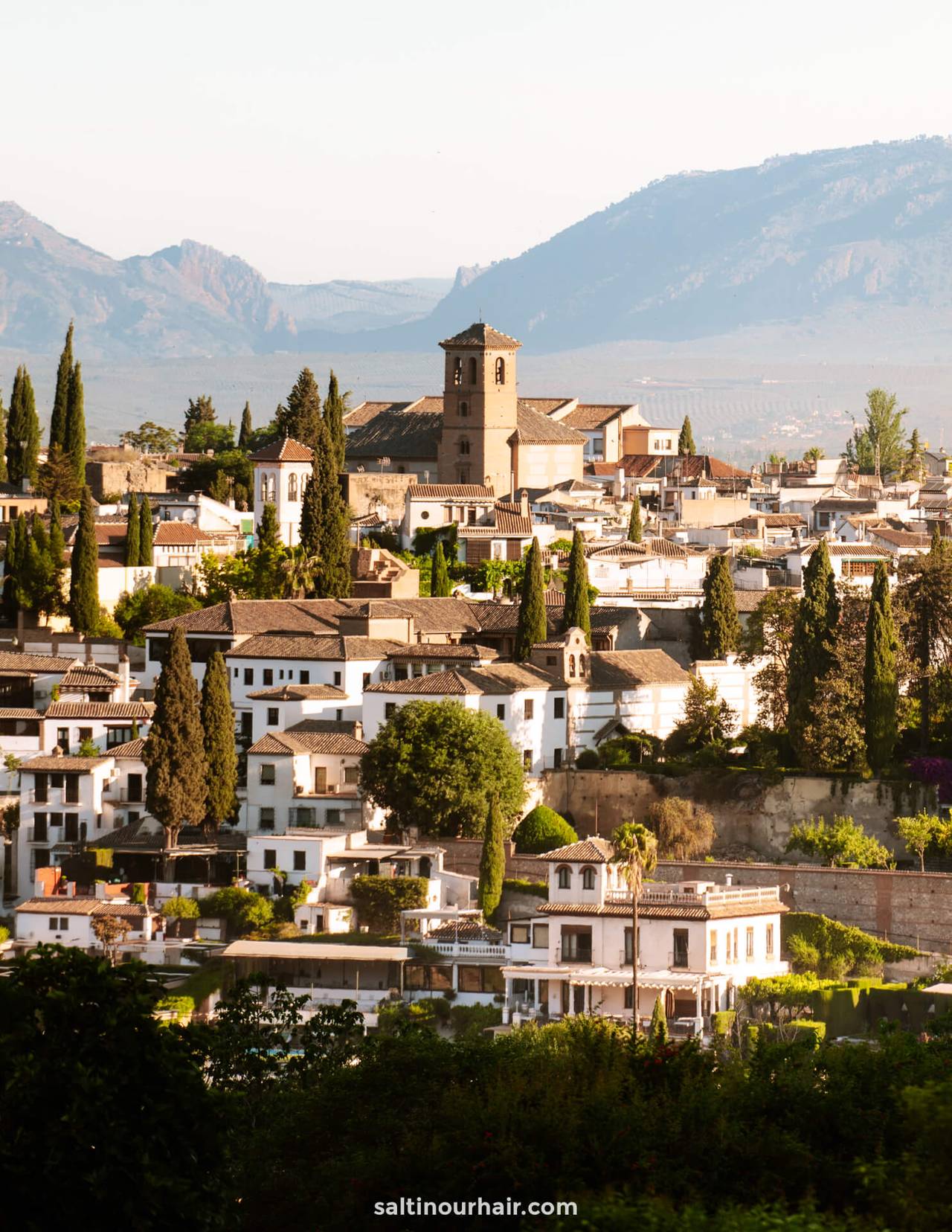
Just across the river from the Alhambra lies the Albaicín, a UNESCO World Heritage site that offers a glimpse into Granada’s Moorish past. This neighborhood is characterized by narrow, winding streets, whitewashed buildings, and hidden patios. It is the perfect place to wander without a strict agenda. Stop at the Mirador de San Nicolás for one of the most iconic views of the Alhambra, especially at sunset.
Adjacent to Albaicín is Sacromonte, known for its cave dwellings. Historically, the Gypsy community lived in these caves, and many have been preserved or converted into small museums and performance spaces. Walking through these areas allows you to experience the authentic atmosphere of visiting Granada Spain beyond the main tourist hubs.
Visiting the Granada Cathedral and Royal Chapel
The Granada Cathedral is a masterpiece of Spanish Renaissance architecture. It was built to symbolize the Christian victory over the Moors, resulting in a unique style that blends Gothic and Renaissance elements. The Royal Chapel, located nearby, houses the tombs of King Ferdinand and Queen Isabella, as well as Christopher Columbus.
These sites are generally less crowded than the Alhambra, making them easier to visit without extensive pre-booking. However, they do have specific opening hours and closed days, so it is wise to check the current schedules before you go. The architecture here provides a stark yet fascinating contrast to the Islamic sites in the city, illustrating the complex history of travel to Granada spain.
Experiencing Flamenco and Nightlife in Granada, Spain
Granada is the heart of Andalusian culture, and flamenco is its soul. Understanding this art form is essential for any traveler seeking a deep connection with the local heritage.
Where to Watch Authentic Flamenco Shows
Flamenco is not just a dance; it is an intense emotional expression involving singing (cante), guitar playing (toque), and dancing (baile). In Granada, you can find authentic performances in small, intimate venues called peñas or traditional taverns. These are often run by local families and feature artists who are deeply rooted in the tradition.
Look for venues that do not require you to book far in advance, as this often indicates a more casual, community-oriented atmosphere. While some tourist-oriented shows exist, the best experiences are usually found in smaller, less advertised locations. This is a key part of any granada spain vacation that focuses on culture rather than just sightseeing.

Best Bars and Clubs for Evening Entertainment
After a day of sightseeing, the city comes alive in the evening. The streets around Plaza Nueva and Calle Recogidas are bustling with bars and tapas spots. Tapas culture is central to dining in Granada; in many traditional bars, ordering a drink comes with a complimentary tapa.
For a more energetic atmosphere, the streets near the university area offer a mix of student bars and local hangouts. While Granada is not a clubbing city in the same way as larger metropolitan areas, there are several venues that host live music and dance performances. Be mindful of local customs; the evening starts late, with dinner often beginning after 9 PM. This late-night social rhythm is a distinctive feature of traveling to Granada spain.
Day Trips From Granada, Spain
While Granada is a destination in its own right, its location makes it an ideal base for exploring the surrounding Andalusian countryside.
Visiting Ronda, Spain: A White Village Adventure
One of the most popular day trips is to Ronda, a stunning white village perched on the edge of a deep gorge. The Puente Nuevo, or New Bridge, spans the El Tajo gorge and offers breathtaking views. Ronda is famous for its bullfighting tradition, and you can visit the Plaza de Toros, one of the oldest in Spain.
The journey from Granada to Ronda takes approximately two hours by car or bus. It is a scenic drive that passes through the Sierras de Cazorla and Segura. Ronda offers a different pace of life, with fewer crowds and a strong focus on local handicrafts and gastronomy. This trip adds significant depth to your Granada Spain travel plans by showcasing the beauty of the Andalusian interior.
Exploring the Alpujarras Mountains
For those interested in nature and hiking, the Alpujarras region is a must-visit. This mountainous area is known for its dramatic landscapes, traditional villages, and rich agricultural heritage. Villages like Bubnita and Pampaneira are famous for their terraced gardens and watermills.
The Alpujarras offer a stark contrast to the urban environment of Granada. You can take guided hiking tours or rent a car to explore at your own pace. The climate is cooler in the mountains, making it a refreshing escape during the hot summer months. Exploring these natural wonders is a rewarding aspect of visiting Granada Spain that appeals to outdoor enthusiasts.

Insider Tips and Hidden Gems for Your Granada, Spain Trip
To truly appreciate Granada, you need to look beyond the main attractions.
Off-the-Beaten-Path Cafes and Local Markets
Start your day at a local market, such as the Atarazanas Market, where you can find fresh produce, spices, and local cheeses. This is a great place to sample regional flavors and interact with locals. For coffee, seek out small, family-run cafes in the Albaicín district. These spots often have a relaxed atmosphere and serve excellent pastries, providing a break from the tourist-heavy areas.
Another hidden gem is the Sacromonte caves, which are not just for flamenco but also for quiet contemplation and photography. The unique acoustics and lighting of the caves create a magical environment. Discovering these quieter corners is essential for a balanced granada spain vacation.
Accessibility and Mobility Considerations for Key Sites
When planning your trip, consider the physical demands of the sites you intend to visit. The Albaicín neighborhood features cobblestone streets and steep inclines, which can be challenging for those with mobility issues. The Alhambra is a large complex, and while it is generally accessible, the terrain is uneven. It is advisable to wear comfortable footwear and to pace yourself.
If you require wheelchair access, check with individual sites in advance, as accessibility varies. Some areas of the Alhambra have ramps and lifts, but not all. Planning for accessibility needs ensures that your travel to Granada spain is enjoyable and stress-free.
Logistics: Accommodation, Budget, and Best Time to Visit
Practical details are crucial for a smooth trip.
Where to Stay in Granada, Spain
The city center, around Plaza Nueva, is convenient for tourists due to its proximity to major attractions and dining options. However, for a more authentic experience, consider staying in the Albaicín. Hotels and guesthouses here are often smaller and offer a more intimate atmosphere.
Budget travelers will find hostels and budget hotels in the Sacromonte area, while luxury seekers can opt for boutique hotels in the historic center. Regardless of where you stay, be sure to book in advance, especially during peak travel seasons. Choosing the right location is a key part of your Granada Spain travel strategy.
Average Costs and Budget Planning
Granada is generally more affordable than major cities like Madrid or Barcelona. However, prices can vary significantly depending on the type of accommodation and dining establishments. A mid-range traveler can expect to spend a moderate amount on food and local transport, while luxury options will naturally cost more.
It is wise to budget for entrance fees to major sites like the Alhambra, as these can add up. Eating at local tapas bars is a cost-effective way to enjoy the local cuisine. By planning your budget carefully, you can ensure that your visiting Granada Spain experience is both affordable and enriching.
Seasonal Weather and Crowds
The best time to visit Granada is during the spring (April to June) and autumn (September to October). During these months, the weather is pleasant, and the crowds are manageable. Summer can be extremely hot, with temperatures often exceeding 30°C, while winter is mild but can be rainy.
Spring offers the added bonus of blooming flowers in the Generalife gardens, making it a particularly beautiful time to visit. Autumn provides a cooler climate and fewer tourists, ideal for a more relaxed granada spain vacation. Understanding the seasonal patterns helps you plan your trip effectively.

Frequently Asked Questions About Granada, Spain Travel
How many days do I need for Granada?
Two to three days are sufficient to see the main attractions, including the Alhambra, Cathedral, and Albaicín. If you plan to take day trips to Ronda or the Alpujarras, consider extending your stay to four or five days.
Is English widely spoken in Granada?
Yes, English is widely spoken in tourist areas, hotels, and restaurants. However, learning a few basic Spanish phrases can enhance your interactions with locals and show respect for the culture.
What is the best way to get around Granada?
Granada is a compact city, and most attractions are within walking distance. For longer distances or day trips, you can use local buses or rent a car. Taxis are also available but can be expensive for short distances.
Are there any specific foods I should try in Granada?
Yes, be sure to try local specialties such as salmorejo (a cold tomato soup), flamenco (a type of stew), and Granada oranges. The city is also known for its excellent wine and tapas.
By following this guide, you will be well-prepared for a memorable and enriching trip to this historic city.