
Top 7 Iconic Landmarks to Include in Your Seville Itinerary
When planning your trip, the list of things to do in seville is long, but a few landmarks stand out as absolute must-sees. These sites define the city’s soul and offer a mix of history, architecture, and stunning views. Whether you have a full week or just a day, these locations should anchor your itinerary.
Alcazar de Seville: Accessibility and Ticket Tips
The Royal Alcázar is a masterpiece of Mudéjar architecture and one of the oldest royal palaces still in use in Europe. Its lush gardens and intricate tilework offer a serene escape from the bustling streets. To avoid long queues, it is highly recommended to book tickets online in advance, especially during peak tourist seasons. If you have mobility limitations, note that while the main areas are accessible, some garden paths may be uneven. Check the official website for current accessibility details before you arrive.
Seville Cathedral and Giralda: Best Times to Visit
Adjacent to the Alcázar, the Cathedral of Seville is the largest Gothic cathedral in the world. The Giralda, its bell tower, offers panoramic views of the city roofscapes. The climb to the top is a gentle slope rather than stairs, making it accessible to many visitors. To avoid the heat and crowds, aim to visit in the early morning or late afternoon. The interior is grand, but the real highlight for many is the view from the Giralda terrace.
Plaza de España and Maria Luisa Park
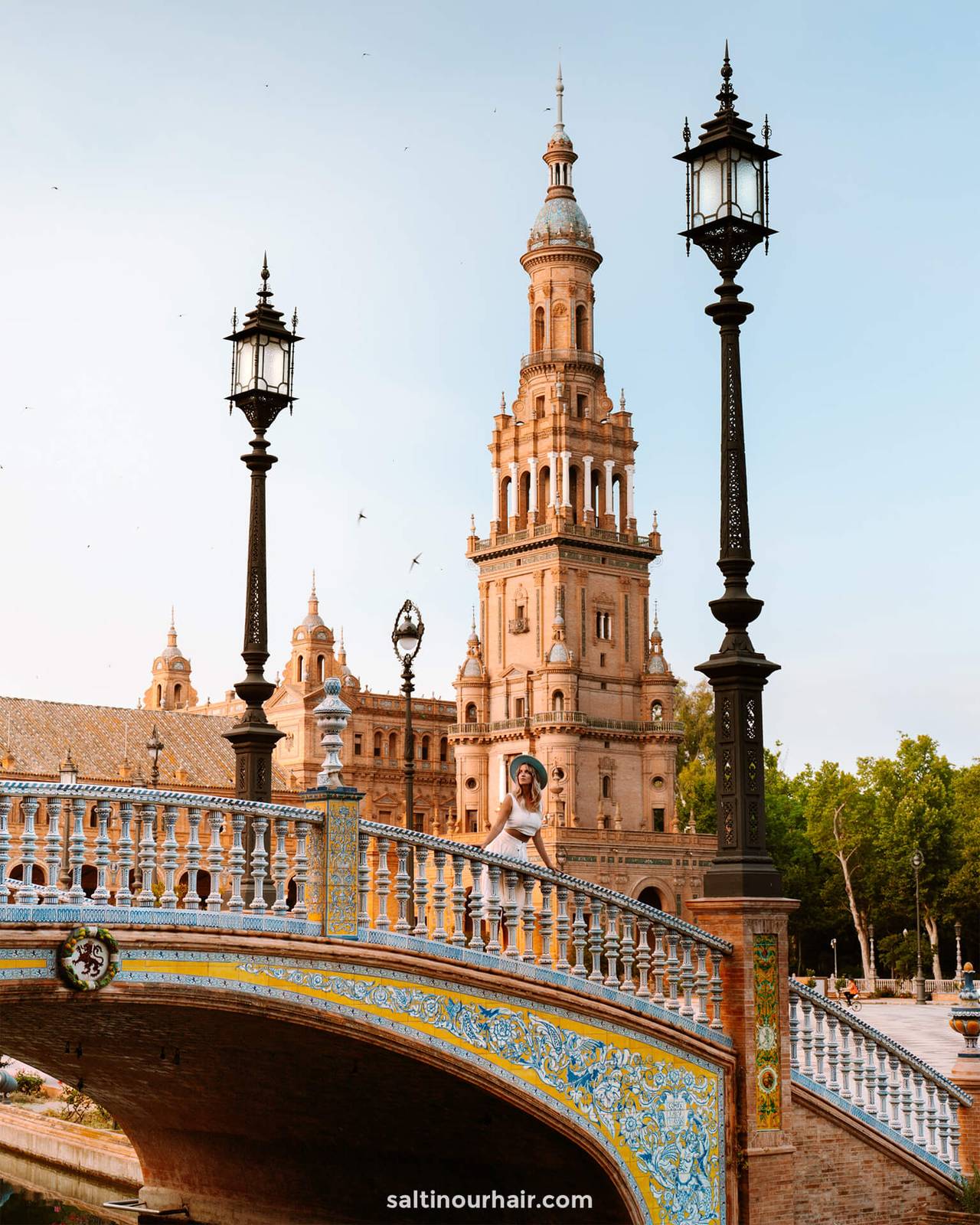
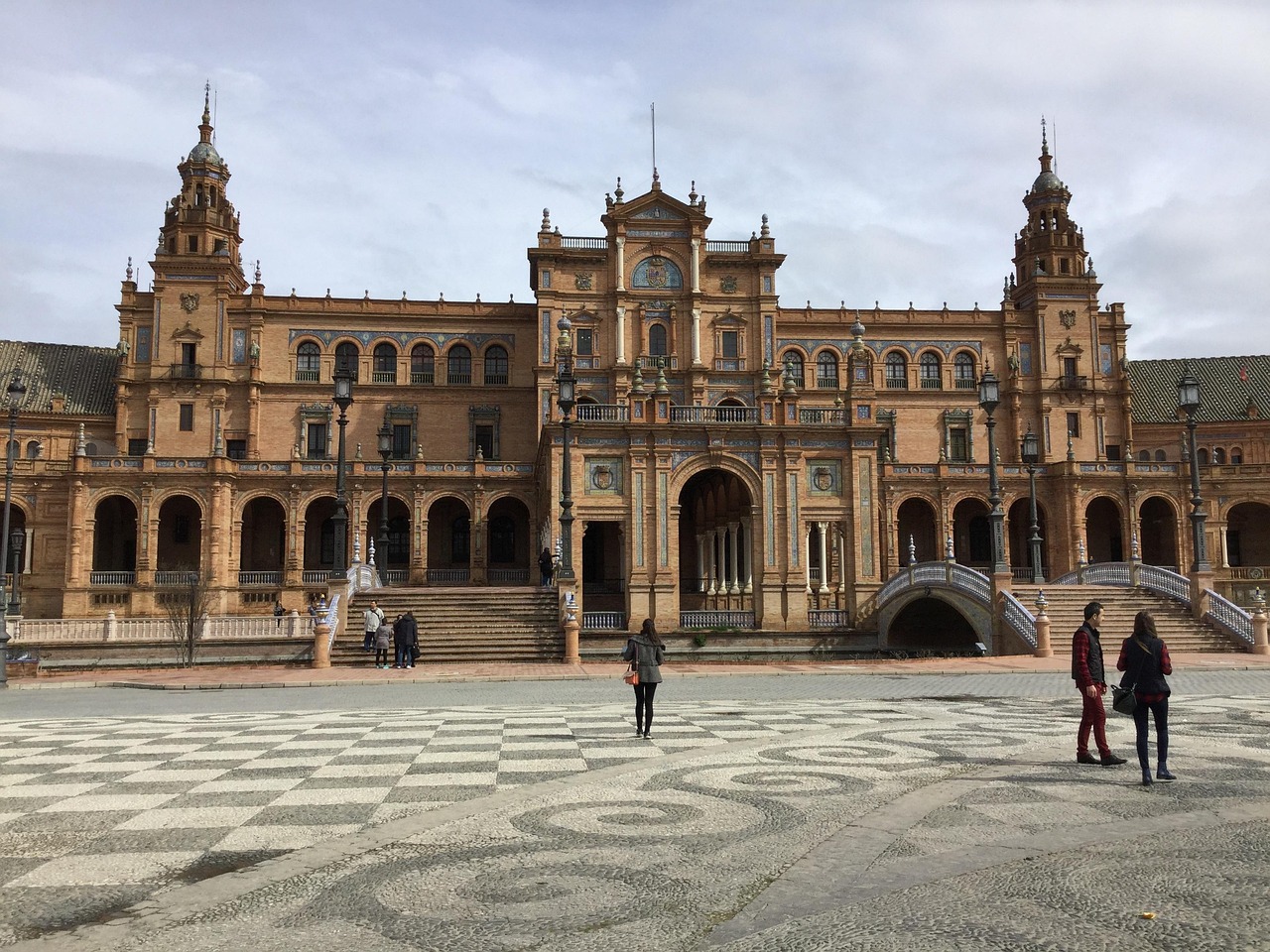
Located within the expansive Maria Luisa Park, the Plaza de España is a stunning semi-circular square built for the 1929 Ibero-American Exposition. Its vibrant blue and green ceramic tiles, ornate bridges, and towering arcades make it a photographer’s dream. Renting a small rowboat on the central canal is a popular activity that adds a unique perspective to your visit. The surrounding park is perfect for a leisurely walk or a picnic, offering a calm contrast to the city center.

Immersive Cultural Experiences and Neighborhoods
Seville is not just about monuments; it is about the atmosphere. Walking through its historic districts and experiencing local arts provides a deeper connection to the city. These cultural experiences are often more memorable than the big sights alone.
Triana District: Where to Eat and Shop
Cross the Triana Bridge to explore the district on the other side of the Guadalquivir River. Triana is known for its artisan ceramics, flamenco roots, and family-run restaurants. It feels less touristy than the center, making it a great place to find authentic local flavors and handmade souvenirs. Look for small workshops selling traditional Seville pottery, which makes for a unique and meaningful gift.
Santa Cruz: Getting Lost in the Old Town
Santa Cruz is the Jewish quarter and the heart of old Seville. Its narrow, winding streets are lined with orange trees, hidden patios, and quaint plazas. There is no need for a map here; the joy lies in getting slightly lost and discovering hidden courtyards and small bars. Keep an eye out for the typical Sevillean *patio* celebrations in spring, if your timing allows. The area is best explored on foot, so wear comfortable shoes.
Authentic Flamenco Shows: Booking the Best Venues
Flamenco is Spain’s national art form, and Seville is its birthplace. For an authentic experience, avoid large, commercial theaters and seek out smaller *peñas* (flamenco societies) or intimate bars in Triana or Santa Cruz. These venues often feature local artists and provide a closer, more emotional connection to the performance. Booking in advance is wise, as popular spots fill up quickly. Look for venues that offer both music and dance, as the interplay between the two is the essence of the art.
Outdoor Activities and Day Trips from Seville
If you want to break away from the historic center, Seville offers beautiful outdoor options and easy access to nearby natural beauty. These activities provide a refreshing change of pace and allow you to see a different side of the region.
Paddle Boarding on the Guadalquivir River
The Guadalquivir River runs through the heart of the city, and paddle boarding is a growing way to enjoy it. Several local operators offer guided tours or rental packages that take you past the city’s bridges and historic dockyards. It is a calm, low-impact activity suitable for most fitness levels. Check for morning sessions when the water is calmer and the sun is lower. This is a great option if you are looking for active things to do in seville beyond walking.
How to Reach Pueblos Blancos: Train and Bus Logistics
While technically a day trip, the white villages of the Andalusian countryside are a highlight for many visitors. Towns like Ronda, famous for its dramatic gorge and bridge, are accessible by train or bus. Trains from Seville to Ronda offer scenic views, while buses provide a more direct route to some smaller villages. Plan for a full day to allow for travel time and exploration. If you are considering other southern Spanish destinations, check our guide on things to do in Ronda, Spain for more detailed insights. For a broader look at the region, the Andalusia road trip itinerary can help you plan a multi-day journey.
Seville Food Guide: Essential Dishes and Spots
Food is central to the Seville experience. The cuisine is hearty, flavorful, and deeply rooted in local tradition. Here is what you should taste and where to find it.
Must-Try Dishes: Salmorejo and Espeso
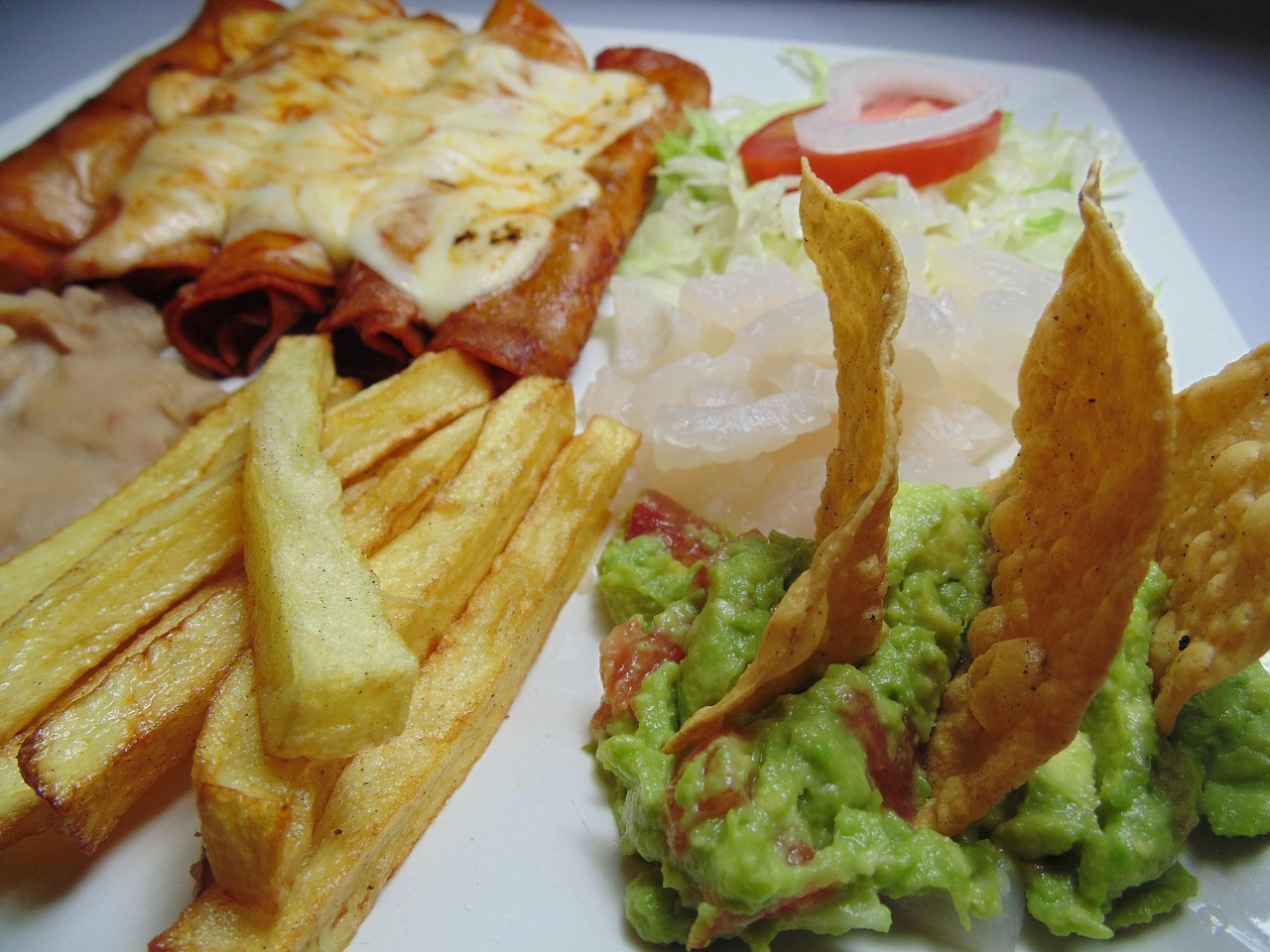
During the warm months, start your meal with a cold soup. Salmorejo is a thick, creamy tomato soup made with bread, garlic, and olive oil, traditionally served with ham and hard-boiled eggs. It is refreshing and filling. Espeso is a similar dish but even thicker, often containing bits of bread for texture. Both are staples of Andalusian cuisine and are best enjoyed at local *bodegones* (traditional eateries) rather than tourist-heavy restaurants. Look for small establishments with chalkboard menus for the most authentic versions.
Best Cafes and Restaurants for Tapas
Tapas culture is alive and well in Seville. In the city center, you will find open-air bars where you can sit on a stool and graze your way through small plates and drinks. Look for *tapas* that are locally inspired, such as *espinacas con garbanzos* (spinach with chickpeas) or *montaditos* (small sandwiches). The neighborhood of Triana is particularly good for affordable, high-quality tapas. Don’t hesitate to move from bar to bar, a practice known as *ir de tapas*, which is a significant part of the social scene.
Practical Logistics: Getting Around and Accommodation
Understanding how to navigate the city and where to stay will make your trip smoother and more enjoyable. Seville is compact in its historic core, but knowing your options helps you save time and money.
Transportation Options in Seville
The best way to see the historic center is on foot. The streets are pedestrian-friendly, and major landmarks are close to each other. For longer distances, Seville has a reliable tram system and bus network. Taxis and ride-sharing apps are also available and relatively affordable. If you plan to visit the outlying areas or day trips, check the current train schedules, as they can vary by season. Cycling is another popular option, with many hotels offering rental bikes for exploring the parks and riverbanks.
Where to Stay in Seville: Neighborhood Breakdown
Your choice of accommodation affects your daily routine. Santa Cruz is the most romantic and central option, perfect for first-time visitors who want to be in the heart of the action. Triana offers a more local vibe and often better value for money, with easy access to the river and transport links. Macarena is another emerging area with a vibrant nightlife and growing number of boutique hotels. For travelers interested in exploring the broader region, our Europe travel guides offer more context on regional travel styles. Choose based on whether you prioritize convenience, atmosphere, or budget.
Frequently Asked Questions About Things to Do in Seville
How many days do I need in Seville?
Three to four days is ideal to see the major landmarks, explore the neighborhoods, and enjoy the food scene without rushing. If you plan to take day trips to places like Ronda or Córdoba, consider adding an extra day.
Is Seville walkable?
Yes, the historic center is very walkable. However, the heat can be intense in summer, so plan your walking tours for the morning or evening. The city is flat, which makes it easy to navigate on foot.
What is the best time to visit Seville?
Spring (April to May) and autumn (September to October) are the best times to visit, thanks to mild weather. Summer is extremely hot, while winter is cool and rainy, though fewer crowds are a plus.
Do I need to book tickets in advance?
For popular sites like the Alcazar and the Cathedral, especially during peak season, booking in advance is highly recommended to skip the lines and guarantee entry.