
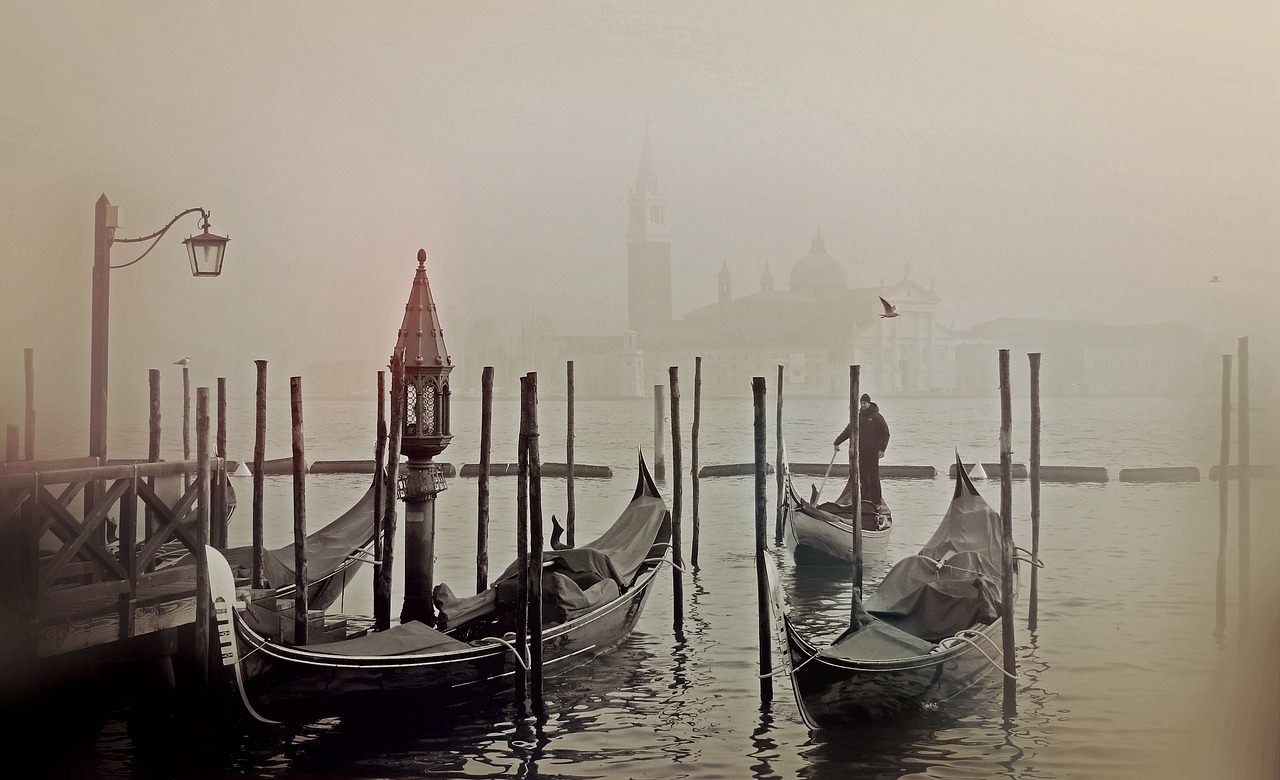
Planning a trip to the floating city? You are in for a treat. The things to do in Venice are endless, but narrowing down the best spots can feel overwhelming when you have limited time. I’ve structured this guide to help you navigate the canals, bridges, and hidden corners without the stress. Whether you have a weekend or a week, these recommendations will shape your visit. Let’s get you ready for your Venetian adventure.
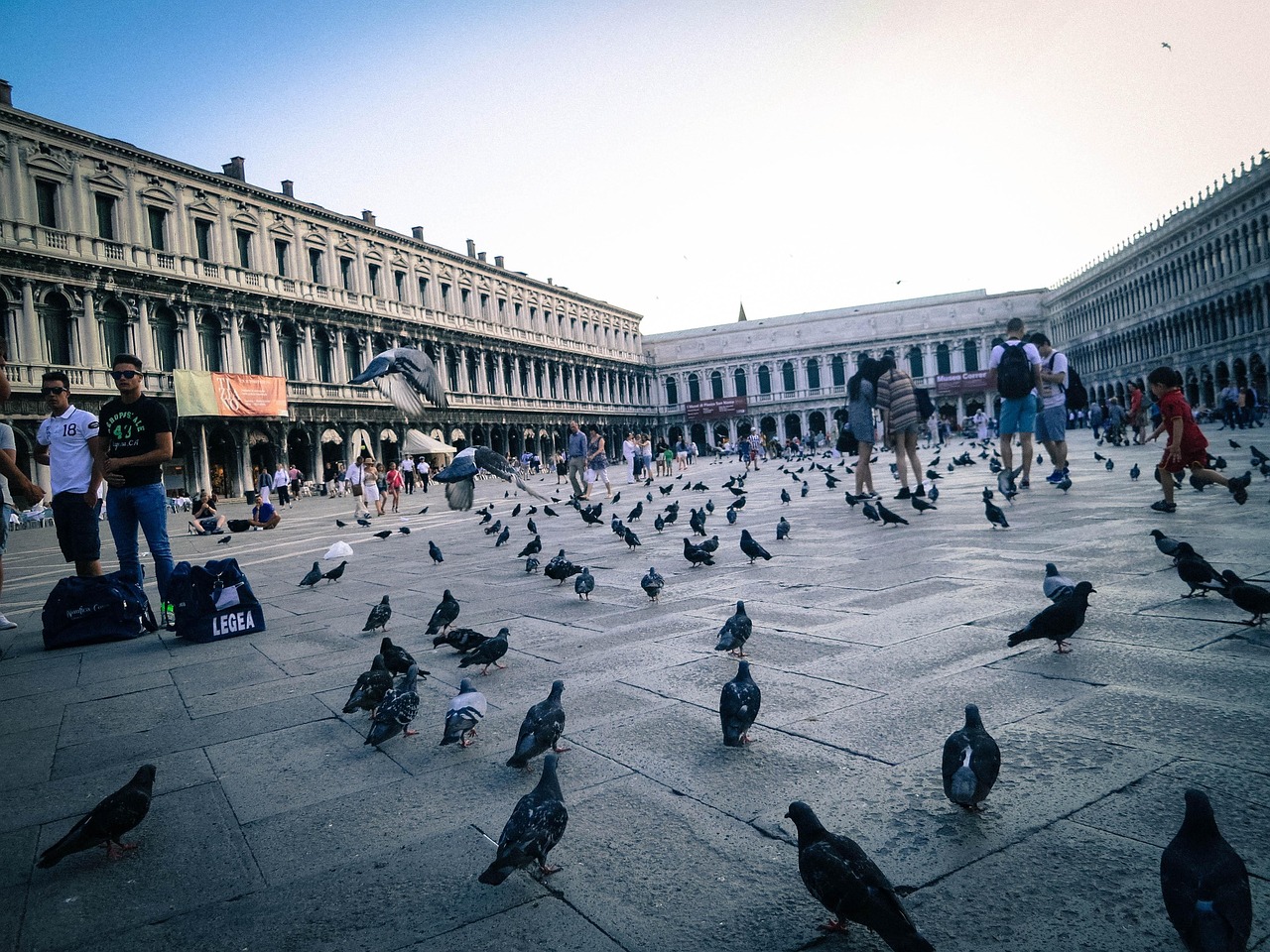
Things to do in Venice: A 3‑Day Itinerary Overview
Three days is the sweet spot for a first visit. It gives you enough time to see the iconic landmarks without burning out. Here is how I would structure your stay to balance the crowds with quiet moments. When planning the things to do in Venice, prioritize a mix of high-energy sightseeing and low-key relaxation.
Day 1 – Classic Highlights
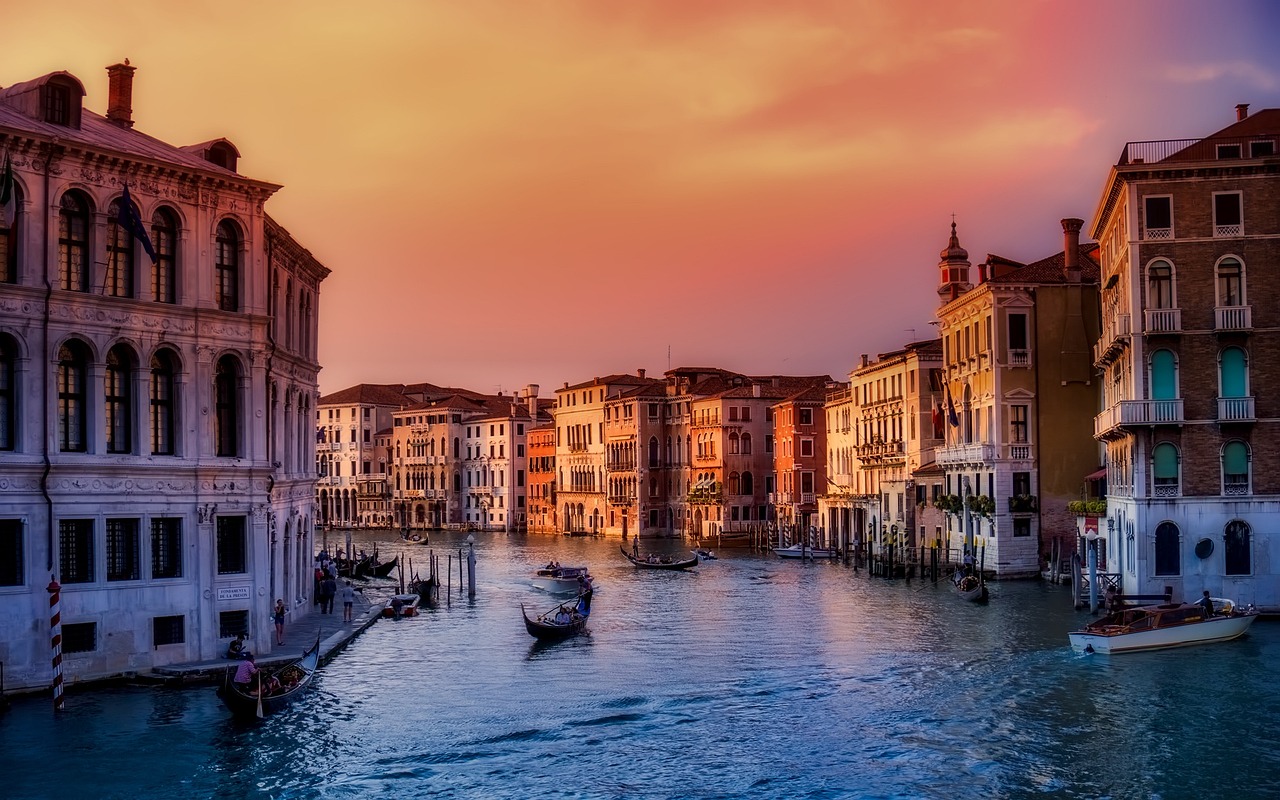
Start strong. Begin your first morning at St. Mark’s Square to see the light hit the basilica before the tour buses arrive. Spend the morning exploring the Doge’s Palace and crossing the Bridge of Sighs. By lunch, head to the Rialto Bridge. Afternoon is best for a vaporetto ride along the Grand Canal to admire the palazzos from the water. End the day with a relaxed dinner in the Dorsoduro district, away from the main square chaos. This first day covers the core things to do in Venice for most visitors.
Day 2 – Hidden Gems & Cultural Experiences
Day two is for depth. Start with the Gallerie dell’Accademia to appreciate Venetian art like Titian and Tintoretto. Then, take a walking tour of the quieter sestieri (districts) like Cannaregio. Look for the spiral staircase of the Contarini del Bovolo house. In the afternoon, visit the Fondaco dei Tedeschi for a view of the city’s skyline. This day is about slowing down and noticing the details: the carvings on balconies, the sound of bells, the texture of the stone. These cultural stops are essential things to do in Venice if you want to understand the city’s soul.
Day 3 – Relaxed & Offbeat Adventures
Use your final day for relaxation. Take a slow boat to the island of Burano for its colorful houses and lace-making tradition. Alternatively, spend the morning in Giudecca, a quieter island with stunning views of the main city. Return by late afternoon for a final passeggiata along the water. This itinerary balances the “must-sees” with the experiences that truly make Venice feel unique. These offbeat options are perfect things to do in Venice to end your trip on a high note.
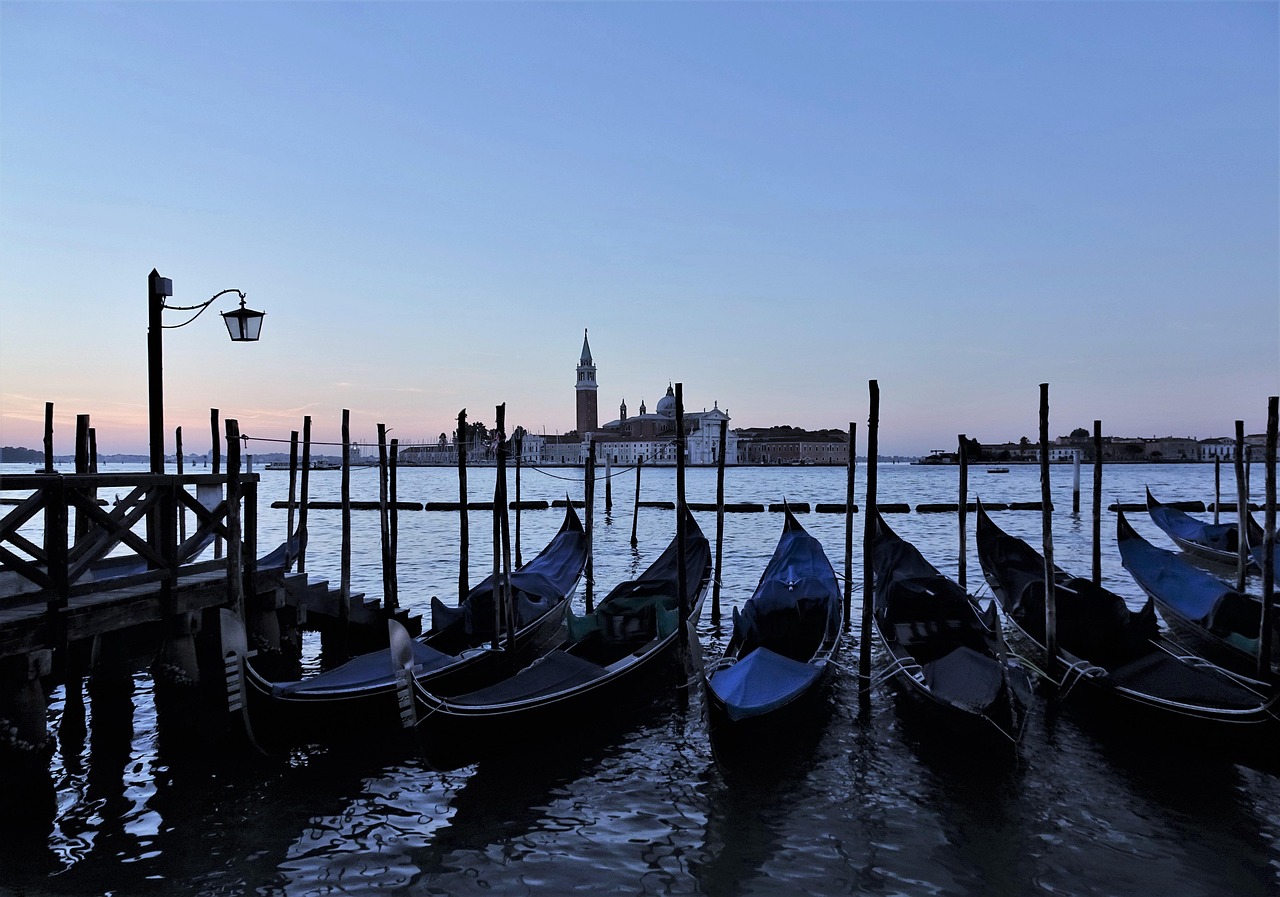
Things to do in Venice: Must‑See Attractions
You cannot skip these core attractions if you want a comprehensive experience. They are the heart of the city’s identity and history. These landmarks are the top things to do in Venice for any traveler.
St. Mark’s Basilica & Square
St. Mark’s Basilica is a masterpiece of Byzantine architecture. The golden mosaics inside are dazzling, and the exterior is a fusion of styles that tells centuries of trade and power. The square itself, or Piazza San Marco, is the social living room of the city. Go early in the morning to see the space before it fills with crowds. The view of the lagoon from the square is iconic for a reason. Don’t just rush through; sit on a bench, people-watch, and let the atmosphere wash over you. Visiting the basilica is a non-negotiable item on the list of things to do in Venice.
Doge’s Palace & Bridge of Sighs
Just next to the basilica, the Doge’s Palace was the heart of Venetian government. The interior is opulent, with intricate frescoes and the famous Lion of St. Mark. The Bridge of Sighs connects the palace to the prison, offering a view of the lagoon that is both beautiful and melancholic. Many travelers think the bridge is on the outside, but you actually see the outside view from the canals. Inside, the rooms reveal the darker side of the Republic, including the Room of the Four Counselors. It’s a fascinating contrast to the grandeur outside. Exploring this palace is one of the most significant things to do in Venice for history buffs.
Rialto Market & Bridge
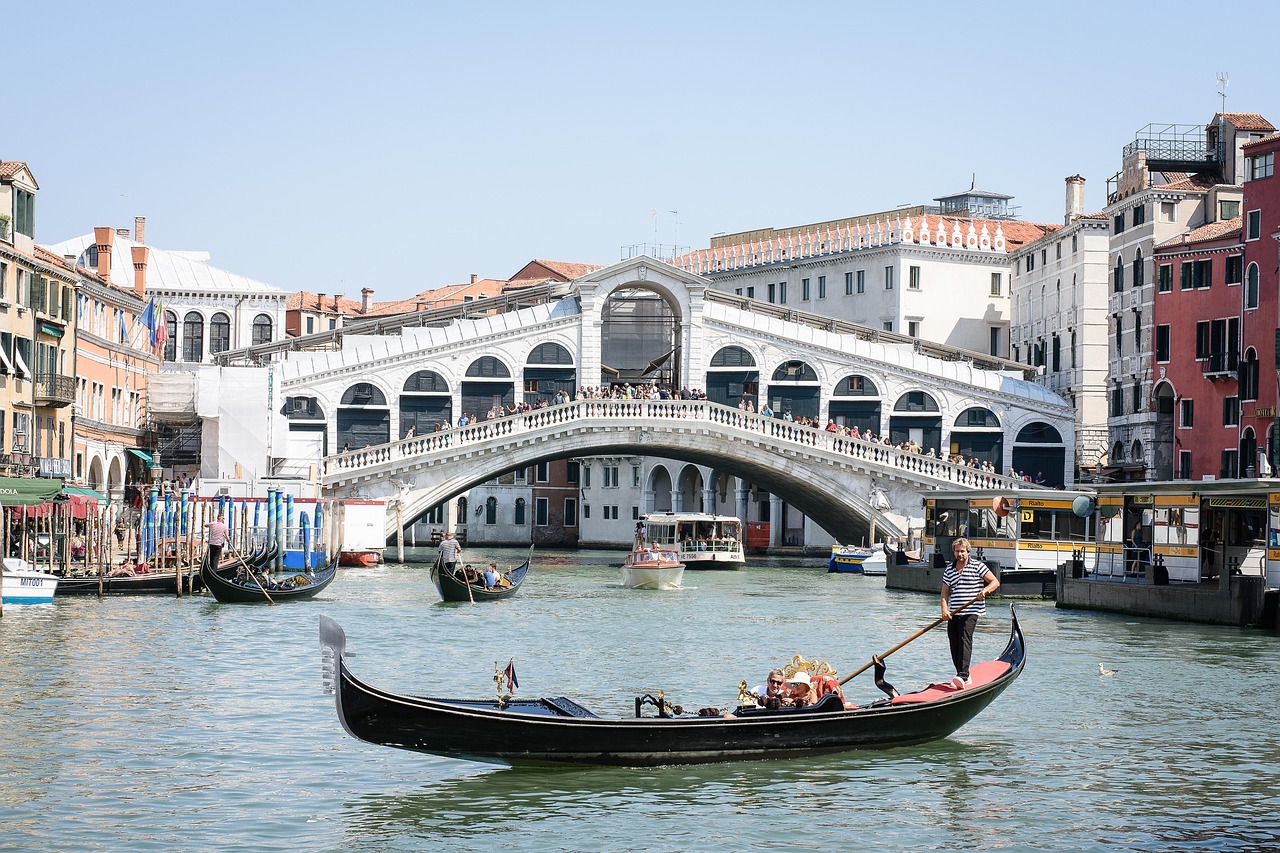
The Rialto Bridge is the oldest and most famous bridge in Venice. It’s a busy spot, but the view of the Grand Canal is worth the effort. Beneath the old market hall, you’ll find the Rialto Market. While it has become more touristy, you can still see fresh fish, produce, and local specialties. The energy here is different from the square; it’s raw and commercial. I recommend visiting in the late morning when the market is fully active but before the midday heat. Crossing the Rialto is a classic thing to do in Venice that offers great photo opportunities.
Things to do in Venice: Food & Drink Experiences
Venice is as much a food destination as it is a visual one. The local cuisine is simple but elegant, focusing on seafood and fresh ingredients. Eating in Venice is an experience in itself. Culinary adventures are among the most enjoyable things to do in Venice.
Traditional Bacaro & Cicchetti Bars
Don’t just eat at formal restaurants. Visit a bacaro for cicchetti, which are small, open-faced sandwiches or pastries served as snacks. This is how locals eat through the day. Sit at the counter, order a glass of local wine and a few cicchetti, and watch the city go by. It’s affordable, social, and authentic. Look for bars with long lines of locals; that’s usually your best bet. The vibe is relaxed, and the portions are small so you can try a variety of flavors. Sampling cicchetti is a unique thing to do in Venice that connects you with local culture.
Seafood Restaurants & Fresh Oysters
Venice is surrounded by water, so seafood is king. Try fritto misto, a mix of fried seafood and vegetables, or risotto al nero di seppia, risotto with squid ink. Oysters are a local specialty and are often served raw with lemon. Look for restaurants near the Rialto or in the Dorsoduro district for high-quality seafood. Prices can be higher in tourist-heavy areas, so check the menu before sitting down. The freshness is what matters most here. Dining on fresh seafood is a delicious thing to do in Venice.
Coffee & Gelato Spots
Venice has a unique coffee culture. Locals stand at the bar for a quick espresso, rather than sitting down with a large latte. Try a caffè corretto, an espresso with a shot of grappa. For gelato, look for artisanal shops that use fresh ingredients. Avoid the gelato near major landmarks if it looks artificially bright in color; that’s often a sign of additives. A simple pistachio or stracciatella gelato is perfect for a hot afternoon. Pair it with a walk along the canals for the full experience. Enjoying a gelato is a simple but essential thing to do in Venice.
Things to do in Venice: Practical Travel Tips
Knowing the logistics makes your trip smoother. Navigation in Venice can be tricky, and costs can add up quickly if you’re not prepared. Here is what you need to know before you go. These tips ensure your things to do in Venice run smoothly.
Getting There & Getting Around (airport, vaporetto, walking)
Most visitors arrive at Marco Polo Airport. From there, you can take an Alilaguna water bus, a water taxi, or the ACTV vaporetto to the city center. The Alilaguna is a scenic and affordable option, taking you past the Giudecca Canal. Once in the city, walking is the best way to explore the main islands. The streets are narrow and car-free, which makes it easy to get lost. There are no cars in Venice, so you don’t need to rent one. For getting from the airport to your accommodation, compare airport transfers to Venice options to see what fits your budget and schedule.
Vaporetto Passes & Bridge Tolls
The vaporetto is the public water bus system. It’s essential for crossing the canals and visiting islands like Murano and Burano. You can buy single tickets or day passes. Day passes are often worth it if you plan to use the boats multiple times. Check the ACTV website for current prices, as they change. There are no tolls for walking across the bridges in the city center, but if you go to certain islands or use specific services, fees may apply. Always have a valid ticket on you, as inspectors can be strict.
Accessibility & Crowd Avoidance
Venice can be challenging for those with mobility issues due to cobblestones, stairs, and narrow paths. However, many main attractions are accessible. Check specific accessibility information for each site you plan to visit. To avoid crowds, go early in the morning or late in the evening. The city empties out significantly after 10 PM. Also, consider visiting during the shoulder seasons of spring or fall to avoid the peak summer heat and crowds. If you are visiting during high season, be prepared for long lines and busy streets.
Things to do in Venice: Where to Stay
Where you stay can significantly impact your experience. Venice is expensive, so set a budget early. There are options for every type of traveler, from budget hostels to luxurious palaces. Choosing the right location is a key part of planning your things to do in Venice.
Budget‑Friendly Hotels & Hostels
Hostels in Venice are a great way to meet other travelers and save money. Look for places in the Santa Croce or Dorsoduro districts, which are slightly further from the main square but still central. Dorm beds are affordable, and many hostels offer breakfast. You’ll be close to local bars and restaurants, giving you a more authentic feel. Just be aware that some budget accommodations may have smaller rooms.
Mid‑Range Boutique Hotels
For a balance of comfort and price, mid-range boutique hotels are ideal. These are often located in historic buildings with character. You’ll get private rooms, often with balconies overlooking the canals. Look for hotels in the Cannaregio or San Polo districts. They offer a quieter atmosphere than St. Mark’s area but are still walkable to the main attractions. Compare places to stay in Venice to find the best deals and locations for your dates.
Luxury & Historic Palaces
If you’re splurging, Venice has some of the most beautiful hotels in the world. Many are housed in former noble palaces with frescoes, marble floors, and private courtyards. These hotels offer concierge services, fine dining, and unique experiences. Staying in a luxury palace is a memorable part of the trip in itself. The views from the rooftop or terrace are unparalleled. It’s a splurge, but one that many travelers say is worth it.
Things to do in Venice: FAQs
Here are answers to some common questions travelers have before they go. These answers help clarify the things to do in Venice.
How much does a vaporetto pass cost?
Prices vary depending on the type of pass and the number of days. A single ticket is affordable, but day passes are better value if you use the boats often. Check the official ACTV website for the most up-to-date pricing, as rates can change. It’s worth calculating how many times you plan to ride before deciding which pass to buy.
Best time to visit Venice
The best time to visit is during the shoulder seasons of April, May, September, and October. The weather is mild, and the crowds are smaller. Summer is busy and hot, while winter is quieter but can be cold and rainy. If you want to avoid the peak crowds, aim for the off-season. However, some attractions may have reduced hours in winter.
Is Venice wheelchair accessible?
Venice is not fully wheelchair accessible due to its historic layout. Many streets are cobblestoned, and there are stairs and bridges without ramps. However, the main tourist attractions and museums are generally accessible. Plan your route carefully and check accessibility details for each location. Some areas, like the Rialto and St. Mark’s, are more manageable than others.
Your trip to Venice is ready to be planned. Start by booking your accommodation and checking the vaporetto schedules. Then, use this guide to map out your days. The city is best enjoyed at a slow pace, so leave some time for spontaneous discoveries. You’ll find that the simple moments, like watching the water reflect the lights at dusk, are often the most memorable parts of the trip. Safe travels and enjoy every step of your journey through the city of canals. The things to do in Venice are waiting for you.