
Disclosure: this post contains affiliate links. If you book through them, I may earn a small commission at no extra cost to you.
Ronda is often called the most beautiful town in Spain, and seeing the town perched on the edge of a massive gorge makes that reputation easy to understand. If you are planning a trip to Andalusia, you need a comprehensive list of things to do in ronda spain that balances the iconic sights with the quieter, local side of the city. This guide covers the essential sights, cultural experiences, and practical logistics to help you make the most of your visit. Whether you have a day or a week, these are the experiences that will stay with you.
Top 11 Things to Do in Ronda, Spain: The Essential List
These are the core sights that define the town. Most are located within walking distance of each other, making it easy to cover a lot of ground in a single day. I recommend starting here, as you cannot truly understand the layout or history of Ronda without seeing these landmarks.
1. Walk Across the Puente Nuevo
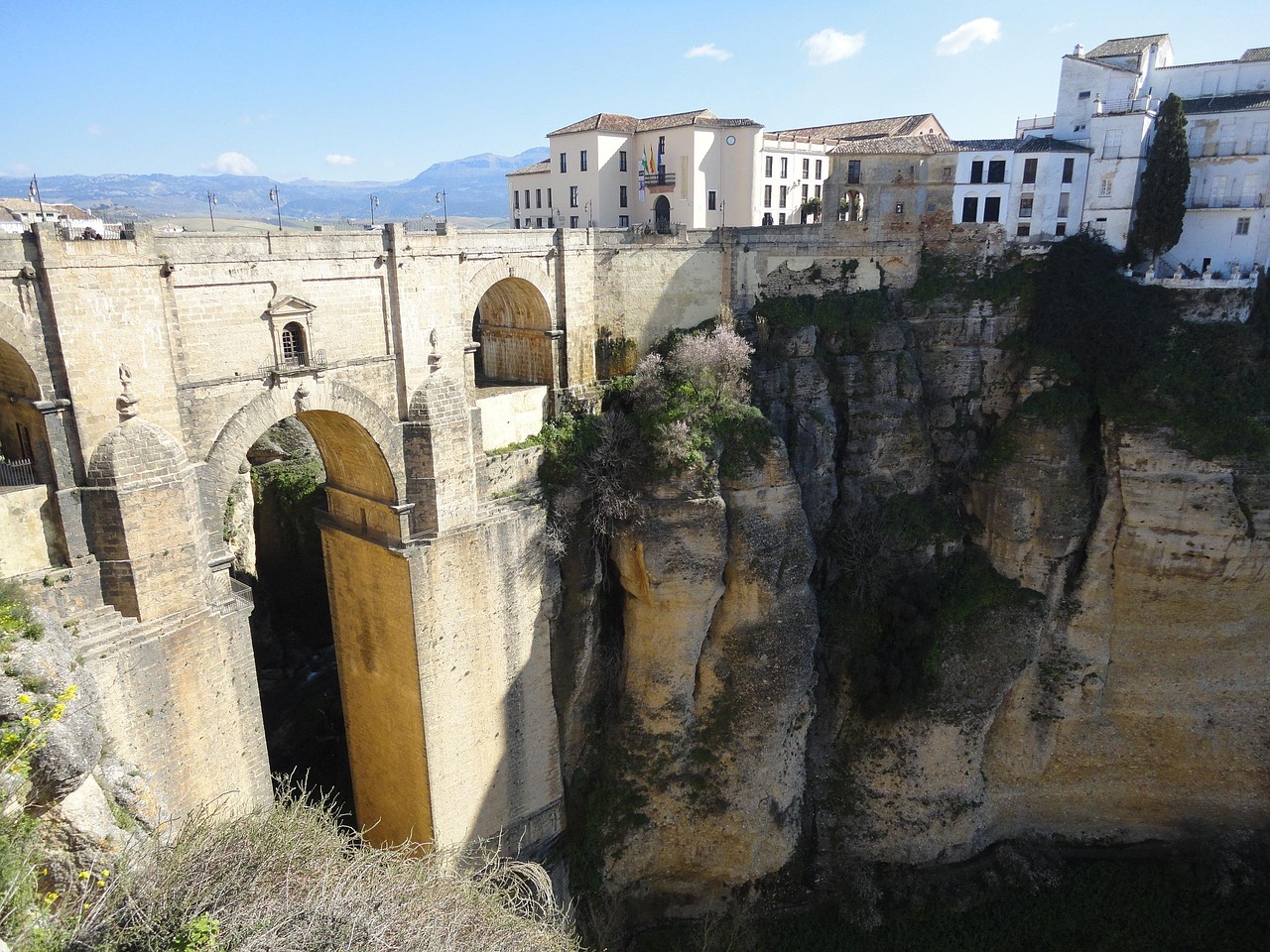
The Puente Nuevo is the massive limestone bridge that spans the Guadalevín Gorge, dividing the old town from the new. Walking across it is one of the top things to do in ronda spain simply because of the scale. The bridge offers a panoramic view of the cliff faces on either side. You do not need a ticket to walk over the main span. If you want to descend into the gorge itself, there are ticketed tours and zip-line options available, but the view from the top is free and spectacular. I’d start your day here to get your bearings.
2. Watch a Show at the Plaza de Toros de Ronda
This is the second-oldest bullring in Spain, built in the 18th century. You can visit it even if you are not interested in bullfighting. The interior is beautiful, with ornate balconies and a sense of history. There are often cultural events, concerts, or dance performances held here, especially in the summer. Check the local schedule before you arrive. If a show is on, it is a unique way to experience Spanish culture. If not, the building itself is worth a quick look from the outside or a short visit inside.
3. Explore the Alcazaba and Arab Baths
The Alcazaba is a Moorish fortress that dominates the old town. Inside, you will find the Arab Baths, which are remarkably well-preserved. The underground rooms feature intricate tilework and a central pool. It is a cool, quiet escape from the busy streets above. I’d pair this with a walk around the fortress walls for the best views of the surrounding hills. The admission fee is modest, and the audio guide is helpful for understanding the history.
4. Stroll Through the Old Town and Mirador
The old town, or Ciudad, is a maze of narrow, white-washed streets. It is particularly atmospheric in the late afternoon when the light turns golden. The Mirador de Ronda, also known as Mirador de Aldehuela, is the most famous viewpoint. It offers a stunning view of the gorge and the old town. It gets crowded with tour groups around midday, so I suggest visiting it early in the morning or just before sunset for a more peaceful experience. This is one of those things to do in ronda spain that requires no effort but yields high rewards.
5. Visit the Church of Santa María la Mayor
This is the most important church in Ronda, built on the site of a former mosque. The interior is impressive, with a mix of Mudéjar, Renaissance, and Baroque styles. The nave is long and high, leading to an ornate altar. It is often overlooked by tourists rushing to the bridge, but it is a significant architectural site. The entry is usually free or a small donation. Take a few minutes to sit in the quiet and appreciate the stillness.
6. See the Fountains of Ronda
Water is precious in this part of Spain, so the fountains in Ronda are treated with great care. The Fuente de la Plaza de España is a central meeting point, while the Fuente del Mercado is another historic spot. These fountains are not just aesthetic; they reflect the importance of water in the town’s history. Walking between them is a nice way to rest your feet and observe local life. It is a simple, free activity that adds character to your walk around the old town.
7. Tour the Museo del Traje Flamenco
Located in the old town, this museum is dedicated to the costume and history of flamenco. It displays dresses, shoes, and accessories from various eras. For fans of the art form, it is a fascinating insight into the evolution of flamenco fashion. The museum is small, so you can easily visit it in 30 to 45 minutes. It is a good indoor option if the weather turns hot or rainy. It complements a live flamenco show perfectly.
8. Wander the Barrio de San Miguel
This is the heart of the old Jewish quarter, or the Barrio Judío. The streets here are steep and narrow, lined with whitewashed houses. It is one of the most photogenic parts of Ronda. You will find small plazas, hidden doorways, and views of the river gorge below. I’d take your time here rather than rushing through. There are no major attractions, just the charm of the architecture and the quiet atmosphere. It is a great place to sit on a bench and watch the light change on the buildings.
9. Discover the Casa de la Cultura
This building hosts various cultural events, exhibitions, and conferences. While it may not have a permanent collection like a major museum, it reflects the town’s commitment to the arts. Check the local listings to see if there is an interesting exhibition or event happening during your visit. It is a less touristy spot that gives you a glimpse into the intellectual and cultural life of Ronda. It is worth a quick stop if you have time to spare.
10. Visit the Ermita de San Francisco
This small chapel sits on a hillside, offering some of the best views in the town. It is a quiet spot that is often missed by tourists. The path up is steep, but the view from the top is expansive. You can see the entire layout of Ronda, the gorge, and the surrounding countryside. It is a peaceful place to reflect or simply enjoy the silence. I’d recommend going here in the late afternoon when the sun is lower in the sky, casting long shadows across the city.
11. Enjoy the Gardens of the Alameda
The Alameda is a large public park that is perfect for a leisurely stroll. It is filled with trees, flowers, and fountains, providing a green oasis in the city. It is a favorite spot for locals to relax and socialize. You can rent a small boat on the lake or just sit under a tree and people-watch. It is a great way to end your day before heading out for dinner. The atmosphere is relaxed and friendly, making it an easy way to soak up the local vibe.

Adventure and Culture: Beyond the Standard Attractions
While the historic sights are essential, Ronda is also a gateway to adventure and deep cultural experiences. If you want to do more than just sightseeing, consider these additional activities. They add a different dimension to your trip and show you the region from a different perspective.
Experience Live Flamenco in Ronda
Ronda is one of the birthplaces of modern flamenco. Watching a live performance here is a must-do experience. The shows take place in small, intimate venues, such as The Cave, which is set in a former bullring. The atmosphere is electric, and you feel close to the performers. I’d recommend booking your tickets in advance, especially during the summer months when demand is high. The combination of music, dance, and history makes it one of the most memorable things to do in ronda spain. It is not just a show; it is a cultural immersion.
Hiking and Caminito del Rey Day Trips
The Caminito del Rey is a famous narrow walkway built along a cliff face. It is a thrilling hike for those who are comfortable with heights. Tours can be arranged from Ronda, or you can drive or take a bus to the starting point. The hike itself is short but dramatic. Alternatively, you can explore the nearby hills on foot. The trails around Ronda offer beautiful views of the gorge and the countryside. It is a great way to exercise and connect with nature. Just make sure you wear comfortable shoes and bring plenty of water, as the terrain can be uneven.

Where to Stay in Ronda, Spain
Choosing where to stay depends on what you want from your trip. If you want to be in the heart of the action, stay in the old town. There are several boutique hotels and guesthouses with views of the gorge. They are often small and charming, with limited rooms, so book early. For a more traditional experience, consider a parador, which is a state-run hotel chain that often occupies historic buildings. If you prefer more space and lower prices, there are apartments and hotels on the new town side of the bridge. You will need to cross the bridge to get to the old town, but it is a short walk. I’d recommend staying in the old town if it is your first time, as it saves time and adds to the experience. Compare luxury hotels in Ronda or budget-friendly options to find the right fit for your budget.

Getting There and Getting Around Ronda
Ronda is well-connected to other major cities in Andalusia, making it easy to reach. However, getting around the town itself requires some planning, as the old town is pedestrian-only in many areas.
Transfers from Málaga and Seville
Málaga is the closest major city, about an hour and a half away by car or bus. Regular bus services run between the two cities. From Seville, the journey is longer, around two to three hours by bus. If you are coming from Granada, the drive is scenic but can be winding. Many travelers include Ronda in a broader Andalusian itinerary, visiting it on the way between these cities. You can also hire a private transfer, which is convenient if you are traveling in a group or with lots of luggage. Booking airport transfers to Ronda can save you the hassle of navigating public transport with bags. It is a good option if you want a direct, comfortable ride to your hotel.
Local Transport and Driving Tips
Once you arrive, the best way to get around the old town is on foot. The streets are narrow and steep, so walking is the only practical option. The new town is flatter and more car-friendly, but parking can be limited. If you do drive, be careful of the one-way streets and the narrow roads. There are no public transport links within the town, so plan your movements accordingly. If you are visiting nearby villages, such as Setenil de las Bodegas or Grazalema, you will likely need a car or a guided tour, as public transport is infrequent. A rental car gives you the most flexibility to explore the surrounding countryside. Consider renting a compact car for Andalusia if you plan to do day trips to nearby towns.
Food, Budget, and Best Time to Visit
Eating well in Ronda is easy, and the local cuisine is a highlight of the visit. Understanding the budget and the best time to go will help you plan a smoother trip.
Must-Try Local Dishes in Ronda
Andalusian cuisine is hearty and flavorful. Look for salmorejo, a cold tomato soup that is perfect for hot days. Bocadillos de churros, which are croissants filled with cream or chocolate, are a popular breakfast or snack. Gazpacho is another classic cold soup, made with tomatoes, peppers, and cucumber. For dinner, try local meats, such as cordero lechal (milk-fed lamb), which is a specialty of the region. Pair your meal with a glass of local wine or a sherry. The restaurants in Ronda range from casual tapas bars to fine dining establishments. I’d recommend trying a few different places to get a taste of the variety. Don’t skip the pastries; the local bakeries are excellent.
Ticket Prices and Free Attractions
Many of the top things to do in ronda spain are free, such as walking across the Puente Nuevo and exploring the old town. Paid attractions include the Alcazaba, the bullring, and the flamenco shows. Prices vary, so it is best to check the official websites or local information centers for the latest fees. Budget around 10 to 20 euros for the main paid attractions. Flamenco shows can cost more, depending on the venue and the time of day. Overall, Ronda is reasonably priced compared to other major cities in Spain. You can have a rich experience without spending a fortune. Just keep an eye out for any discounts or combined tickets that may be available.
Best Time to Visit Ronda, Spain
The best time to visit Ronda is during the spring (April to June) or the autumn (September to October). The weather is mild, and the crowds are smaller than in the peak summer months. Summer can be very hot, with temperatures often exceeding 30 degrees Celsius. This can make walking around the old town uncomfortable. However, if you only have summer days available, try to spend your afternoons indoors, visiting museums or resting in your hotel, and save the outdoor activities for the early morning or late evening. Winter is cooler and wetter, but the town is quieter and the street prices are often lower. Spring offers the best balance of good weather and blooming nature. I’d definitely aim for May if you can, as it is a wonderful time to be in Ronda.
Frequently Asked Questions About Ronda
Here are some common questions that travelers have when planning a trip to this beautiful town.
How many days do I need in Ronda?
One full day is enough to see the main sights, including the bridge, the Alcazaba, and the old town. If you want to attend a flamenco show or take a day trip to the Caminito del Rey, I’d recommend staying for two nights. This gives you more time to relax and explore at a slower pace.
Is Ronda safe for tourists?
Ronda is generally considered a safe tourist destination. As with any popular city, be aware of your surroundings, especially in crowded areas. Keep an eye on your belongings and avoid walking alone in dark, isolated areas at night. The local police are present and responsive.
Can I visit Ronda on a day trip from Seville or Málaga?
Yes, it is possible to visit Ronda on a day trip from either city. From Málaga, the journey is shorter and easier. From Seville, you will be on the road for most of the day, so you may prefer to stay overnight. If you do a day trip, book a tour or ensure you have a reliable transport plan to make the most of your time there.
What should I pack for Ronda?
Pack comfortable walking shoes, as there is a lot of walking on uneven, steep terrain. Bring sun protection, such as a hat and sunscreen, especially if you are visiting in the warmer months. A light jacket is useful for the evenings, as temperatures can drop. If you are planning to hike, bring water and a small backpack.
Start by booking your accommodation and any paid activities, such as flamenco shows or gorge tours, a few weeks in advance. Then, check the weather forecast and pack accordingly. Finally, take a look at our guide to Granada, Spain if you are planning a broader Andalusian itinerary, or see our tips on traveling in Europe for more general advice. Enjoy your trip to Ronda; it is a town that truly rewards those who take the time to explore it.