
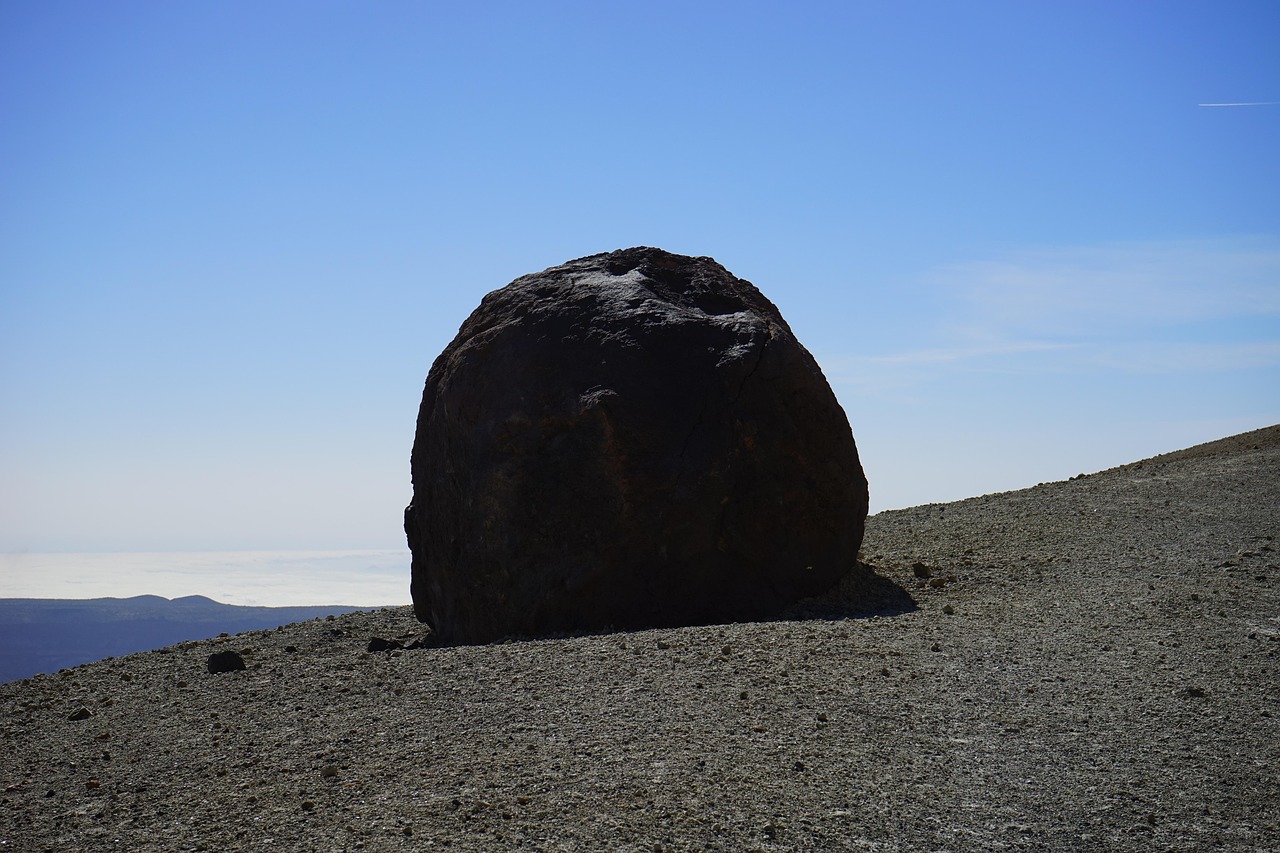
Teide hiking Tenerife – why you should visit
Teide hiking Tenerife offers a chance to walk the slopes of Spain’s highest peak from the Canary Islands. The park’s granite spires and crater lakes draw trekkers who want more than a postcard view. It’s a place where geology, climate, and culture intersect in a single, dramatic landscape.
Compare places to stay in Tenerife before you book, so you’re close to the trailheads and can recover after a long day.
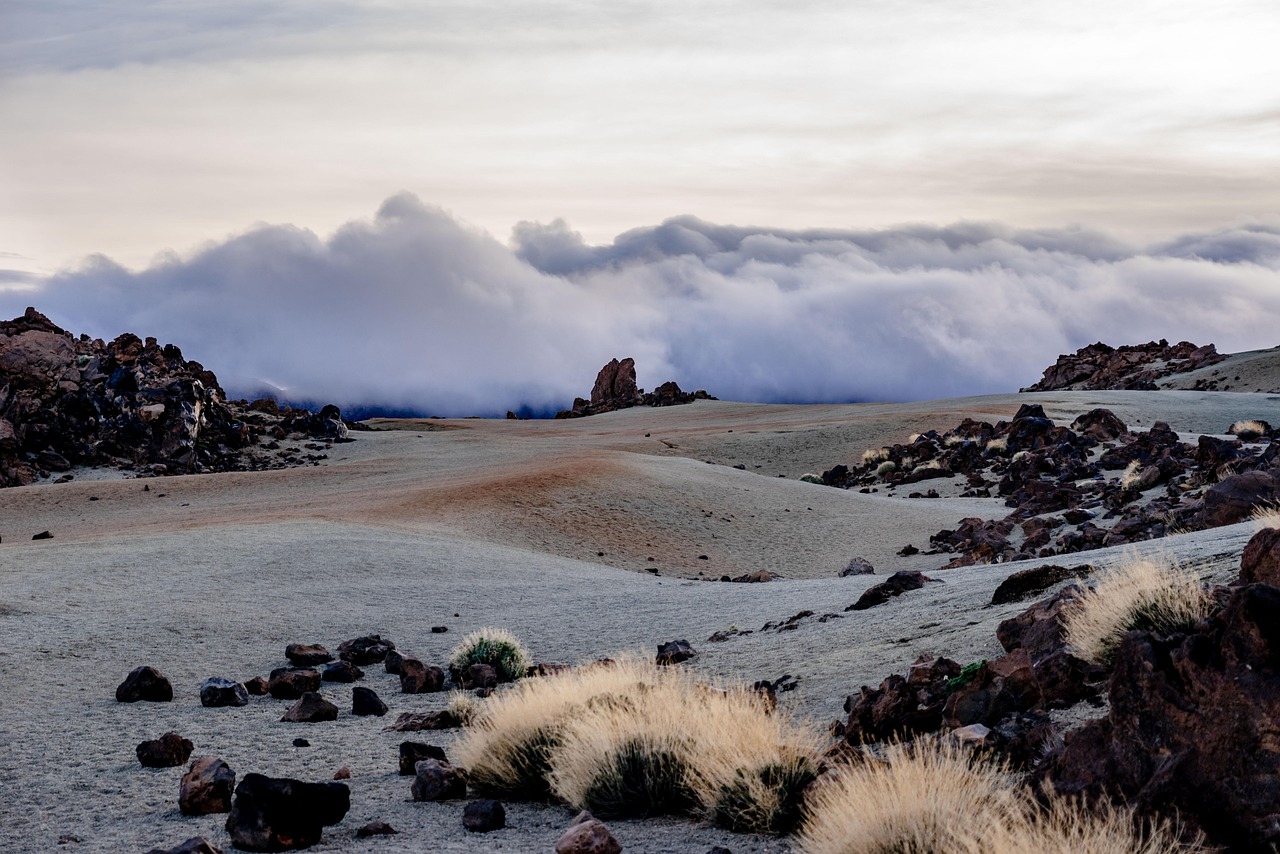
Teide hiking Tenerife – the park’s landscape and wildlife
Teide hiking Tenerife is more than a trek; it’s a journey into volcanic geology, cloud forests, and the dramatic silence of the crater. The park’s unique flora—pines that grew from lava and rare orchids—creates a forest that feels almost otherworldly.
Visitors can spot the endemic pine forests and the occasional flamingo that nest near the caldera’s edges. The park’s conservation status means you’ll see well‑maintained paths and clear signage, which makes navigation easier for first‑timers.
Teide hiking Tenerife is also a place where you can see unique flora like the endemic pine forests.
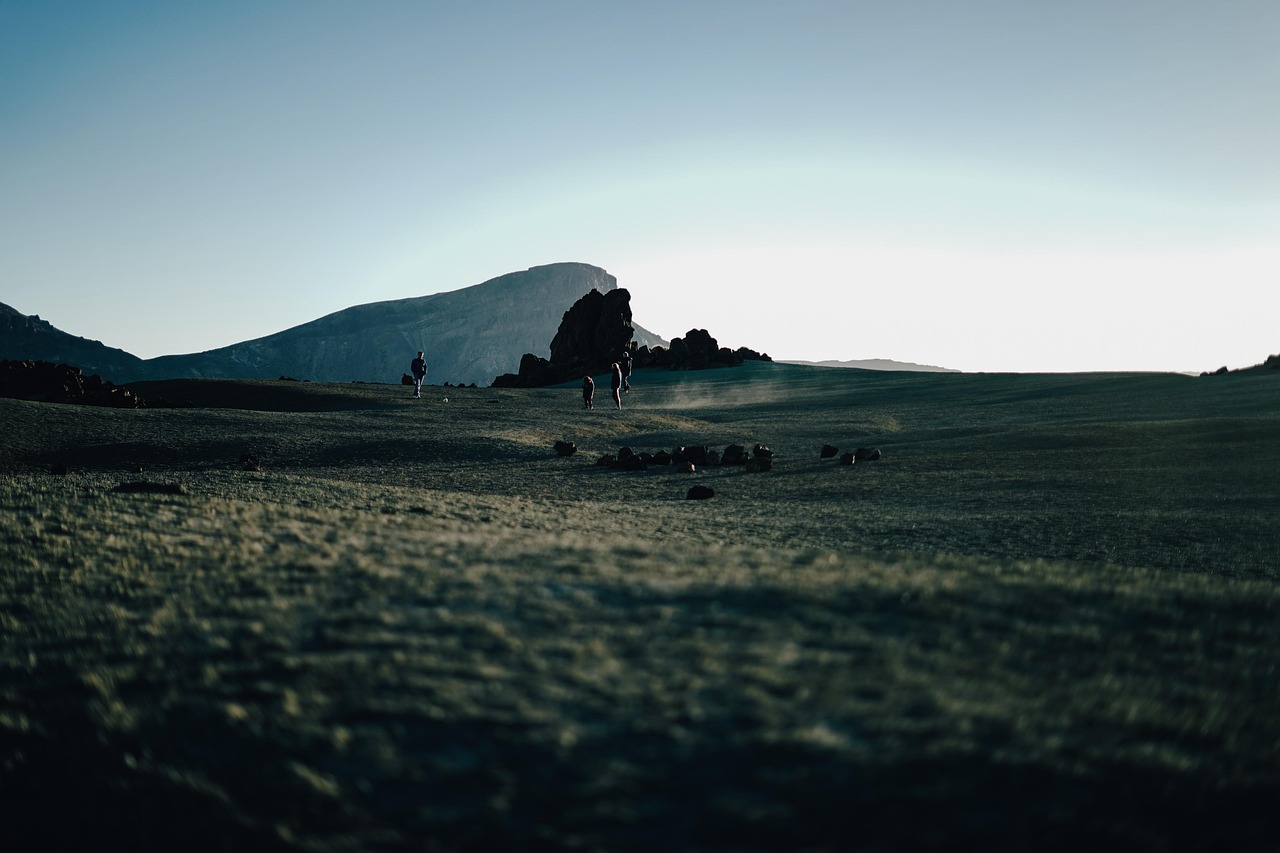
Teide hiking Tenerife – planning your trip
Teide hiking Tenerife is accessible by bus from Santa Cruz, making it a day trip from the capital. If you’re arriving by plane, check how to get to Tenerife and consider airport transfers in Tenerife for a smooth start.
The park’s visitor centre in Roques de García provides maps and up‑to‑date weather alerts. While the park is open year‑round, the best time for hiking is between October and April, when temperatures are milder and the sky is clearer for stargazing.
Teide hiking Tenerife – the Roques de García trail
This is the most popular entry point, offering a 1.5‑kilometre walk to the crater rim. The path is paved and well‑signposted, making it ideal for families or those new to volcanic hiking.
Teide hiking Tenerife – the Pico Viejo loop
For a moderate challenge, the Pico Viejo route starts at the same parking lot but climbs to the second‑highest summit before looping back. The trail is about 5 kilometres and rewards you with panoramic views of the entire island.
Teide hiking Tenerife – the Montaña Blanca ridge
If you’re comfortable with a longer walk, the Montaña Blanca ridge takes you through craggy terrain and a series of small peaks. It’s less crowded and offers a different perspective of the volcanic plateau.
Teide hiking Tenerife – the Cumbre Vieja summit
This is the most demanding option, requiring a full day and a strong fitness level. The route takes you to the highest point of the island, where the air is thin and the view is expansive.
The hike can be done in a single day or as a multi‑day trek, depending on your stamina and interest. For those who prefer a structured route, consider a guided hikes in Tenerife that includes a local guide and transport.
Gear, safety, and practical tips for the hike
The hike requires sturdy boots and layers, because the weather can swing quickly. The wind can pick up at higher elevations, and the temperature can drop below 10 °C even in summer.
Carry a small first aid kit, a headlamp for the descent, and a water bottle that can be refilled at the park’s water stations. A lightweight rain jacket is also recommended.
If you’re doing the hike, keep an eye on the weather forecast, as sudden storms are common. The park’s visitor centre offers real‑time updates and can advise on whether to postpone a hike.
The hike is a prime spot for stargazing, so bring a tripod if you’re into astrophotography. The park is one of the few places in the world with low light pollution, and the clear skies make for spectacular night photography.
Stay connected with buy an eSIM for Tenerife to keep your phone online while you’re off the grid.

After the climb, what to do
The hike often ends with a sunset over the crater, a sight that makes the effort worth it. After descending, many visitors head to the nearby village of Vilaflor for a traditional Canarian meal—think papas arrugadas and mojo sauce.
For a relaxed evening, consider a stroll around the town’s main square, where local artisans display pottery and textiles. If you’re in the mood for more adventure, the nearby Anaga Rural Park offers lush laurel forests and hidden coves.
Our favorite things to do in Puerto de la Cruz provide a great contrast to the volcanic scenery—water parks, botanical gardens, and a historic lighthouse are all within a short drive.
The hike ends with the sense of having climbed a living mountain, a reminder that the Canary Islands are as much about the earth as they are about the sea.
FAQs for the curious
What is the best time for the hike? The mild months from October to April offer cooler temperatures and clearer skies. Summer can be hot, especially at the base of the volcano, but the higher elevations remain pleasant.
Do I need a permit to hike? No special permit is required for the standard trails, but you must purchase an entry fee to the park, which varies depending on the day of the week.
Is the park accessible for disabled visitors? Some of the lower trails, like the Roques de García path, are paved and wheelchair‑friendly, but the higher routes are steep and not suitable for mobility aids.
Can I bring a dog? Pets are allowed on most trails, but they must be kept on a leash and the owners are responsible for waste. Check the park’s pet policy before you go.
The hike will stay in your memory long after you leave the island. By planning ahead, respecting the environment, and staying aware of the weather, you’ll make the most of this volcanic adventure.
For more inspiration on what to do in Tenerife, see our Best Things to do in Tenerife guide. If you’re curious about the neighboring Anaga Rural Park, check out our detailed Anaga Rural Park, Tenerife guide, and for a taste of local culture, read about Our Favorite Things To Do in Puerto de la Cruz.