

Greek Island Hopping
Greek island hopping is the dream itinerary for anyone who wants to taste the variety of Greece in one trip. The archipelago stretches from the dramatic cliffs of Santorini to the tranquil coves of Naxos, offering a mix of culture, beach, and adventure that feels almost magical.
What is Greek island hopping?
At its core, Greek island hopping means moving from one island to another, usually by ferry or short flight, to experience different landscapes, histories, and atmospheres. It’s a flexible way to explore the Aegean and Ionian seas without getting stuck on one spot.
Island‑by‑Island Itinerary
Greek island hopping: Santorini – The Iconic Sunset Island
Santorini is the headline of most island hopping stories. Its whitewashed villages, black‑sandy beaches, and volcanic cliffs create a striking contrast that draws photographers worldwide. If you’re looking for a place that feels both glamorous and relaxed, Santorini is your go‑to. A good starting point is the town of Fira, where you can hop on a local ferry to the quieter villages of Oia or Imerovigli.
For those who want a comfortable stay, places to stay in Santorini offers a range of options from boutique suites to family-friendly resorts.
When it comes to activities, the classic walk from Fira to Oia is a must. It gives you panoramic views and a chance to see the caldera from multiple angles. If you prefer a more relaxed day, head to Perissa Beach for its black sand and clear water.
Travelers often ask about the best time to visit. Late spring or early fall give you pleasant temperatures and fewer crowds.
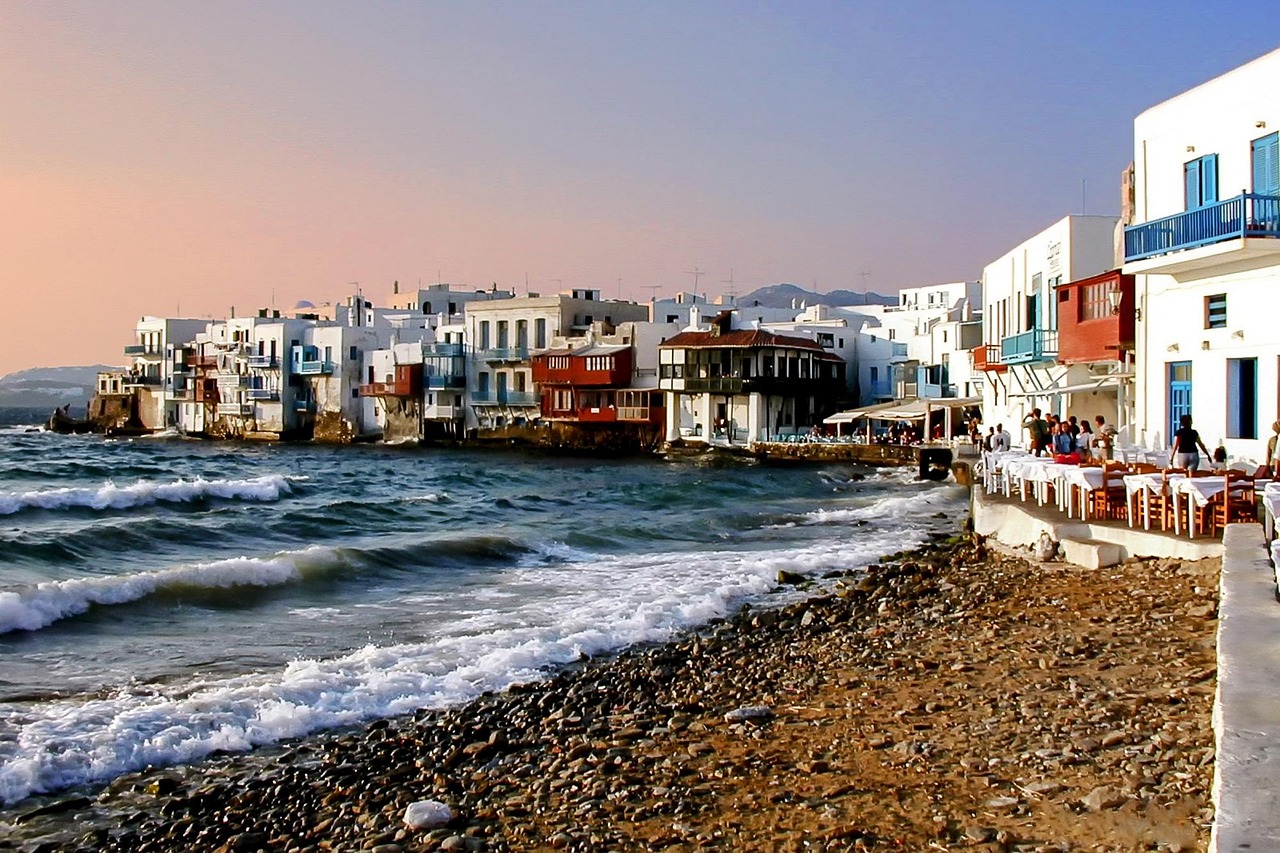
Greek island hopping: Mykonos – Party and Culture in One
Mykonos is famous for its nightlife, but it also hides quiet corners worth exploring. The town of Mykonos has winding alleys, iconic windmills, and a bustling harbor that’s perfect for a sunset stroll. For those who enjoy a blend of culture and clubbing, Mykonos delivers on both fronts.
If you’re planning a stay, check out places to stay in Mykonos to find options that fit your budget and style. The island’s ferry schedule from Santorini is frequent, especially during the summer months.
Beyond the clubs, a day trip to the nearby island of Delos is a fascinating dive into ancient history. The archaeological site is a UNESCO World Heritage site that offers a window into Greece’s past.
For a quieter vibe, the beaches of Super Paradise and Psarou provide a mix of water sports and sunbathing.
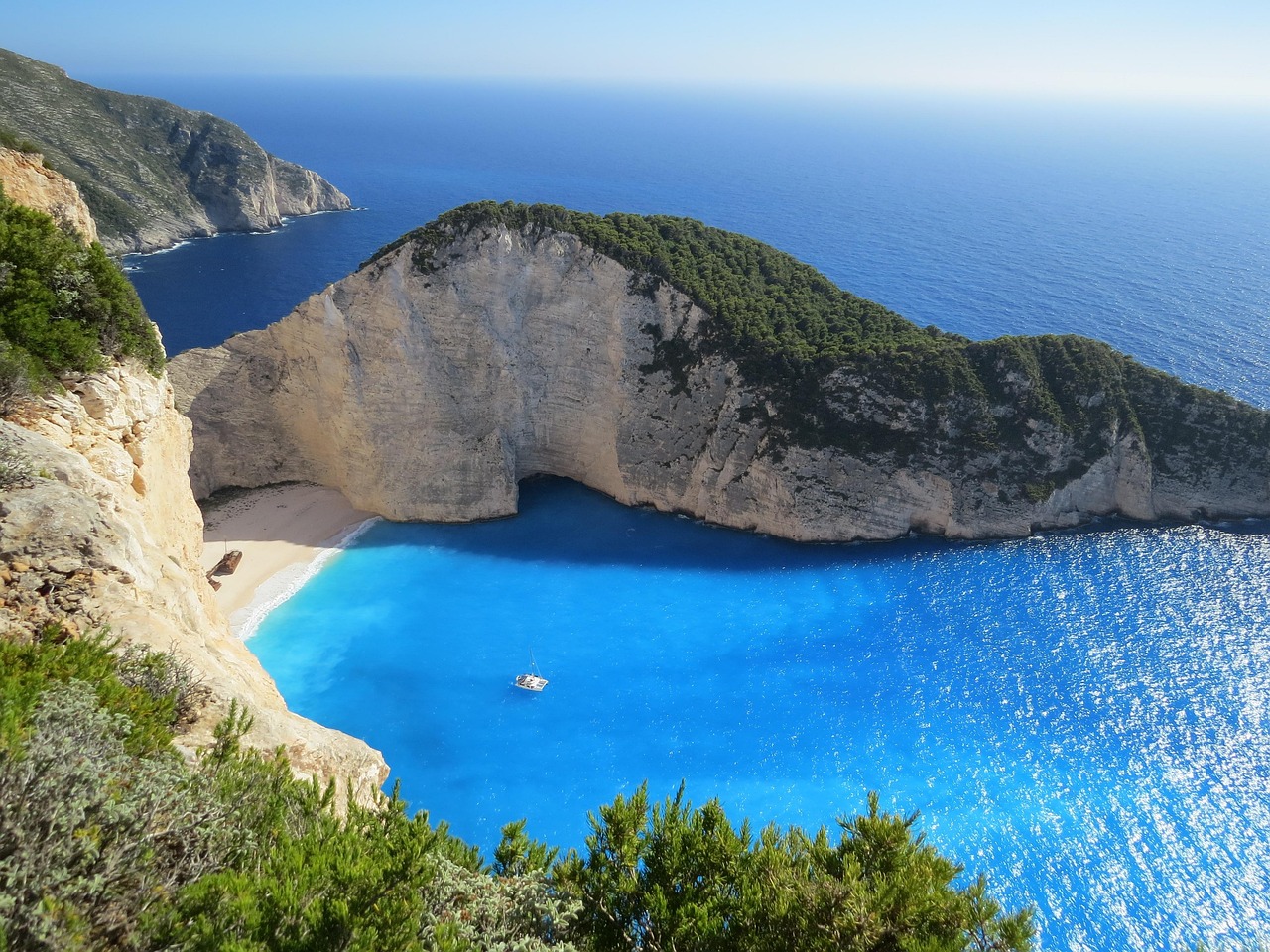
Greek island hopping: Milos – The Colorful Gem of the Cyclades
Milos is a bit of a surprise; its rugged coastline, crystal‑clear waters, and colorful villages make it a standout. The island’s name comes from the Greek word for “blue,” hinting at its maritime charm.
When planning a visit, consider staying near the port of Pera Vrysi. It’s centrally located and offers easy access to the island’s main attractions. A ferry from Mykonos takes roughly two hours, giving you plenty of time to explore upon arrival.
Top spots include the Blue Cave on Klefta Island, the volcanic beach Sarakiniko, and the picturesque fishing village of Plaka. Each offers a distinct slice of Milos’ diverse scenery.
For those who enjoy hiking, the trail from Plaka to the old town of Milos is both scenic and rewarding.
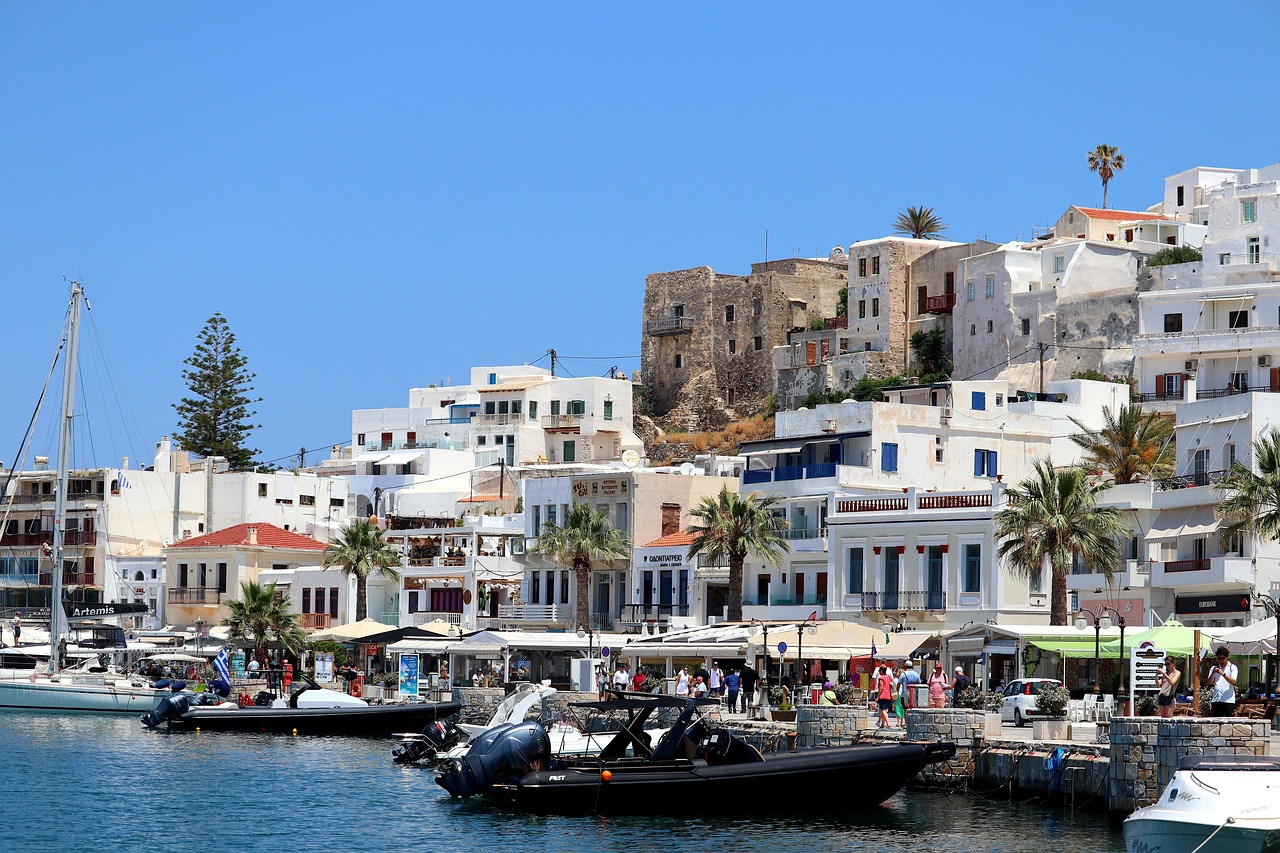
Greek island hopping: Naxos – The Largest of the Cyclades
Naxos balances traditional Greek village life with modern amenities. It’s a great spot for families, thanks to its sandy beaches and easy terrain.
Getting there is straightforward: ferries from Mykonos or Santorini run regularly. Once on the island, the town of Chora is a hub of shops, taverns, and historical sites like the Portara.
For adventure, the mountain trails in the interior offer panoramic views and a taste of local farming life.
Paros – The Hidden Gem of the Cyclades
Paros is often overlooked but offers a perfect mix of beaches, villages, and cultural sites. The town of Parikia is known for its blue‑and‑white architecture, while Naoussa is famed for its harbor and nightlife.
Ferries from Naxos are frequent, making Paros a convenient extension to your itinerary. The island’s beaches, such as Golden Beach and Kolymbithres, provide a relaxed atmosphere for sun‑seeker travelers.
Practical Logistics
Budgeting for Greek island hopping
Greek island hopping can be tailored to any budget. While some islands have a reputation for luxury, you can find affordable lodging and dining across the archipelago. A mid‑range traveler might spend around 80–120 euros per day, while those seeking a high‑end experience can expect to spend 200 euros or more.
When you book a package, consider the cost of internal ferries and the potential need for a local SIM card. A cheap eSIM can save you money on roaming charges.
For flights between islands, a regional airline or a ferry can be cheaper depending on the season.
Overall, planning ahead and comparing ferry schedules will help you keep costs in check.
Transportation: ferries, flights, taxis
Ferries are the backbone of Greek island hopping. The network is extensive, with routes connecting the Cyclades, Ionian islands, and mainland ports. Prices vary by distance and speed, but a single ticket can cost as little as 15 euros.
For quicker travel, regional airlines offer flights between major islands. While the tickets are pricier, they can be worth it for time‑constrained travelers.
Once you arrive at an island, taxis are plentiful and affordable. A short ride within a town typically costs 5–10 euros. For longer trips, a shared taxi can reduce the fare.
For those who want to explore at their own pace, consider renting a scooter. It’s a popular choice on many islands, but you’ll need to be comfortable riding a vehicle on narrow streets.
When to Go
The peak season runs from June to August, offering sunny weather and a lively atmosphere. However, the shoulder months of May, September, and early October provide pleasant temperatures and fewer crowds.
During winter, many islands close their resorts, but you’ll find lower prices and quieter streets.
Activities & Experiences
Culture & History
Greek island hopping is a cultural journey. From the ancient ruins of Delos to the traditional taverns of Naxos, each island tells a story. In Santorini, the archaeological site of Akrotiri reveals a Bronze Age city preserved by volcanic ash.
In Mykonos, the Museum of Cycladic Art offers insights into prehistoric life. Naxos hosts the Temple of Demeter, a testament to the island’s agricultural heritage.
Beaches & Water
Each island offers a distinct beach experience. Milos’ Sarakiniko is known for its lunar‑like landscape, while Santorini’s Kamari offers a black‑sandy stretch. Mykonos’ Psarou is a hotspot for water sports, and Paros’ Golden Beach is perfect for families.
For a quieter option, Naxos’ Agios Prokopios beach has calm waters ideal for swimming.
Nightlife & Dining
Nightlife varies by island. Mykonos is the party hub, with clubs that host international DJs. Santorini’s bars in Oia offer a relaxed sunset experience. Paros’ Naoussa is known for its lively waterfront restaurants.
Gastronomy is another highlight. Fresh seafood, local cheeses, and regional wines are staples across the islands. In Santorini, try the local Assyrtiko wine; in Mykonos, the grilled octopus is a must‑taste.
Family‑friendly & Adventure
Family travelers will appreciate Naxos’ long beaches and the gentle terrain of its interior. The island’s boat tours are also suitable for children.
Adventure seekers can enjoy hiking on Milos, sailing around Santorini, or diving around Mykonos’ reefs. Each island offers unique outdoor activities that cater to different skill levels.
Sustainability & Responsible Travel
Greek island hopping can be done sustainably by choosing eco‑friendly accommodations, supporting local businesses, and respecting the fragile marine environment. Avoid single‑use plastics, and consider taking public transport or walking when possible.
When visiting popular spots like the Blue Cave, follow the marked paths to minimize erosion and protect marine life.
Packing & Safety Tips
Pack light, breathable clothing for the sunny days and a light jacket for cooler evenings. Sunscreen, a hat, and comfortable walking shoes are essential. A small waterproof bag is handy for beach days.
Safety is generally good across the islands, but it’s wise to keep an eye on your belongings in crowded areas. In case of an emergency, local numbers are readily available.
What’s Next?
If you’re ready to start planning, check out our Europe travel section for more itineraries, or read about Corfu’s top experiences to see what else Greece has to offer. When you’re set, consider booking a ferry package or a local eSIM for seamless connectivity. Happy traveling and enjoy the Greek island hopping adventure!