
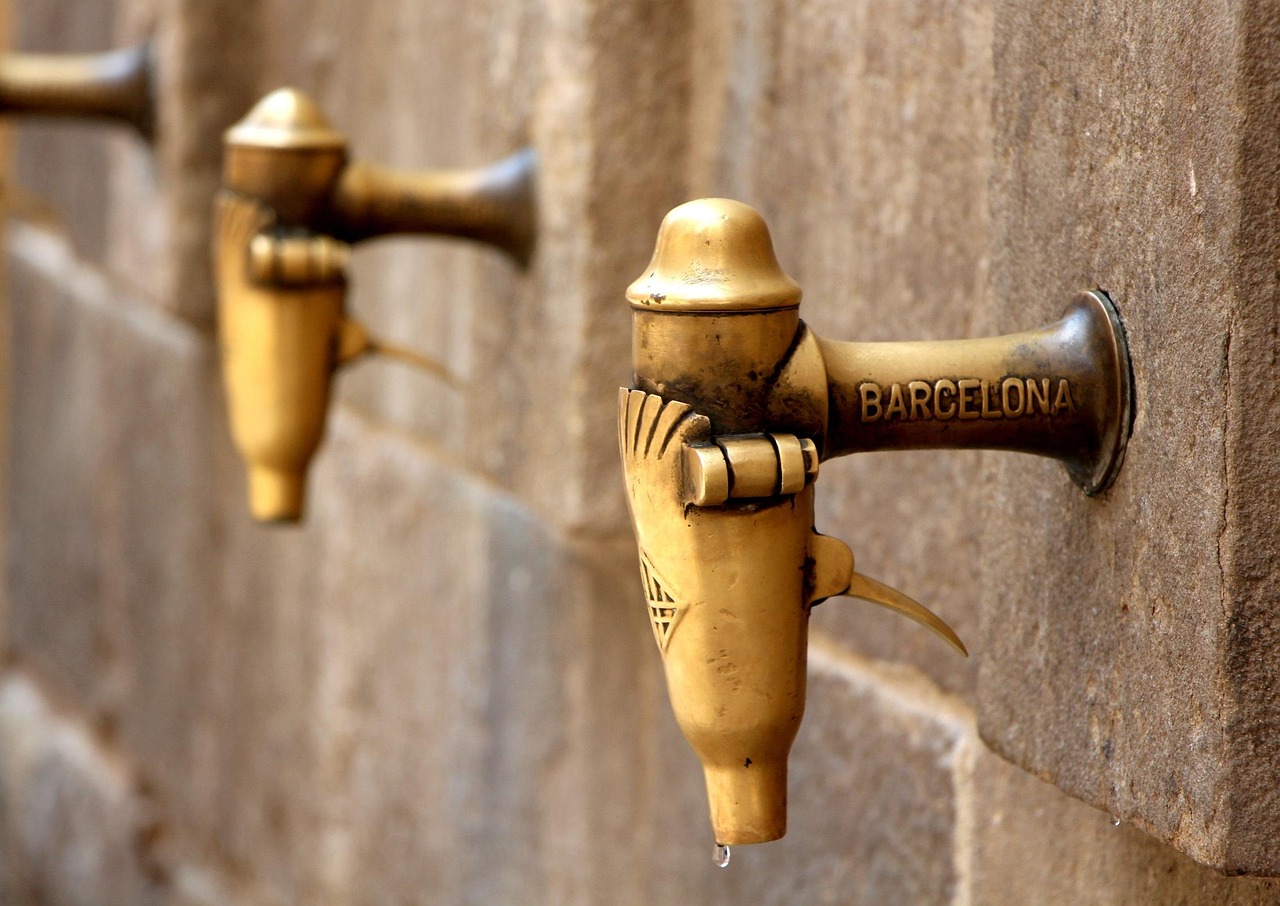
Tap water safety in Europe is a common question for travelers planning a trip across the continent, and the answer varies widely from one country to another.
Knowing where you can safely fill a bottle from the tap helps you save money, reduce plastic waste and stay healthy on the road. This guide breaks down the regions and cities where caution is advised, where the water is reliably safe, and what you can do to verify quality on the go.
<
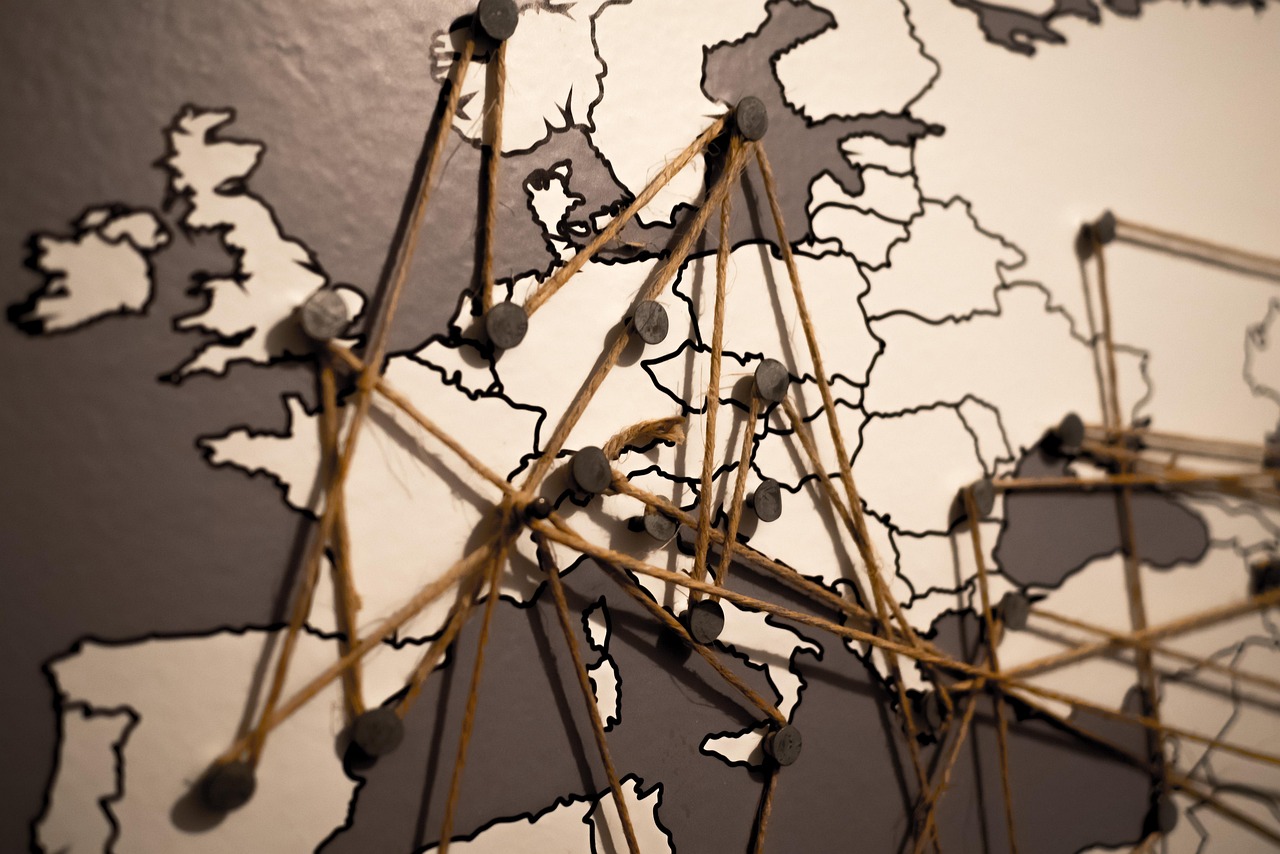
can you drink tap water in Europe: Countries Where You Can’t Drink Tap Water in Europe
can you drink tap water in Europe: Eastern Europe & Balkans — Albania, Moldova, Ukraine, Belarus
In many parts of Eastern Europe and the Balkans, aging infrastructure and inconsistent treatment mean tap water can carry bacteria or heavy metals. Travelers often report stomach upset after drinking directly from the tap in cities such as Tirana, Chisinau, Kiev and Minsk. If you are visiting these countries, treat tap water as unsafe unless you have confirmation from a reliable source.
can you drink tap water in Europe: Turkey & Transcaucasia — Turkey, Georgia, Armenia, Azerbaijan
Turkey’s large cities generally have treated water, but older districts and rural areas may still have pipe corrosion that introduces lead or sediment. In the Caucasus, water quality varies significantly; Tbilisi and Yerevan have improved systems, yet many smaller towns rely on sources that are not regularly monitored. Carrying a filter or buying bottled water is a prudent precaution.
can you drink tap water in Europe: Microstates & Islands with Limited Infrastructure
Microstates such as Monaco, San Marino and Andorra usually import water from neighboring countries and maintain high standards, but some smaller islands — especially those with seasonal tourism spikes — can struggle with supply. Examples include certain Greek islands outside the main tourist hubs and remote Croatian isles where desalination plants operate at limited capacity. Always check with your accommodation before assuming tap water is safe.
For up‑to‑date advice on staying healthy while exploring the Balkans, you might find our albania travel tips helpful.
can you drink tap water in Europe: European Cities Where Tap Water Is Unsafe or Unreliable
can you drink tap water in Europe: Major Tourist Hubs with Old Pipe Networks
Some of Europe’s most visited cities have water systems that date back a century or more. In parts of Budapest, Bucharest and Sofia, lead‑laden pipes can still be found in older buildings. While the central treatment plants meet EU standards, the final delivery to your tap may be compromised. Running the tap for a few seconds before filling a bottle can reduce, but not eliminate, risk.
can you drink tap water in Europe: Seasonal & Rural Hotspots — Croatian Coast, Greek Islands, Southern Italy
During peak summer months, the influx of tourists can strain local water reserves. On islands such as Hvar, Corfu and Sicily, temporary shortages sometimes lead to reliance on brackish wells or water trucks that are not subject to the same testing as municipal supplies. Travelers have reported gastrointestinal issues after using tap water for drinking or brushing teeth in these locations.
If you are planning a beach holiday, our croatia travel tips page includes practical advice on water safety.
Tap water safety in Europe: Cities with Recent Contamination Alerts
Occasional alerts are issued when testing reveals spikes in contaminants such as nitrates or coliform bacteria. Recent examples include temporary warnings in parts of Marseille after heavy rainfall overwhelmed runoff filters, and in certain districts of Bucharest where industrial discharge raised concerns. These alerts are usually short‑lived, but they highlight the importance of checking local news or official sources before consuming tap water.
can you drink tap water in Europe: Where You Can Drink Tap Water in Europe — Safe Regions & Cities
can you drink tap water in Europe: Northern & Western Europe — Scandinavia, Germany, Netherlands, UK
Countries with modern infrastructure and strict regulatory oversight consistently deliver high‑quality tap water. In Stockholm, Copenhagen, Berlin, Amsterdam and London, the water is not only safe to drink but often tastes excellent thanks to natural filtration through glacial or aquifer sources. You can confidently refill a bottle from any public fountain or tap in these cities.
can you drink tap water in Europe: Alpine Sources — Switzerland, Austria, Slovenia, Northern Italy
The Alpine region benefits from pristine snowmelt and well‑protected watersheds. Cities such as Zurich, Vienna, Ljubljana and Trentino enjoy water that meets some of the strictest standards in Europe. Many towns even provide free sparkling water taps sourced directly from mountain springs.
Tap water safety in Europe: Verified Safe Capitals & Urban Centers
Beyond the regions already mentioned, capitals like Madrid, Paris, Lisbon and Dublin have invested heavily in upgrading pipe networks and monitoring systems. While occasional localized issues can arise, the overall risk of contamination is low. Travelers can rely on tap water for drinking, cooking and brushing teeth in these cities without needing additional treatment.
For a broader look at safe destinations, see our best countries to visit in Europe for first‑timers guide.
can you drink tap water in Europe: How to Check If You Can Drink Tap Water in Europe at Your Destination
can you drink tap water in Europe: Official Government & EU Water Quality Portals
Most European nations publish real‑time data on water quality through their environmental agencies or ministries of health. The EU’s Drinking Water Directive portal aggregates results from member states, allowing you to search by city or region. Look for parameters such as E. coli, lead levels and pesticide residues; if all values fall within legal limits, the tap water is considered safe.
Tap water safety in Europe: Travel Apps & Crowd‑Sourced Maps for Real‑Time Data
Several apps compile traveler reports and official alerts to give a quick safety rating for tap water worldwide. Apps like “Water Quality Tracker” and “TapSafe” let you view recent comments from other visitors and see whether any advisories have been posted for your exact location. While these tools are helpful, they should complement — not replace — official sources.
Tap water safety in Europe: Ask Locals & Accommodation Hosts — Quick Verification Tips
A simple conversation with your hostel receptionist, hotel concierge or Airbnb host can reveal whether the building’s plumbing has been recently updated or if they rely on a filtration system. Many locals will also tell you if they personally drink from the tap or prefer bottled water. When in doubt, run the tap for 30 seconds and fill a clean container; if the water looks clear and smells neutral, it is a good sign, though not a guarantee.
Tap water safety in Europe: Practical Solutions — Filter Bottles, Purification & Free Refill Stations
Tap water safety in Europe: Best Travel Water Filter Bottles for Europe Trips
For travelers who want flexibility, a filter bottle that removes bacteria, protozoa and sediment is a solid choice. Models with hollow‑fiber membranes (such as those from reputable outdoor brands) can treat water from taps, streams or even questionable hotel sinks. Remember to replace the filter cartridge according to the manufacturer’s schedule to maintain effectiveness.
Tap water safety in Europe: UV Pens, Tablets & Gravity Filters — Pros & Cons
UV pens destroy microorganisms by exposing water to ultraviolet light, but they do not remove chemical contaminants or particulates. Chlorine or iodine tablets are lightweight and effective against viruses and bacteria, yet they can leave an unpleasant taste and are less reliable against protozoan cysts. Gravity‑fed filter systems work well for groups or base camps, offering high flow rates while blocking bacteria and protozoa, though they are bulkier to carry.
Tap water safety in Europe: Find Free Drinking Water Refill Points Across European Cities
Many municipalities promote sustainability by installing public drinking water fountains. In cities such as Vienna, Prague and Barcelona, you will find clearly marked refill stations in parks, squares and near major attractions. Some apps map these locations, allowing you
Plan your trip: Book an airport transfer