
What’s Included in Budget Europe Tour Packages
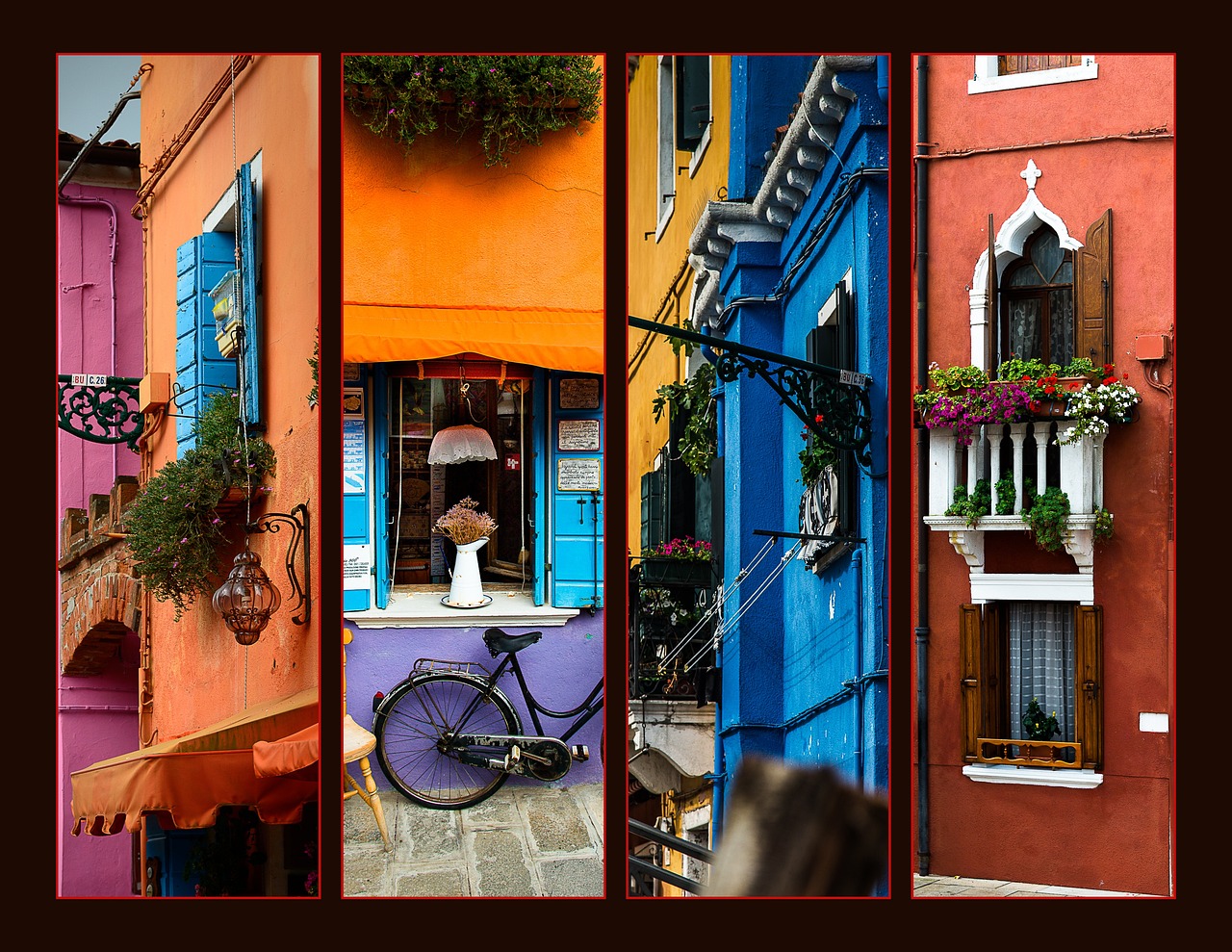
Budget Europe tour packages offer a straightforward way to see the continent without breaking the bank. Most providers bundle accommodation, transport between cities, and a selection of guided activities into a single price. You’ll typically find shared rooms in hostels or budget hotels, daily breakfast, and a mix of free‑time exploration plus organized tours.
What you get can vary widely, so it’s worth checking the fine print. Some packages include airport transfers, while others leave you to make your own way from the terminal. Entrance fees to major attractions may be covered, but meals beyond breakfast are often excluded. Knowing exactly what’s in the price helps you avoid surprise costs later on.
10 Cheapest Budget Europe Tour Packages for 2027
Below are ten options that consistently rank among the most affordable for different traveler types. Prices shift with demand, so treat these as starting points and verify the latest deals before booking.
Best Budget Europe Tour Packages for Young Adults & Solo Travelers
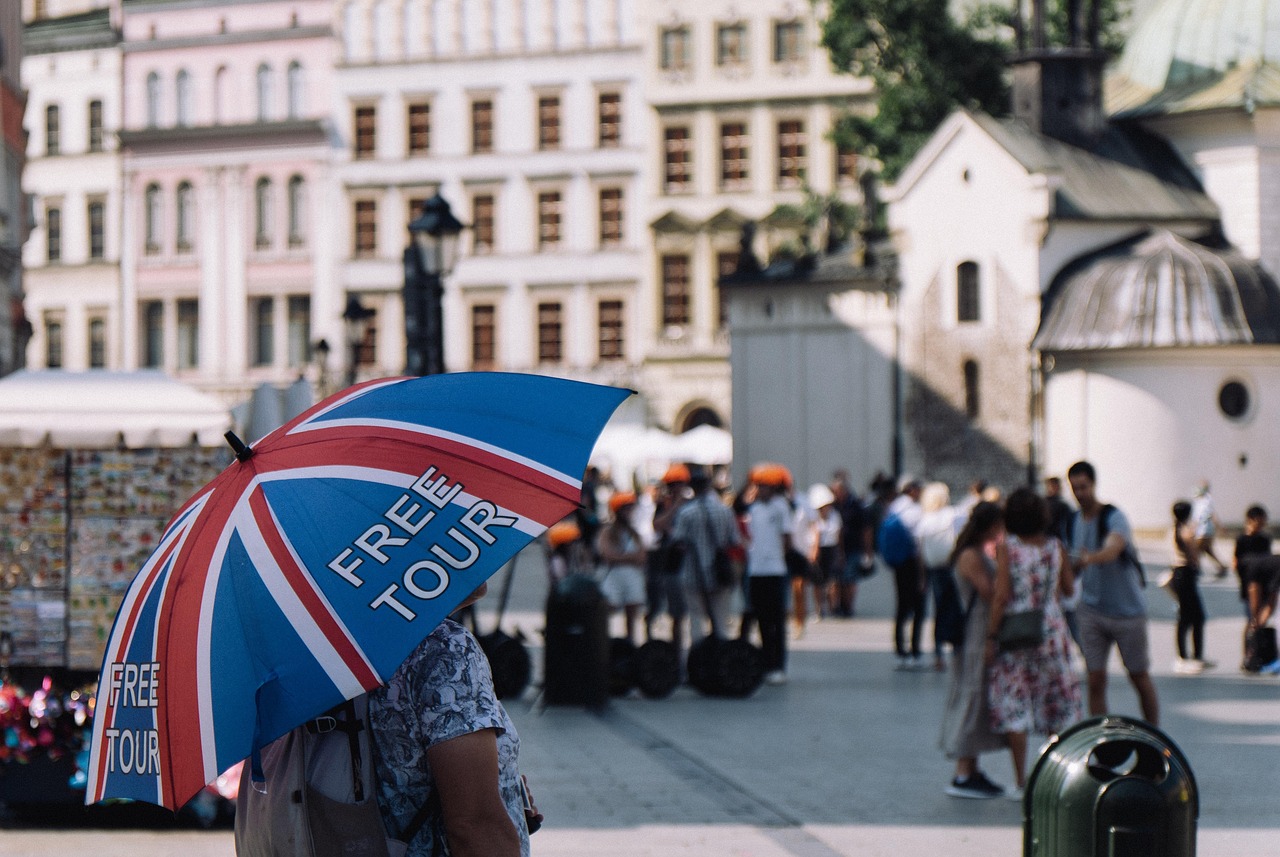
Young travelers often prioritize flexibility and social opportunities. Look for packages that base you in lively cities like Prague, Budapest, or Lisbon and include nightly pub crawls, walking tours, and hostel dorms. A typical seven‑day itinerary might cover two capitals, a day trip to a nearby castle, and plenty of free evenings to meet fellow travelers. Expect to pay roughly €400‑€550 for the core package, not including flights.
Best Budget Europe Tour Packages for Families
Families need space, safety, and activities that keep kids engaged. Many operators now offer family‑focused routes that stay in apartment‑style accommodations or family rooms in budget hotels. Highlights often include interactive museum passes, bike rentals, and day trips to theme parks or nature reserves. A ten‑day package covering Germany, Austria, and Switzerland can start around €900‑€1,200 for two adults and two children, again excluding international flights.
Eastern Europe vs. Western Europe: Value Comparison
If you’re chasing the lowest daily cost, Eastern Europe consistently delivers better value. Countries such as Romania, Bulgaria, and Ukraine offer lower accommodation prices, cheaper meals, and affordable public transport. A day in Sofia or Bucharest might cost €30‑€40 per person for lodging, food, and local travel, while the same day in Paris or Amsterdam could run €80‑€120. Western Europe still draws visitors for its iconic sights, but you’ll pay a premium for the convenience and familiarity.
Budget Europe Tour Packages Cost Breakdown: Daily & Total Estimates
Understanding where your money goes makes it easier to compare packages and spot hidden fees. Below is a typical daily budget for a mid‑range tour that includes accommodation, breakfast, and basic transfers.
- Accommodation: €20‑€35 per night in a hostel dorm or budget hotel private room.
- Breakfast: Usually included; if not, budget €3‑€5.
- Local transport: €5‑€10 for trams, buses, or short train hops.
- Activities/entrance fees: €10‑€20 for guided tours or museum passes (often partially covered).
- Meals (lunch & dinner): €15‑€25 if you eat at modest restaurants or self‑cater.
- Miscellaneous: €5‑€10 for snacks, water, or small souvenirs.
Adding those figures gives a daily range of €58‑€105. For a seven‑day package, the total land cost falls between €400‑€735. Remember that international flights, travel insurance, and optional extras are not part of this calculation.
Getting There & Getting Around: Flights, Eurail & Bus Networks
Reaching Europe usually starts with a transatlantic flight. Look for fare sales in January or September, and consider flying into secondary airports like Milan Bergamo or Warsaw Modlin to shave off tens of euros. Once on the continent, you have three main options for moving between cities.
Flights: Low‑cost carriers such as Ryanair, easyJet, and Wizz Air operate dense networks across Europe. A one‑way ticket between major hubs can be as low as €15‑€30 if booked several weeks ahead.
Trains: Eurail passes remain popular, but point‑to‑point tickets on regional trains often beat the pass price for short trips. Apps like Omio or Trainline let you compare schedules instantly.
Buses: Companies like FlixBus and Eurolines offer the cheapest overland connections, especially between Eastern European capitals. Expect to pay €5‑€15 for a four‑hour ride.
For airport transfers, arrange a reliable airport taxi in advance or use the official shuttle service; both are usually cheaper than last‑minute taxis.

Where to Stay: Hostels, Guesthouses & Budget Hotels by Region
Accommodation is where you can save the most—or overspend if you’re not careful. Below is a quick guide to what you’ll find in each part of Europe.
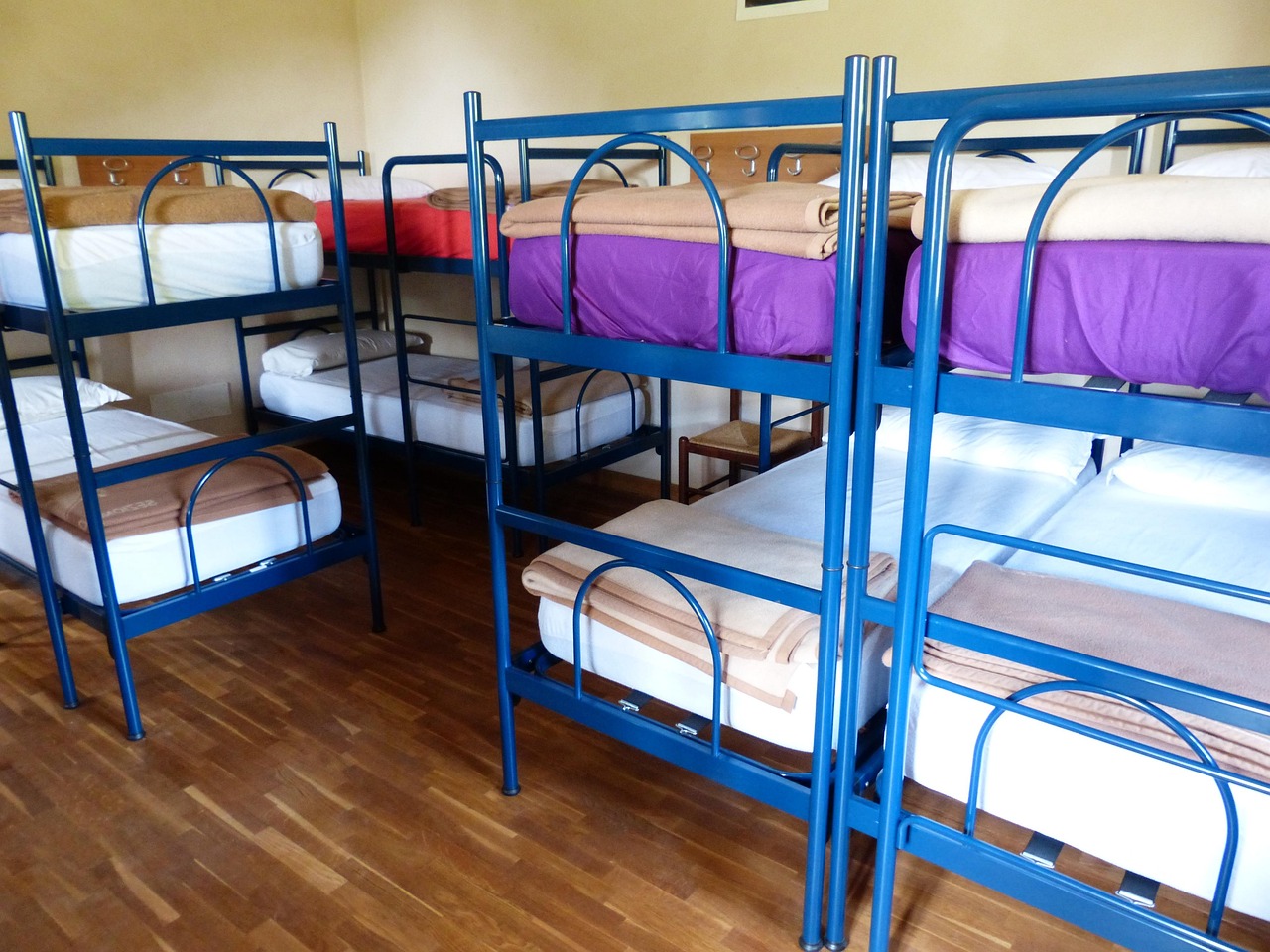
Western Europe (France, Benelux, Germany, UK): Private rooms in budget hotels average €50‑€80 per night. Hostels offer dorm beds for €20‑€35 and often include communal kitchens.
Southern Europe (Spain, Italy, Greece): You’ll find slightly cheaper hostels, with dorms around €18‑€30. Family‑run guesthouses (pensions) provide private rooms for €40‑€60 and often include breakfast.
Eastern Europe (Poland, Czechia, Hungary, Romania): Dorm beds frequently drop below €15, and private rooms in budget hotels can be found for €30‑€45. Many cities also have well‑priced serviced apartments that are ideal for longer stays.
When comparing options, you can places to stay in Granada to see a sample of prices and amenities before committing.
DIY vs. Packaged Tours: Hidden Costs & Value Comparison
Some travelers prefer to piece together their own itinerary, booking each component separately. This approach can save money, but it also shifts the burden of planning onto you.
Advantages of a DIY trip: Complete control over destinations, the ability to stay in alternative lodgings like Couchsurfing, and the freedom to skip activities that don’t interest you.
Hidden costs to watch: Last‑minute train tickets can spike in price, especially on popular routes. Baggage fees on low‑cost airlines often catch newcomers off guard. Travel insurance, visa fees (if applicable), and occasional city taxes are easy to overlook when adding up individual bookings.
Why a package might still win: Tour operators negotiate bulk rates with hotels and transport firms, passing savings onto you. They also handle logistics, which reduces the risk of missed connections or language barriers. For first‑time visitors or those traveling with children, the convenience often outweighs the modest price difference.
If you’re curious about vetted operators, check out our comparison of budget-friendly city tour options that have been reviewed for transparency and value.

5 Essential Tips to Book the Cheapest Europe Tour Packages
Saving money on a Europe tour doesn’t require extreme sacrifice; a few smart habits can shave hundreds off the total.
- Travel off‑peak: Aim for late October through early December or mid‑January to mid‑March. You’ll avoid summer crowds and enjoy lower accommodation rates.
- Book early, but watch for flash sales: Many operators release early‑bird discounts six months ahead, then run limited‑time promos. Sign up for newsletters to catch them.
- Compare inclusions side‑by‑side: A cheaper headline price might exclude airport transfers or meals. Create a simple spreadsheet to see what you’re actually paying for.
- Consider alternative gateways: Flying into a city like Porto instead of Lisbon, or Kraków instead of Warsaw, can cut flight costs by 15‑25%.
- Use local transport passes: Once you’re in a region, a weekly bus or tram pass often beats buying single tickets, especially if you plan to explore extensively.
FAQ: Budget Europe Tour Packages
Do budget tour packages include flights? Most land‑only packages exclude international airfare. Some companies offer “flight‑included” options at a higher price; verify what’s covered before you book.
Are meals provided? Breakfast is commonly included. Lunches and dinners are usually left to you, though some packages add a welcome dinner or a few specialty meals.
How flexible are the itineraries? Operators vary. Some offer fixed daily schedules, while others build in free afternoons for independent exploration. Check the day‑by‑day outline if you want flexibility.
Is travel insurance mandatory? It’s not always required by the tour provider, but it’s strongly recommended for medical coverage and trip cancellation.
Can I customize a budget package? Many agencies allow you to swap hotels, add excursions, or upgrade rooms for an extra fee. Ask about customization options when you request a quote.
What’s the best way to stay connected? Purchasing a local SIM card or an eSIM plan is cheaper than roaming. Look for providers that offer data packs valid across multiple countries.
Are there age restrictions? Most budget tours welcome all ages, but certain party‑focused itineraries may have a minimum age of 18. Family packages typically welcome children of any age.
How do I know if a company is reputable? Read recent reviews on independent platforms, check for clear cancellation policies, and see if they belong to a recognized travel association.