
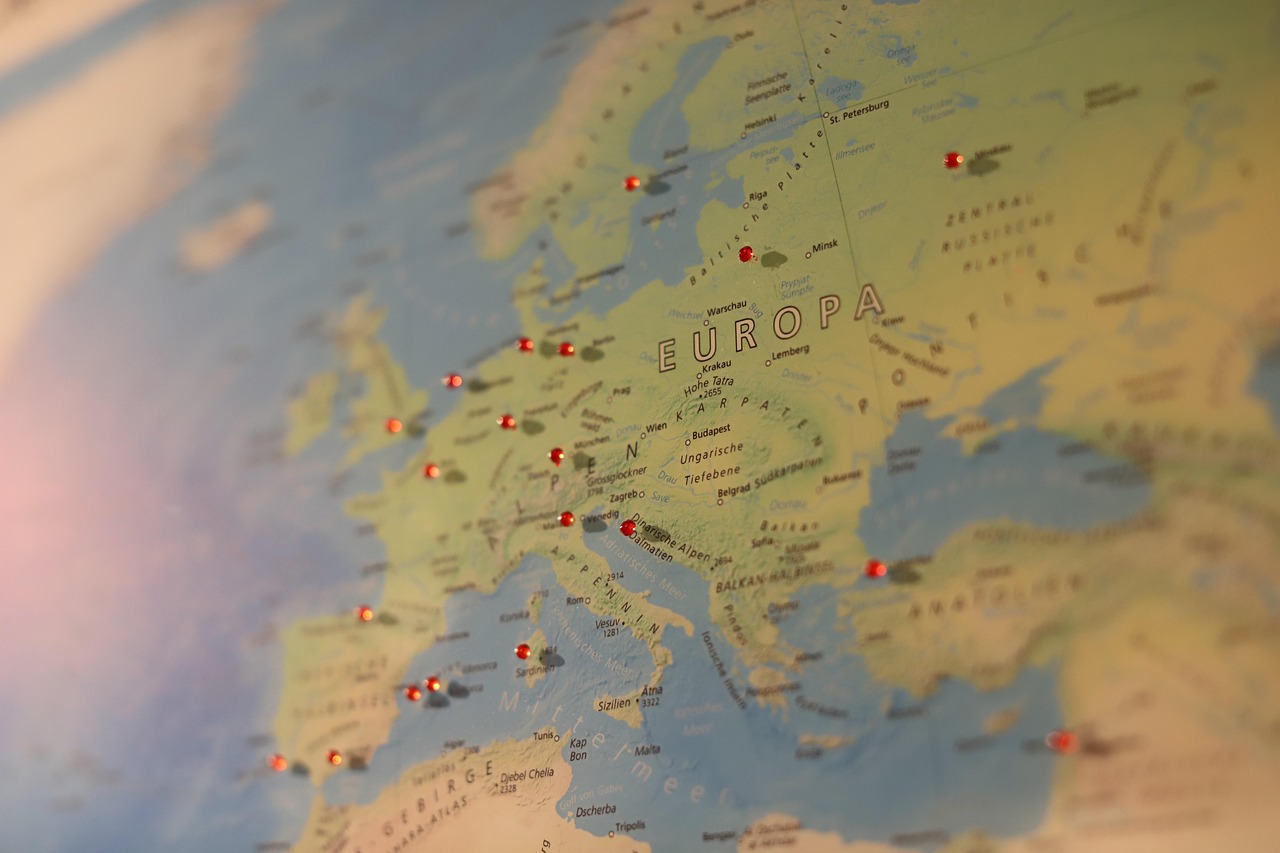
If you are wondering which are the best countries to visit in europe for first timers, this guide breaks down the choices by interest, budget and ease of travel.
We looked at factors like transport links, language friendliness, typical daily costs and the variety of experiences each country offers to newcomers.
Below you will find our picks for the best countries to visit in europe for first timers grouped by what matters most to you.
How We Picked the best countries to visit in europe for first timers: A Simple Framework
We started with three questions that help narrow the list. First, how easy is it to get around without speaking the local language fluently? Countries with widespread English and reliable public transport score higher. Second, what kind of experiences do you want? Culture lovers look for museums, historic centres and food scenes, while nature fans prioritize coastlines, mountains or lakes. Third, what is your daily budget? We considered average hostel prices, meal costs and typical attraction fees to flag places that keep expenses predictable.
From there we built shortlists for each interest group and checked seasonal weather patterns to avoid extremes that could disrupt a first trip. The result is a balanced set of options that lets you match your priorities without overcomplicating the decision.
For example, if you value walkable cities and train connections, Italy and France appear early. If you prefer affordable accommodation and lively nightlife, Poland and Hungary rise to the top. The next sections detail each group.
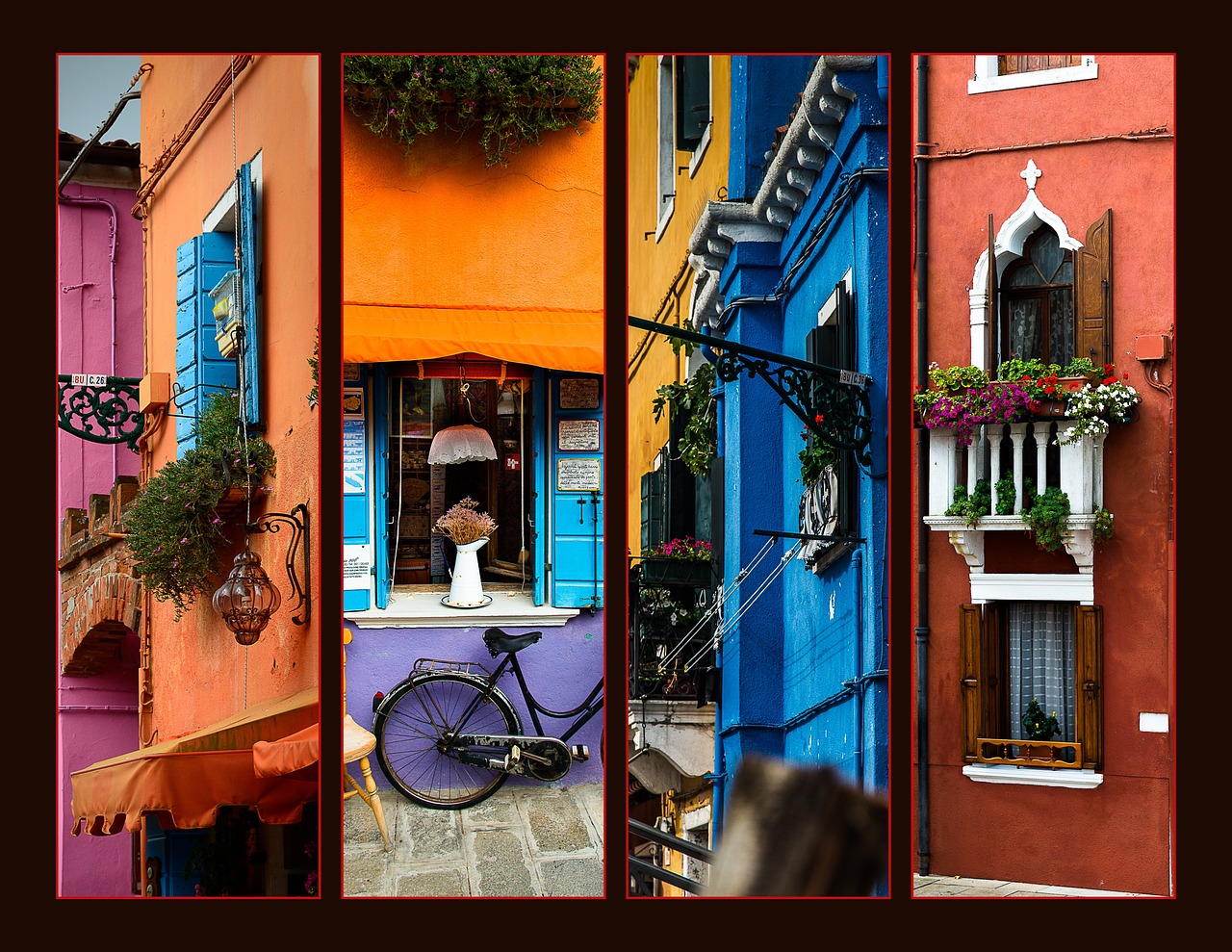
best countries to visit in europe for first timers Who Love Culture & History
This section focuses on destinations where art, architecture and cuisine are woven into everyday life. The countries below offer multiple cities that can be combined in a single trip, making them ideal for travellers who want depth without constant relocation.
Italy: Rome, Florence & the Amalfi Coast for the best countries to visit in europe for first timers
Rome gives you ancient ruins, vibrant piazzas and world‑class museums all within a compact centre. A short train ride north brings Florence, where Renaissance art fills the Uffizi and the Duomo dominates the skyline. Further south, the Amalfi Coast offers cliffside villages, lemon groves and ferry links to Capri. Travel between these bases is straightforward on high‑speed trains or regional buses, and English is widely spoken in tourist areas.
When planning your days, consider allocating two full days to Rome, two to Florence and three to the coast to avoid rushing. Food highlights include pasta carbonara in Rome, Florentine steak and gelato everywhere, and fresh seafood along the coast. If you enjoy walking, the historic centres are pedestrian‑friendly, though cobblestones can be uneven.
France: Paris, Provence & the Riviera for the best countries to visit in europe for first timers
Paris remains a gateway for first‑time visitors with its iconic landmarks, extensive metro system and countless cafés. From the city, TGV trains reach Provence in about three hours, opening up lavender fields, hilltop villages and the historic city of Avignon. A further train or drive takes you to the French Riviera, where Nice, Cannes and Monaco offer beaches, markets and a Mediterranean vibe.
Language wise, many Parisians speak English in hotels and attractions, while in smaller towns a few basic French phrases go a long way. Budget wise, Paris can be pricey, but hostels and set‑menu lunches keep costs manageable. Provence and the Riviera tend to be slightly cheaper outside peak summer, especially if you stay in family‑run guesthouses.
For a first timer, a seven‑day split works well: three days in Paris, two in Provence and two on the coast. This rhythm lets you experience urban energy, countryside calm and seaside relaxation without feeling rushed.

best countries to visit in europe for first timers Seeking Nature & Beaches
If your idea of a perfect trip includes hiking trails, ocean swims or dramatic landscapes, these countries deliver varied scenery with good infrastructure for newcomers.
Portugal: Lisbon, Porto & the Algarve for the best countries to visit in europe for first timers
Lisbon’s tram network and steep neighbourhoods give the city a distinct character, while nearby Sintra offers palaces and forested trails. Porto, to the north, is famous for its port wine cellars and Ribeira district along the Douro River. The Algarve in the far south presents golden beaches, limestone cliffs and quiet fishing towns.
Trains connect Lisbon to Porto in under three hours, and regular buses or rental cars reach the Algarve from either city. English is common in tourism sectors, and the cost of meals and accommodation tends to be lower than in western Europe. A typical day might include a morning museum visit, an afternoon beach walk and an evening of petiscos (small plates) in a local tavern.
For first timers, we suggest spending two days in Lisbon, two in Porto and four to five in the Algarve to enjoy both city life and coastal relaxation.
Greece: Athens, Santorini & Corfu for the best countries to visit in europe for first timers
Athens provides ancient sites like the Acropolis, lively markets and easy access to ferry ports. Santorini, reachable by a short flight or ferry, is known for its caldera views, whitewashed towns and volcanic beaches. Corfu, in the Ionian Sea, offers lush landscapes, Venetian‑style architecture and quieter shores.
Ferries run frequently between the mainland and islands, and domestic flights link Athens to Santorini in under an hour. English is widely spoken in tourist areas, and daily costs can be moderate if you choose tavernas over upscale restaurants. Keep in mind that summer months bring crowds and higher prices, so late spring or early autumn often provide a better balance.
A sensible itinerary for a first trip might be two days in Athens, three in Santorini and three in Corfu, allowing time for island hopping without excessive travel fatigue.
Spain: Barcelona, Madrid & Palma de Mallorca for the best countries to visit in europe for first timers
Barcelona delights with Gaudí architecture, bustling La Rambla and nearby beaches. Madrid, the capital, offers world‑class museums, expansive parks and a vibrant tapas scene. Palma de Mallorca, the island’s capital, combines historic streets, coastal walks and inland villages.
High‑speed trains connect Barcelona to Madrid in about three hours, and frequent flights or ferries reach Mallorca from either city. English is common in hotels and major attractions, while Spanish phrases help in local markets. Costs vary: Barcelona and Madrid can be pricey in peak season, but Mallorca often provides better value for accommodation outside July and August.
For a first timer, consider three days in Barcelona, two in Madrid and three on Mallorca. This mix gives you urban culture, artistic heritage and beach relaxation.
If you want to explore more of the Balearics, a quick look at places to visit in menorca adds a quieter sister island with prehistoric sites and pristine coves.
Iceland: Reykjavik, Golden Circle & South Coast for the best countries to visit in europe for first timers
Reykjavik serves as a compact base with a walkable centre, geothermal pools and a lively music scene. The Golden Circle route—Thingvellir National Park, Geysir geothermal area and Gullfoss waterfall—can be done in a day by tour bus or rental car. Extending east along the South Coast brings black sand beaches, basalt columns and the glacier lagoon at Jökulsárlón.
Public buses run between major sites, though many visitors opt for guided tours that include equipment and expertise. English is spoken almost everywhere, and the cost of food and lodging is higher than in mainland Europe, reflecting the remote location. Travelers should prepare for changeable weather, even in summer, and book accommodations well in advance.
For a first timer, a four‑day stay works well: two days in Reykjavik and surroundings, one day on the Golden Circle and one day exploring the South Coast. This schedule lets you experience geothermal wonders, volcanic landscapes and coastal scenery without feeling rushed.
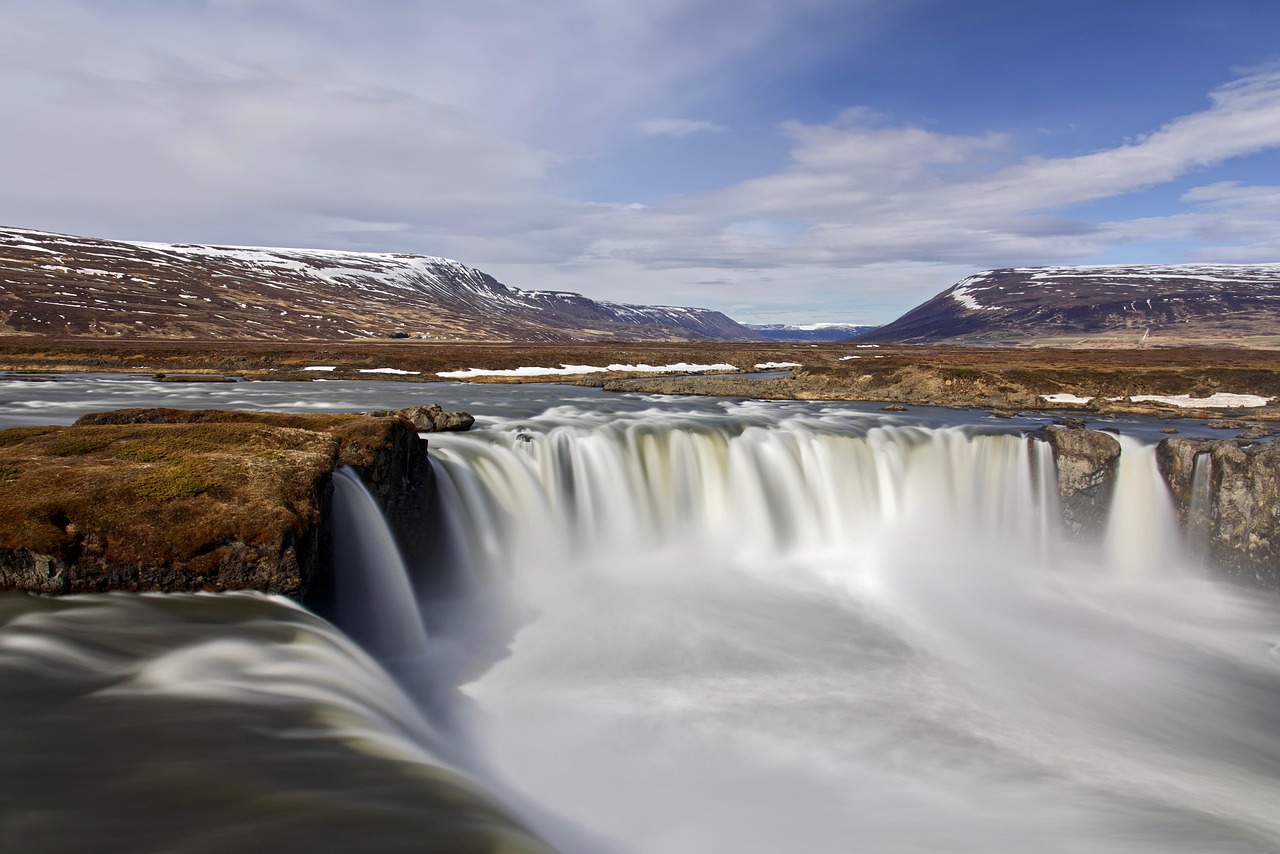
best countries to visit in europe for first timers on a Budget
Travelling on a limited budget does not mean missing out on highlights. These countries offer low‑cost hostels, affordable meals and plenty of free or low‑priced attractions.
Poland: Krakow, Warsaw & the Tatra Mountains for the best countries to visit in europe for first timers
Krakow’s medieval core, Wawel Castle and vibrant Kazimierz district are easy to explore on foot. Warsaw, rebuilt after World War II, presents a modern skyline alongside historic Old Town squares. The Tatra Mountains to the south offer hiking trails, wooden chalets and stunning alpine vistas.
Trains link Krakow to Warsaw in under three hours, and regular buses or trains reach Zakopane, the gateway to the Tatras, in about four hours. English is common in hotels, tourist information centres and younger generations. Daily costs are among the lowest in Europe, with dormitory beds often under €15 and hearty meals under €8.
A balanced first trip could spend two days in Krakow, two in Warsaw and three in the Tatras, using the mountains as a natural break between city visits.
Hungary: Budapest, Lake Balaton & Wine Regions for the best countries to visit in europe for first timers
Budapest straddles the Danube with Buda’s historic hills and Pest’s lively avenues. Thermal baths, ruin bars and the Parliament building are highlights that can be enjoyed without spending much. Lake Balaton, Central Europe’s largest freshwater lake, offers beaches, sailing and cycling routes. The surrounding wine regions, such as Tokaj and Villány, provide cellar tours and tastings at modest prices.
Trains run frequently between Budapest and Lake Balaton, and regional buses reach the wine towns. English is widely spoken in hospitality sectors, and costs remain friendly: private rooms in guesthouses often start around €20 per night, and local dishes like goulash are filling and inexpensive.
For a first timer, we recommend two days in Budapest, two at the lake and two exploring the wine villages. This rhythm lets you experience city energy, water relaxation and countryside flavour without long travel days.
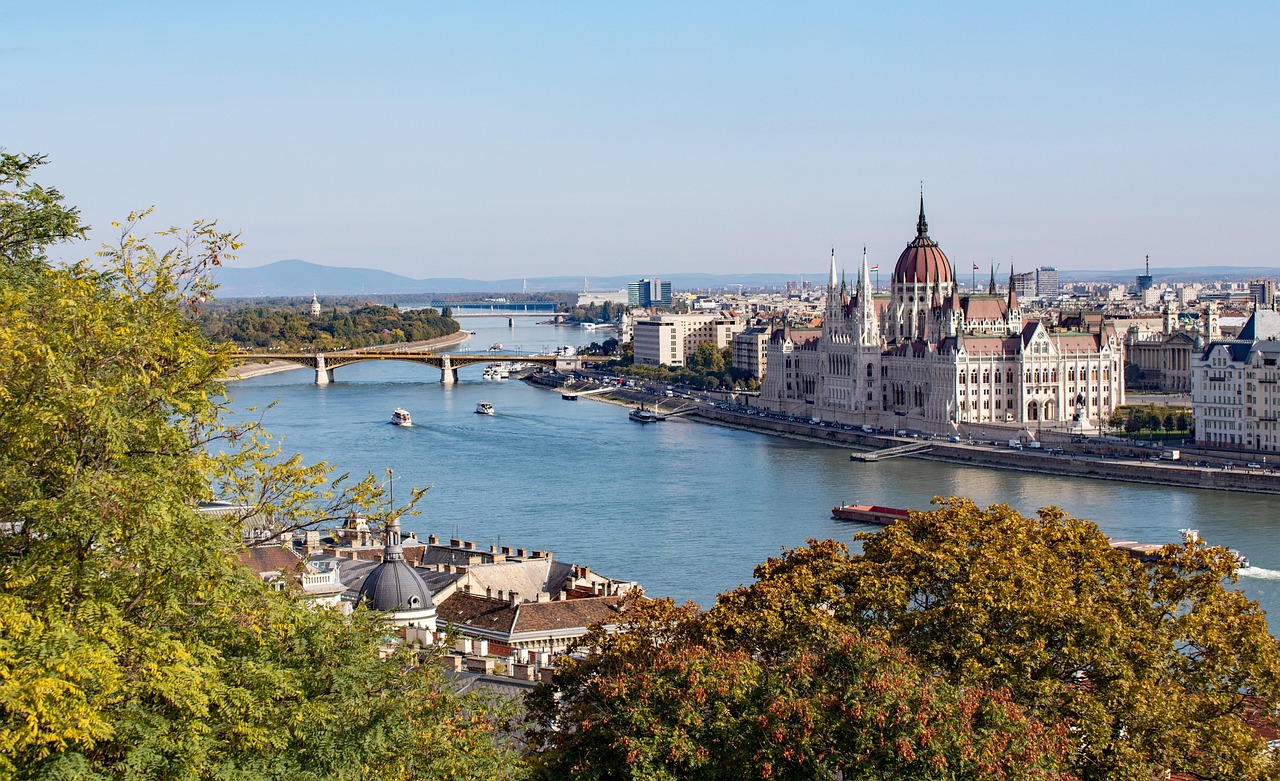
Where to Stay in Europe for First-Timers: Best Neighborhoods & Bases for the best countries to visit in europe for first timers
Choosing the right base can save time and enhance your experience. Look for neighbourhoods with good transit links, safety ratings and a mix of dining options.
In Rome, the area around Termini station offers easy train access and many budget hostels. In Paris, the Latin Quarter places you near the metro, universities and lively cafés. Lisbon’s Baixa district puts you within walking distance of tram lines and riverside promenades. Budapest’s District V (Belváros‑Lipótváros) sits close to major sights and riverfront walks.
If you prefer a more relaxed vibe, consider staying in a smaller town that serves as a hub for day trips. Examples include Sintra near Lisbon, Avignon for Provence or Salzburg for exploring the Austrian Alps. These locations often have lower nightly rates while still providing reliable connections to larger cities.
When booking, read recent reviews for cleanliness and Wi‑Fi quality, and check cancellation policies in case your plans change. For a quick comparison of options, you can visit our travel‑tips page for advice on assessing neighbourhoods.
To secure your accommodation, you might want to compare places to stay in Granada before you finalise your choice.
Getting to and Around Europe: Flights, Trains & Local Transport for the best countries to visit in europe for first timers
Reaching Europe and moving between countries has become straightforward thanks to budget airlines, extensive rail networks and clear signage.
Major hubs such as London, Frankfurt, Amsterdam and Madrid host numerous low‑cost carriers that offer one‑way fares under €50 when booked several weeks ahead. For travellers coming from North America or Asia, flying into a western European hub and then taking a train to your first destination often saves time and money.
Within the Schengen Area, many countries allow passport‑free travel, and rail passes like Eurail can be cost‑effective if you plan multiple train journeys. Regional trains and buses connect smaller towns, while city metros and trams handle urban travel. In places like Iceland or Malta, renting a car provides the most flexibility, though parking fees and narrow streets should be considered.
Language barriers are minimal in tourist zones; signage is often multilingual and staff in hotels, museums and train stations usually speak English. For real‑time navigation, downloading offline maps and checking local transport apps before you travel helps avoid confusion.
If you need a reliable airport transfer, you can arrange a airport transfer in Barcelona to reach your hotel quickly after landing.
For those interested in guided experiences, a tour operator offers day trips that combine transport, entry fees and local insight—ideal for first timers who prefer a structured start.
First-Timer Essentials: ETIAS, Best Time to Visit & Sustainable Travel for the best countries to visit in europe for first timers
Before you pack, it’s worth reviewing a few practical points that affect every visitor to Europe.
Starting in 2024, the European Travel Information and Authorisation System (ETIAS) will require visa‑exempt travellers to obtain an online authorization before arrival. The process is straightforward: fill out a short form, pay a modest fee and receive approval via email, usually within minutes. Keep a copy of the authorization on your phone or printed out.
The best time to visit depends on your interests. Late spring (May‑June) and early autumn (September‑October) generally offer mild weather, fewer crowds and lower prices across most countries. Summer brings warm beaches and long daylight hours but also peak crowds and higher accommodation costs, especially in Mediterranean destinations. Winter suits city breaks, Christmas markets and ski regions, though daylight is shorter and some northern attractions may have limited hours.
Sustainable travel is increasingly easy to practice. Choose trains over short flights when possible, stay in eco‑certified hostels or hotels, and support local markets by buying fresh produce and handicrafts. Many cities now offer bike‑share schemes and walking tours that reduce environmental impact while letting you see the sights up close.
For a handy packing checklist, you can refer to our Europe travel essentials guide, which lists items ranging from adapters to reusable water bottles.
To stay connected without excessive roaming charges, consider an data plan for europe that works across multiple countries.
FAQ: best countries to visit in europe for first timers
How many countries should a first timer visit in one trip?
For a two‑week itinerary, two to three countries is a comfortable pace. This allows you to explore each destination deeply without spending excessive time in transit. If you have three weeks, adding a fourth country—perhaps a neighbouring one with good train connections—can work well.
Which countries are easiest for English‑speaking first timers