
Disclosure: this post contains affiliate links. If you book through them, I may earn a small commission at no extra cost to you.
Why This Andalusia Road Trip Itinerary Works
Planning an Andalusia Spain itinerary is less about packing every famous landmark into two weeks and more about managing your energy across a diverse region. This guide focuses on a logical loop that minimizes backtracking, allowing you to absorb the culture, food, and scenery without spending half your day in traffic. I’ve structured this Andalusia Spain itinerary to balance big cities like Seville and Granada with the slower pace of the white villages and coastal towns.
The Logical Loop: Avoiding Backtracking
The most common mistake travelers make is zig-zagging between inland cities and the coast inefficiently. This route follows a counter-clockwise loop: starting in Seville, moving north to Granada, down to Ronda, west to the coast via Jerez and Cadiz, and back to Seville. This flow keeps you moving in one direction for the most part, saving valuable hours. It also lets you finish your trip in Seville, which is a major hub with direct flights, making departure easier. If you prefer the reverse, you can flip it, but the logic remains the same: group geographically close destinations to reduce drive time. This Andalusia Spain itinerary ensures you maximize your time on the road.
Best Time to Drive in Andalusia
Spring (April to June) and Autumn (September to October) are the sweet spots for this Andalusia Spain itinerary. Summer heat in Seville or Cordoba can be overwhelming, often pushing people indoors or into bars for much of the afternoon. Winter is cooler and quieter, but some village facilities may have reduced hours. For a road trip, shoulder seasons mean pleasant driving temperatures, blooming landscapes in spring, and manageable crowds at major sites like the Alhambra. Always check local event calendars, as ferias (festivals) can complicate parking and accommodation availability. Choosing the right season is crucial for any Andalusia Spain itinerary.
Pre-Trip Essentials: Car Rental and Driving Tips
Driving is the best way to experience the depth of Andalusia, from the major cities to the remote Sierra villages. However, the driving culture differs from what you might be used to if you are coming from North America or Northern Europe. A few specific preparations will make your journey smoother. I recommend renting a compact car rather than an SUV; the streets in old towns are narrow, and you will rarely need off-road capability. Ensure you have an International Driving Permit if your license is not from the EU, as police checks can happen. Book your car in advance, especially if traveling in peak season, to secure better rates. Proper preparation is key to a successful Andalusia Spain itinerary.
Parking, Tolls, and Fuel Costs in Spain
Parking is the biggest headache in cities like Seville, Malaga, or Granada. In the historic centers, free parking is scarce. Look for “Zona Azul” (blue zone) parking, which requires a ticket from a meter or app, usually valid for a couple of hours. Underground garages are more expensive but safe and convenient. Outside city centers, free parking is common, but be cautious of restricted zones. Tolls are minimal in Andalusia compared to other parts of Spain, but always have a credit card ready as some tolls are electronic. Fuel costs fluctuate, so check prices at different stations; major highways often have cheaper fuel than city centers. Keep some cash on hand for smaller rural gas stations. Understanding these costs helps budget your Andalusia Spain itinerary effectively.
Days 1-4: Seville and the Guadalquivir Route
Your Andalusia Spain itinerary begins in Seville, the capital of the region. It is a city of dramatic contrasts, from the opulent Royal Palace to the vibrant Triana neighborhood. Taking a few days here first allows you to pick up your rental car after settling in, or if you prefer, you can drop off your car at the airport and walk for the first day. The Guadalquivir River runs through the city, offering beautiful sunset views. Seville is intense and colorful, so take time to walk and absorb the atmosphere before hitting the highway. Starting in Seville is a standard choice for this Andalusia Spain itinerary.
Day 1: Arrival and Old Town Exploration
Spend your first day walking the heart of Seville. Start at the Plaza de España, a massive semi-circular plaza with tiled bridges and canals. It is incredibly photogenic and a good way to orient yourself. Walk to the Alcázar, a stunning Moorish palace that requires booking in advance. In the evening, head to the Cathedral and Giralda tower. The light here in the late afternoon is warm and golden, perfect for photos. Eat tapas in the Triana neighborhood, just across the river. The vibe is relaxed, and the food is often more authentic and less touristy than in the city center. This day sets the tone for your Andalusia Spain itinerary.
Day 2: Day Trips to Triana and Dos Hermanas
Use this day to explore the quieter side of Seville. Triana is famous for its ceramics and flamenco tradition. Visit the ceramics workshops and enjoy a coffee in a small plaza. If you want to see a different side of the region, a short drive to Dos Hermanas offers a glimpse of modern Andalusia. It is a large city with a rich history, including the birthplace of Pope John Paul II. The drive is short, and you can return to Seville by evening. Alternatively, spend the day in the Parque de María Luisa, a beautiful garden perfect for a slow afternoon stroll and people-watching. This flexibility is a benefit of a well-planned Andalusia Spain itinerary.
Day 3: Drive to Cordoba
The drive from Seville to Cordoba takes about 45 minutes to an hour via the A-4 highway. It is an easy transition. Cordoba is smaller than Seville but has a deeper Roman and Moorish history. Park the car in a garage near the old town. Spend the afternoon exploring the Judería, the old Jewish quarter. The streets are narrow and winding, with white-washed houses and orange trees. The atmosphere is calmer here, and the architecture is distinct. Try a cold glass of Vermouth, a local specialty, at a traditional bar. This is a great day to unwind after the arrival and start exploring the historic core. Moving to Cordoba is a key step in this Andalusia Spain itinerary.
Day 4: Cordoba Highlights and Local Eats
Start your day at the Mezquita-Cathedral, one of the most unique buildings in Spain. The forest of red and white arches is awe-inspiring. Make sure to book tickets online to skip the line. Afterward, walk to the Patio de las Ninfas, a hidden garden with a fountain. For lunch, try local dishes like salmorejo, a thick cold tomato soup, or cocido andaluz, a hearty stew. In the evening, explore the Roman Bridge, which offers great views of the city across the Guadalquivir. The lights reflecting on the water at dusk are one of the best sights in the region. Enjoying Cordoba is a highlight of any Andalusia Spain itinerary.
Days 5-8: Granada, Ronda, and the White Villages
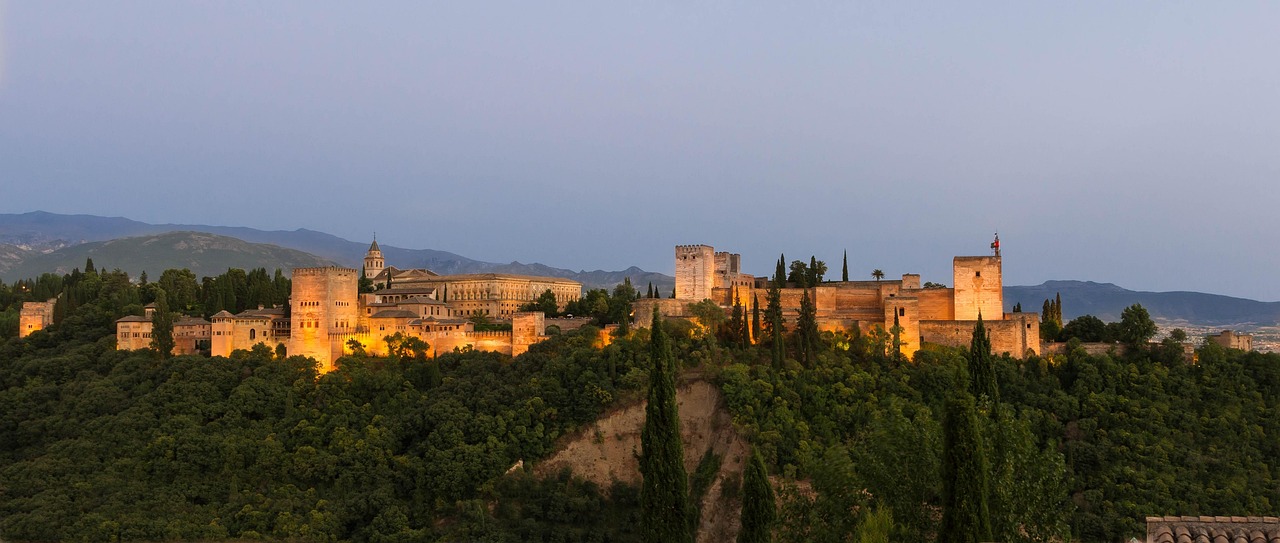
This section of your Andalusia Spain itinerary moves north into the mountainous terrain. The drive from Cordoba to Granada is scenic, winding through hills and villages. Granada is home to the Alhambra, a must-see site that requires strict advance booking. After Granada, you head down to Ronda, a town perched on a massive gorge. The route includes stops at white villages, which are iconic to the region. This part of the trip is about scenery, history, and the contrast between the grandeur of Granada and the rustic charm of the villages. The northern leg is essential for a complete Andalusia Spain itinerary.
Day 5: Drive to Granada and Alhambra Tips
Drive from Cordoba to Granada, a journey that takes about 1 hour and 15 minutes. Upon arrival, park your car and settle into your accommodation. The most critical task is ensuring you have your Alhambra tickets booked for the next day or a future date. Tickets sell out weeks in advance, so do not leave this to chance. Visit the Albayzín neighborhood, a hillside district with beautiful views of the Alhambra. Look for the Mirador de San Nicolás for the classic photo spot. The atmosphere here is intimate and historic. You are not walking around every corner in this area; it is about soaking in the ambiance. Arriving in Granada is a pivotal moment in this Andalusia Spain itinerary.
Day 6: Granada City and Sacromonte Caves
Spend the morning visiting the Alhambra, if your tickets are for today, or explore the city if you have already seen it. The Generalife gardens are a peaceful retreat within the complex. In the afternoon, head to the Sacromonte caves. These are traditional caves used by the Gitano people for centuries. You can take a guided tour to learn about the history and culture. Many tours include a small flamenco show, which is an authentic experience. For more details on things to do in the city, check out our Granada, Spain: Best Things To Do. In the evening, enjoy a traditional Andalusian dinner with local wines and tapas. Exploring Granada deeply enriches your Andalusia Spain itinerary.
Day 7: The Scenic Drive to Ronda
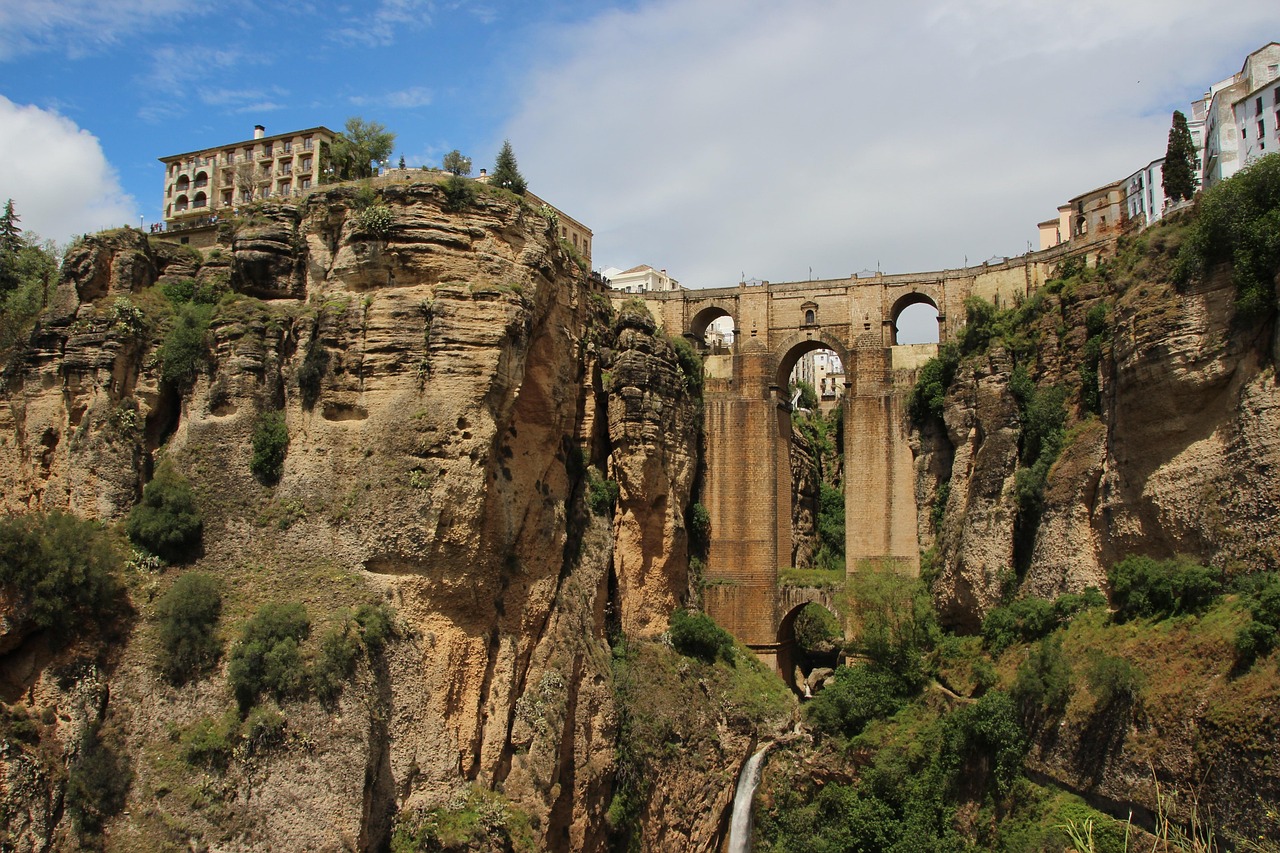
The drive from Granada to Ronda is one of the highlights of any Andalusia Spain itinerary. It takes about 1 hour and 45 minutes, but the route is not direct. You will pass through the Sierra de las Nieves, a protected area with lush forests and mountains. Stop in the village of Setenil de las Bodegas, which is unique because many houses are built under or inside a massive rock overhang. The architecture here is like nothing else in Andalusia. For a deeper look at this unique village, see our guide on Setenil de las Bodegas: The Cave Village of Spain. Continue to Ronda, where the town is split by the El Tajo gorge. Park the car and walk to the hotel. This scenic route is a defining feature of the Andalusia Spain itinerary.
Day 8: Ronda Bridges and Nearby Pueblos Blancos
Ronda is a town of bridges and cliffs. Start with the Puente Nuevo, the new bridge that spans the gorge. The views are dramatic. Visit the bullring, one of the oldest in Spain. In the afternoon, drive to nearby white villages like Zahara de la Sierra or Grazalema. These are smaller, quieter, and perfect for a peaceful walk. The architecture is simple white stone with wooden balconies. The air is cooler here, especially in the evenings. Return to Ronda for dinner, trying local game dishes like wild boar or rabbit. The pace in Ronda is slow, allowing you to rest before the next leg of the journey. Visiting Ronda is a memorable part of this Andalusia Spain itinerary.
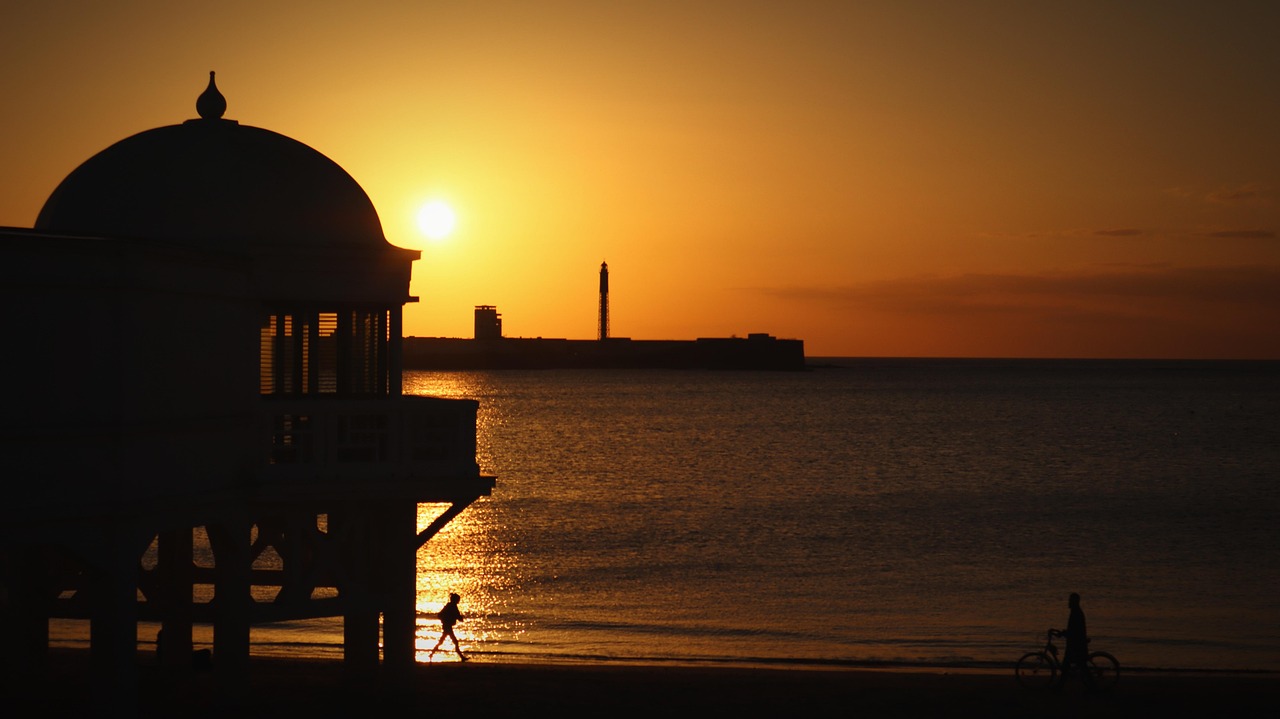
Days 9-12: Malaga, Jerez, and the Coast
Now your Andalusia Spain itinerary heads west toward the coast. The drive from Ronda to Malaga is short but through mountainous terrain. Malaga is a vibrant port city with a growing arts scene. After Malaga, you move inland to Jerez de la Frontera, a town famous for sherry and horses. This section blends coastal relaxation with cultural immersion. The contrast between the beach life of Malaga and the traditional equestrian culture of Jerez is striking. Make sure to plan your time in Jerez carefully, as sherry tours require bookings. The coastal segment is vital for a balanced Andalusia Spain itinerary.
Day 9: Drive to Malaga
The drive from Ronda to Malaga takes about 45 minutes. Malaga is a major city, so traffic can be heavy. Park your car in a central garage and explore on foot. Start at the Alcazaba, a Moorish fortress with great views of the bay. The city center is lively, with many cafes and restaurants. The Gibralfaro hill offers panoramic views of the city and the sea. In the evening, walk along the Muelle Uno shopping area or the Port. The atmosphere is relaxed and modern. Malaga is a good place to pick up supplies or enjoy a seafood dinner by the water. The city is compact enough to see a lot in one day without feeling rushed. Arriving in Malaga marks a shift in your Andalusia Spain itinerary.
Day 10: Malaga Beaches and Picasso Museum
Malaga is the birthplace of Pablo Picasso. The Picasso Museum is a must-visit for art lovers, housing a significant collection of his works. The museum is in a former palace, and the building itself is beautiful. If you are not into art, spend the day at the beach. El Palo and Pedregalejo are two neighborhoods with beautiful beaches and a more local feel. The water is clear, and the atmosphere is laid-back. You can rent a bike and ride along the coast. In the evening, enjoy tapas in a traditional bar. Malaga is a good place to recharge before heading to the more rural areas of Jerez. The city offers a mix of culture, history, and beach relaxation. Enjoying Malaga is a highlight of this Andalusia Spain itinerary.
Day 11: Drive to Jerez de la Frontera
The drive from Malaga to Jerez de la Frontera takes about 45 minutes. Jerez is a smaller city, and the drive is straightforward. Upon arrival, park your car and explore the old town. The city is known for its three P’s: sherry, horses, and flamenco. Visit the Plaza de Toros, which is one of the most beautiful in Spain. The architecture here is elegant and traditional. In the afternoon, take a walk in the Parque de María Luisa, a large green space in the city. The atmosphere in Jerez is different from Malaga; it is more traditional and slower-paced. This is a good place to immerse yourself in the local culture without the crowds of the big cities. Moving to Jerez is a key step in your Andalusia Spain itinerary.
Day 12: Sherry Tours and Flamenco in Jerez
Jerez is the capital of sherry. Spend your morning visiting one of the bodegas (wineries) for a tour and tasting. The most famous are Tio Pepe, Gonzalez Byass, and Sandeman. Each has its own style and history. The tours are educational and interesting, even if you are not a wine expert. In the afternoon, visit the Real Escuela Andaluza del Arte Ecuestre, the Royal Andalusian School of Equestrian Art. The horses perform a classical dance that is mesmerizing. Tickets for this show should be booked in advance as they sell out. In the evening, watch a flamenco show in a local bar. Flamenco originated in this region, and the performances here are authentic and passionate. It is one of the most memorable experiences in Andalusia. Experiencing Jerez is a cultural peak in this Andalusia Spain itinerary.
Days 13-16: Cadiz, Cuenca, and Return to Seville
The final leg of your Andalusia Spain itinerary takes you to the oldest city in Western Europe, Cadiz. After that, you have a choice: drive via Cuenca or return directly to Seville. Cuenca is actually in Castilla-La Mancha, not Andalusia, but it is a scenic detour if you have time. If you prefer to stay strictly within Andalusia, drive directly to Seville. The final days are about wrapping up the trip and preparing for departure. Seville is the logical end point for most road trips due to its airport and flight connections. Make sure to leave enough time to return your rental car and catch your flight. The return journey is the final chapter of your Andalusia Spain itinerary.
Day 13: Drive to Cadiz
The drive from Jerez to Cadiz takes about 30 minutes. Cadiz is a coastal city with a rich history dating back to the Phoenicians. The city is flat and walkable, but the streets are narrow. Park your car and explore the old town. Start at the Plaza de Minerva, a quiet plaza with a statue of Minerva. Visit the Catedral de Santa Cruz, one of the oldest cathedrals in Spain. The city has a relaxed, maritime vibe. In the evening, walk along the walls of the old city. The views of the surrounding islands are beautiful. Cadiz is a good place to enjoy seafood and wine by the sea. The atmosphere is peaceful and historic. Visiting Cadiz is a serene part of this Andalusia Spain itinerary.
Day 14: Cadiz Old Town and Beaches
Spending a full day in Cadiz allows you to explore the island of San Fernando or the beaches of La Caleta. La Caleta is a small, picturesque beach with a lighthouse. It is one of the most beautiful beaches in Spain. You can swim in the clear water or just relax on the sand. In the afternoon, take a boat tour to explore the surrounding islands. The views of the city from the water are stunning. Return to the old town for dinner. Try local dishes like cazón en adobo (marinated skate) or chipirones a la andaluza (calamari). The food in Cadiz is fresh and simple. The city is a perfect place to end your road trip and enjoy the coastal atmosphere. Relaxing in Cadiz is a highlight of your Andalusia Spain itinerary.
Day 15: Scenic Drive via Cuenca (or direct return)
If you choose to include Cuenca, the drive from Cadiz to Seville via Cuenca is long, taking about 5 hours or more. Cuenca is famous for its houses hanging over a canyon. It is a UNESCO World Heritage site and worth the detour if you have the time. If you are short on time, drive directly to Seville, which takes about 2 hours. The direct route is straightforward and allows you to arrive in Seville with plenty of time to explore. If you do go to Cuenca, spend a day exploring the old town and the hanging houses. The views are dramatic and unique. This is a more ambitious route, so plan accordingly. If you prefer to keep the trip within Andalusia, the direct return is the better choice. The choice of route depends on your specific Andalusia Spain itinerary goals.
Day 16: Final Day in Seville and Departure
Your final day in Seville is for wrapping up. If you haven’t seen the Royal Palace or the Alcázar, now is the time. Alternatively, spend the morning in the Triana neighborhood for a last taste of local life. Buy some souvenirs, such as ceramics or olive oil. Return your rental car at the airport, allowing extra time for the drive back. Arrive at the airport with ample time to check in and go through security. Seville airport is well-connected to many destinations. As you leave, you will have experienced the best of Andalusia, from the grandeur of Granada to the charm of the white villages. This Andalusia Spain itinerary offers a balanced mix of history, culture, and natural beauty. Completing this Andalusia Spain itinerary leaves you with unforgettable memories.
Where to Stay and Get Around: Practical Logistics
Accommodation and transport logistics are crucial for a smooth road trip. In cities, staying in the old town is convenient but can be noisy. In villages, staying in a parador or a traditional finca offers a unique experience. For getting around, having a car gives you freedom, but public transport is also an option in major cities. Understanding the local transport systems can save you time and money in certain situations. Always check the opening hours of attractions, as they can vary by season. Booking accommodation in advance is recommended, especially in popular areas like Ronda or Jerez. Good logistics support any Andalusia Spain itinerary.
Recommended Accommodations for Each Stop
In Seville, look for hotels in the Centro or Triana districts. These areas are walkable and close to major attractions. In Granada, stay near the Albaicín or the center for easy access to the Alhambra. In Ronda, choose a hotel with a view of the gorge for a memorable stay. In Malaga, stay near the port or the Picasso Museum. In Jerez, look for accommodations near the old town or the sherry bodegas. In Cadiz, stay in the old town for easy access to the beaches and historical sites. Compare places to stay in Andalusia before booking to find the best value. Many hotels offer free cancellation, which is useful if your plans change. Consider staying in a parador in Ronda or Cuenca for a unique experience. Choosing the right stay enhances your Andalusia Spain itinerary.
Airport Transfers and Local Transport Alternatives
For airport transfers, you can use a taxi or a pre-booked transfer service. Taxis in Spain are metered, and the fares are reasonable. For longer distances, such as from Seville to Cordoba, you can use a bus or train. The train is a comfortable and scenic way to travel between major cities. However, for the white villages and remote areas, a car is essential. Public transport does not reach many of these destinations. If you do not want to drive, consider a guided tour for specific days, such as the Alhambra or the white villages. This can save you the hassle of parking and navigating. For local transport within cities, taxis and rideshare apps are widely available. Book a airport transfer service if you prefer a stress-free arrival. Always have a backup plan for transport, especially in remote areas. Efficient transport is key to a successful Andalusia Spain itinerary.
Frequently Asked Questions About Your Andalusia Road Trip
Travelers often have specific questions about planning a road trip in Andalusia. These FAQs address the most common concerns, from the duration of the trip to the practicalities of driving without a car. Understanding these aspects will help you plan your trip with more confidence. The region is diverse, so the answers may vary depending on your specific interests and travel style. Consider your priorities when planning your Andalusia Spain itinerary. Do you value history over beaches? Or do you prefer a mix of both? Tailoring the itinerary to your preferences will make the trip more enjoyable. Answering these questions refines your Andalusia Spain itinerary.
Is 2 Weeks Enough for Andalusia?
Two weeks is a sufficient amount of time to experience the highlights of Andalusia. You can cover the major cities and some of the white villages without feeling rushed. If you are interested in deep diving into one area, you might want to extend your stay. For a general overview, 14 days is ideal. It allows you to see the contrast between the cities and the countryside. You can also include a day trip to Gibraltar or Cuenca if you have extra time. The key is to pace yourself and allow time for rest and exploration. Two weeks gives you a comprehensive view of the region. This duration is perfect for a standard Andalusia Spain itinerary.
Can You Drive in Andalusia Without a Car?
Yes, it is possible to travel Andalusia without a car, but it is more challenging. Public transport connects the major cities, such as Seville, Cordoba, Granada, and Malaga. However, reaching the white villages and remote areas requires a car or a guided tour. Buses are available but can be slow and infrequent. Trains are comfortable but do not cover all destinations. If you do not have a car, consider taking tours for specific days to see the villages and lesser-known sites. This can be a viable option if you prefer not to drive. Just be aware that your flexibility will be limited. A car is the best option for a road trip, but it is not the only way to see Andalusia. Adapting your Andalusia Spain itinerary to your transport needs is important.
Ready to start planning? Check out our Travel Tips for more advice on packing and preparing for your trip. This Andalusia Spain itinerary is just the beginning of your adventure. Safe travels. We hope this Andalusia Spain itinerary inspires your journey.