Seville Attractions – 14 Must‑See Highlights
Seville, Spain, is a city that feels like a living museum, where every corner whispers stories of kings, poets, and flamenco nights. If you’re planning a trip to the city, you’ll want a quick roadmap to the places that truly capture its soul.
1. The Royal Alcázar of Seville
The Royal Alcázar is a sprawling palace complex that showcases a stunning blend of Mudéjar, Gothic, Renaissance, and Baroque styles. The intricate tile work, lush gardens, and ornate courtyards make it a feast for the eyes. Don’t miss the Hall of the Ambassadors, a grand hall that once hosted royal banquets.
2. Seville Cathedral & Giralda Tower
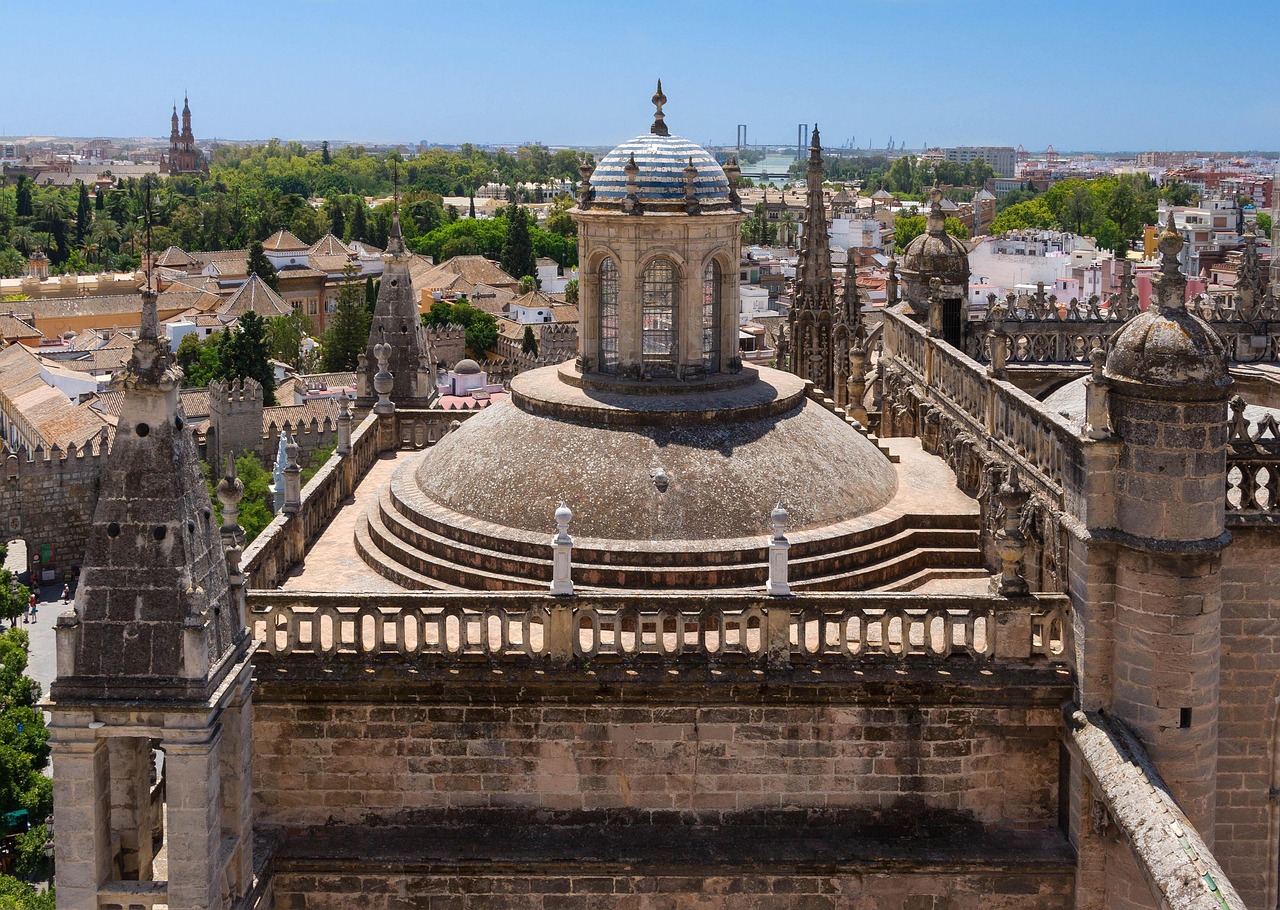
Adjacent to the Alcázar, Seville Cathedral is the largest Gothic cathedral in the world. Its soaring nave and the iconic Giralda bell tower—originally a minaret—offer panoramic views of the city. Inside, you’ll find the tomb of Christopher Columbus, a surprising highlight for history buffs.
3. Plaza de España
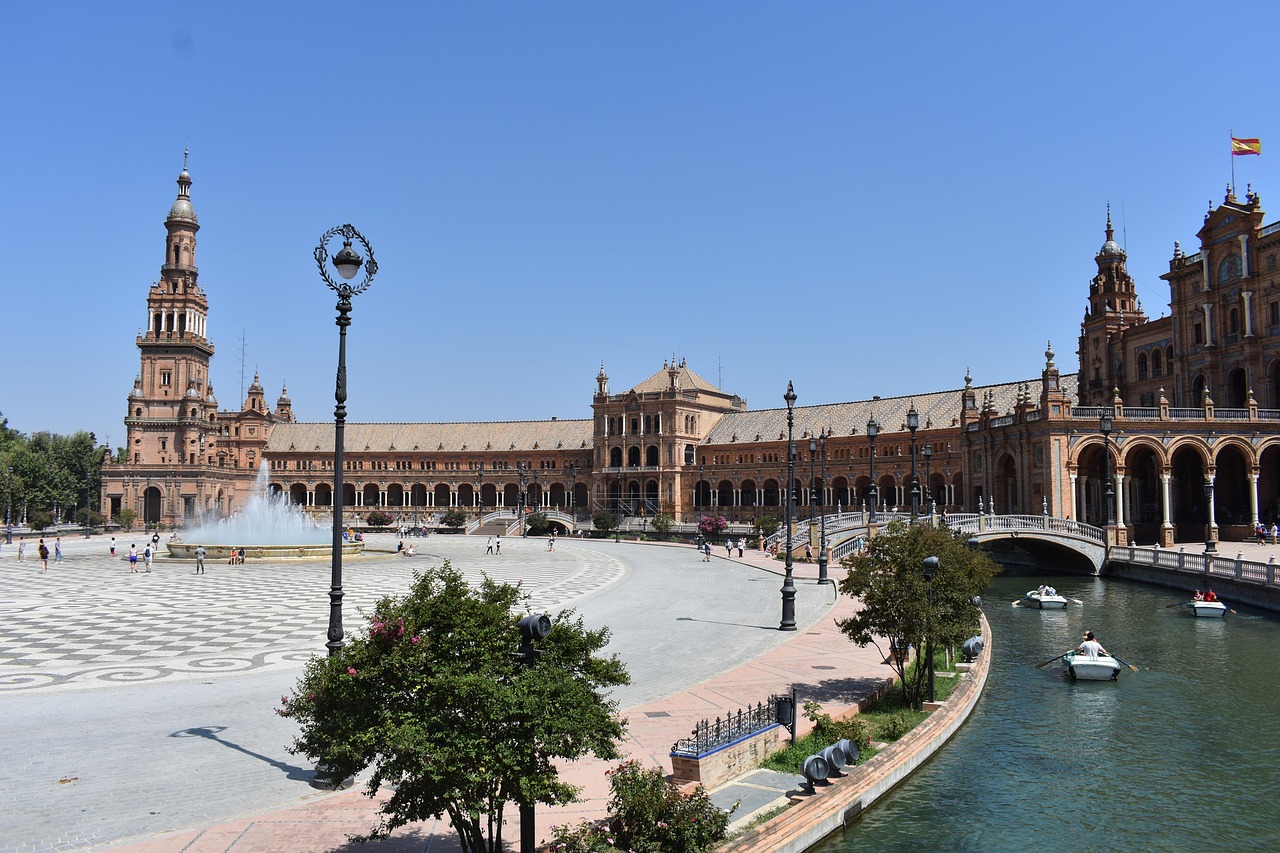
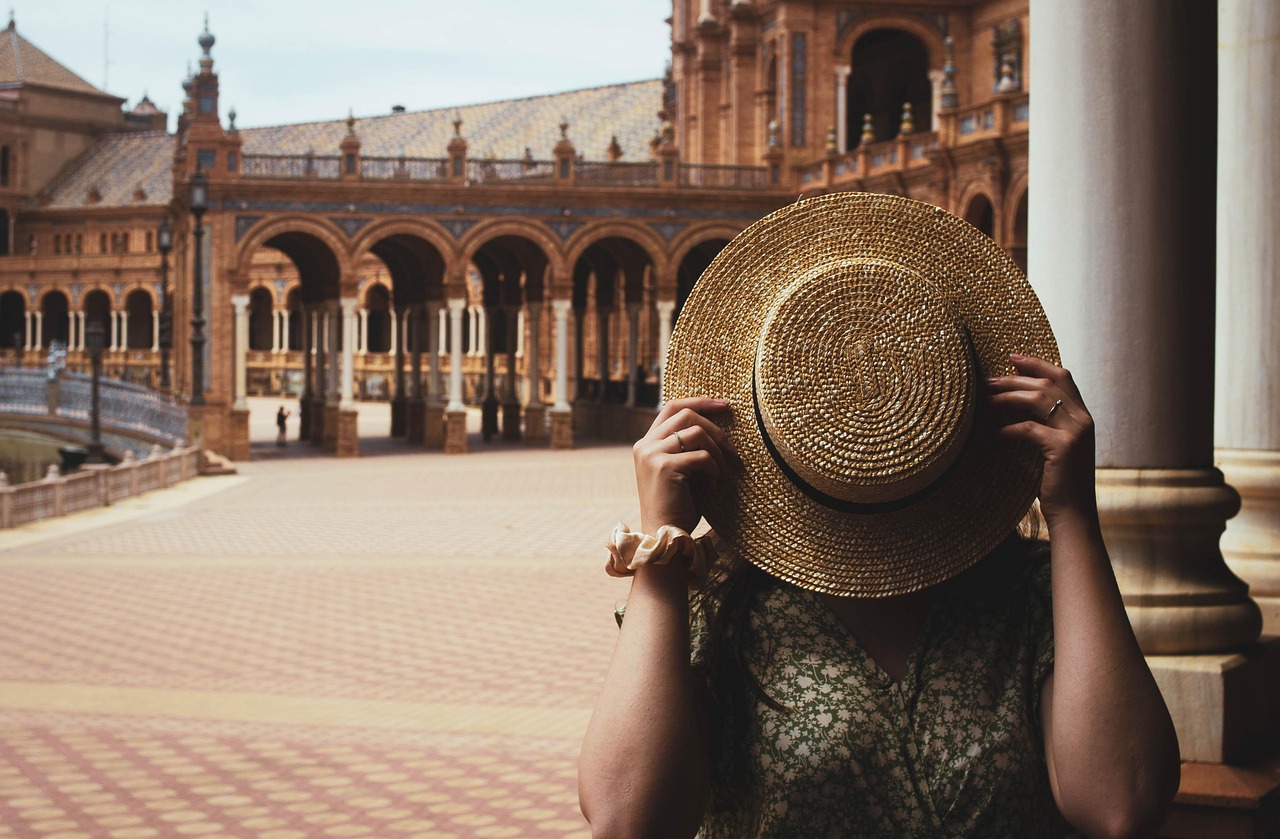
Built for the Ibero-American Exposition of 1929, Plaza de España is a semicircular masterpiece of tile‑clad arches and a central canal. A walk around the plaza feels like stepping into a postcard, with each arch representing a different Spanish province.
4. Santa Cruz Quarter – Seville
Winding cobblestone streets, whitewashed houses, and hidden courtyards define Santa Cruz. This historic Jewish quarter is peppered with cafés, artisan shops, and the picturesque Plaza de los Vinos. It’s the perfect spot for a leisurely afternoon stroll.
5. Metropol Parasol (Las Setas) – Seville
Modern architecture meets tradition in the Metropol Parasol, a wooden canopy that offers a contemporary contrast to Seville’s historic core. The terrace hosts a market on weekends and provides a unique view of the cathedral below.
6. Casa de Pilatos – Seville
Casa de Pilatos blends Andalusian and Florentine influences. The palace’s courtyard is lined with orange trees, and the interior houses a collection of fine art and antiques, including a stunning marble fountain.
7. Triana Neighborhood – Seville
Crossing the Guadalquivir River, Triana is renowned for its pottery, flamenco clubs, and vibrant street life. The neighborhood’s ceramic workshops offer a glimpse into the region’s artistic heritage, while its tapas bars serve some of the best small plates in the city.
8. Archivo de Indias – Seville
Perched on a hill in the heart of Seville, the Archivo de Indias preserves documents related to the Spanish Empire’s colonies. Its library, adorned with frescoes, is a testament to Spain’s maritime past and a quiet place for reflection.
9. Museum of Fine Arts (Museo de Bellas Artes) – Seville
Housed in a former convent, the museum boasts a remarkable collection of Spanish art, from the medieval period to the 20th century. Works by Murillo and Goya sit alongside contemporary pieces, offering a comprehensive view of artistic evolution.
10. Parque de María Luisa – Seville
Surrounding Plaza de España, this expansive park is a green oasis. Its fountains, flowerbeds, and walking paths make it ideal for a relaxing picnic or a leisurely bike ride.
11. Giralda Gardens – Seville
Located beneath the Giralda, these gardens are a tranquil escape from the city’s bustle. With its Mediterranean plants and shaded benches, it’s a great spot for reading or simply soaking up the sun.
12. Seville’s Flamenco Scene
Flamenco is the heartbeat of the city. Catch a live performance in one of the many tablaos, such as Casa de la Guitarra, where passionate dancers and musicians bring the art form to life.
13. The Seville River Cruise
A short boat ride along the Guadalquivir offers a different perspective on the city. You’ll glide past the historic bridges, the cathedral, and the modern Metropol Parasol, all while enjoying a gentle breeze.
14. Sunday Market at Triana – Seville
Every Sunday, the Triana market bursts into life, selling everything from fresh produce to handmade crafts. It’s the best way to taste local flavors and interact with friendly vendors.
When you step into the streets of the city, you’ll notice the blend of old and new—traditional tapas bars sit beside contemporary art spaces. Even if you only have a day in the city, you can pack a taste of its culture, history, and culinary delights.
Best Cafés and Restaurants
The city’s food scene is a celebration of Andalusian flavors. Whether you’re craving classic tapas or avant‑garde cuisine, the city offers a spectrum of dining options.
- El Rinconcillo – The oldest tapas bar in Seville, known for its jamón ibérico and patatas bravas.
- La Azotea – A modern spot with an emphasis on fresh, seasonal produce.
- Casa Morales – A family‑run restaurant serving traditional gazpacho and grilled meats.
- Abantal – A Michelin‑starred restaurant that fuses local ingredients with creative plating.
For a quick bite between sights, the Travel Destinations page lists a range of cafés that capture the city’s spirit.
Where to Stay
From boutique hotels in the Santa Cruz Quarter to modern apartments overlooking the river, the city offers a variety of accommodation options. Consider staying near the historic center for easy walking access to most attractions.
Compare places to stay in the city before you book. If you prefer a home‑like feel, look into short‑term rentals in the Triana neighborhood.
How to Visit
The city is straightforward. The city’s public transport network includes trams, buses, and a light rail system that connects the airport with the city centre.
For airport transfers, airport transfers and getting around is a reliable choice, especially if you’re carrying luggage.
The city’s compact centre makes walking a joy, but if you’d like to explore the outskirts or nearby towns, consider renting a car for the flexibility it offers.
To stay connected during your stay, a local mobile data can be a convenient option for real‑time navigation and booking.
How Much Does Seville Cost?
The city is known for its affordability. Meals, public transport, and most attractions are reasonably priced. Budget travelers can comfortably enjoy the city on a daily spend of around €50-70, while those seeking a more luxurious experience might budget €100-150 per day.
Best Time to Visit
The city’s climate is characterized by hot summers and mild winters. The most pleasant months for sightseeing are late spring (April‑May) and early autumn (September‑October) when temperatures hover around 20‑25°C. If you’re a fan of festivals, plan your trip around the Semana Santa (Holy Week) in March or the Feria de Abril (April Fair) for a vibrant cultural immersion.
For those interested in a broader Andalusian itinerary, the Andalusia Road Trip page offers a week‑long plan that includes the city.
For a quick reference on what to pack, the Travel Tips page provides a handy packing list tailored to the city’s climate.
In the end, the city invites you to slow down, taste its flavors, and let the rhythms guide your exploration. Pack your curiosity, and you’ll discover that every alley, every courtyard, and every flamenco beat tells a story worth savoring.