
Top Nature & Hiking Spots in Tenerife Canary Islands
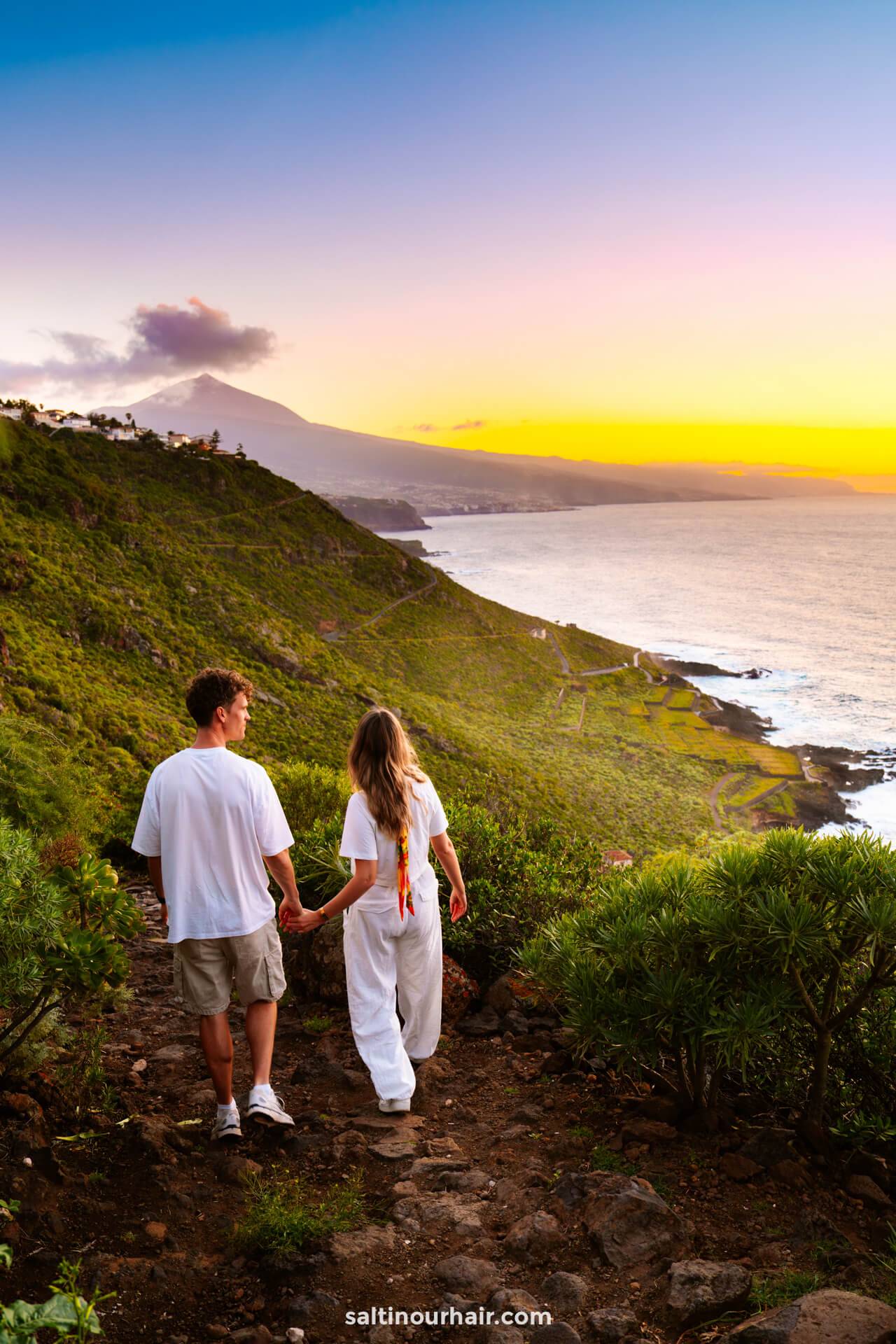
When planning your trip, the things to do in tenerife canary islands list is dominated by its stunning natural landscapes. As the largest of the Canary Islands, Tenerife offers a dramatic contrast between its lush northern forests and arid southern volcanic zones. Nature lovers will find endless opportunities for hiking, sightseeing, and simply soaking in the unique microclimates that define this Spanish archipelago. Whether you are an experienced trekker or a casual walker, the island’s terrain provides accessible paths for all fitness levels, making it a prime destination for outdoor enthusiasts.
Trekking the Teide National Park
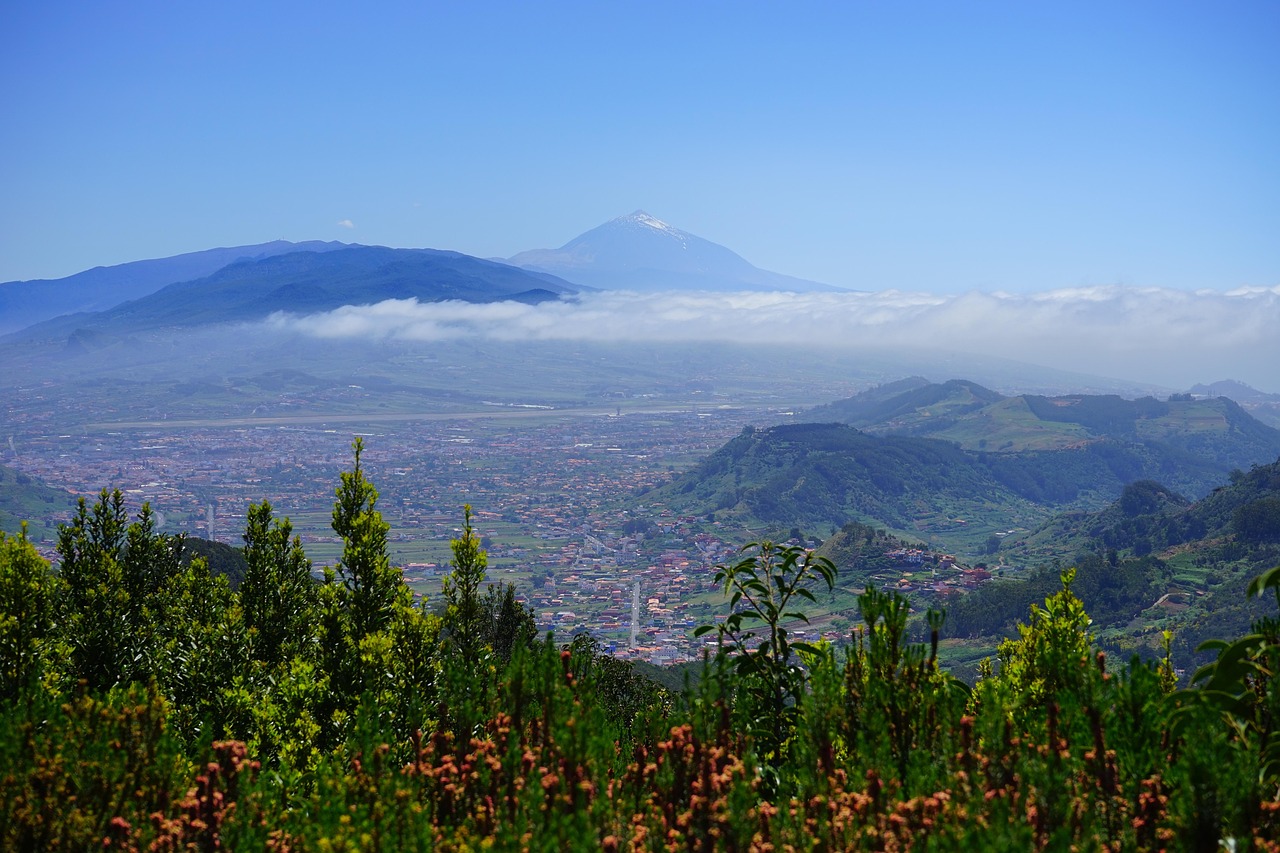
Mount Teide, the highest peak in Spain, is the centerpiece of the island’s natural attractions. The surrounding Teide National Park is a UNESCO World Heritage site famous for its otherworldly landscape of craters, lava fields, and rock formations. You can choose from numerous hiking trails that range from short, easy walks to challenging routes that lead you closer to the summit. For those who prefer not to hike all the way, a cable car service takes you up to a high-altitude viewpoint, offering breathtaking panoramic views of the entire island and, on clear days, even the neighboring island of La Palma. Remember that hiking above a certain altitude requires a permit, so check the current regulations before you ascend.
- Tip: The views are often clearest in the early morning, so consider starting your hike early to avoid crowds and midday heat.
- Note: Wear sturdy footwear and bring plenty of water, as the volcanic terrain can be uneven and the sun intense.

Exploring Anaga Rural Park
On the opposite side of the island, the Anaga Rural Park offers a starkly different experience. This ancient forest, often called the “Amazon of the Atlantic,” is dense with laurel trees and ferns, creating a misty, green sanctuary that feels worlds away from the arid south. The trails here are winding and steep, leading to viewpoints like Roques de García, where you can see the dramatic contrast between the green forest and the blue ocean. The park is also home to endemic species of birds and insects, making it a paradise for wildlife watchers. If you enjoy cooler temperatures and lush vegetation, Anaga should be a priority on your itinerary.
Best Beaches & Water Activities in Tenerife Canary Islands
While many people associate the Canary Islands with year-round sunshine, Tenerife’s coast is as diverse as its interior. From black volcanic sand beaches to protected natural pools, there is a waterfront experience for every preference. The water is generally calm and warm, making it ideal for swimming, snorkeling, and water sports throughout the year. Whether you seek relaxation or adrenaline, the coastal areas offer a perfect balance of leisure and activity.
Swimming in Los Gigantes and Puerto de la Cruz
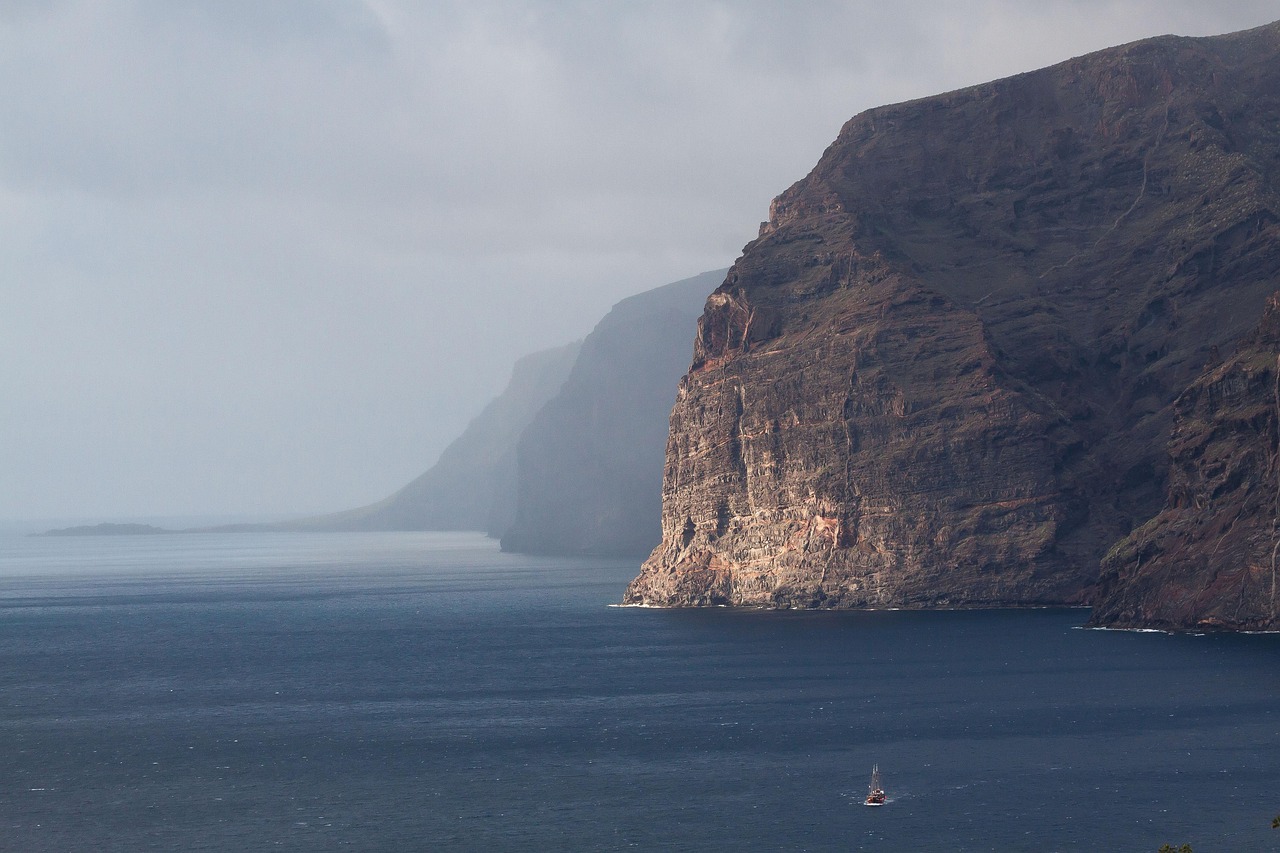
The northern coast of Tenerife is famous for its dramatic scenery. Los Gigantes is a stunning stretch of beach backed by towering cliffs that rise hundreds of meters from the sea. It is a spectacular spot for swimming and takes boat tours that depart from the nearby port, allowing you to see the cliffs from the water. Just a short drive away, Puerto de la Cruz offers a more developed beachfront with amenities, parasols, and easy access to restaurants. This area is particularly popular with families due to its shallow, calm waters and extensive promenade. Both locations showcase the raw beauty of the island’s northern coastline, where the land meets the Atlantic in a dramatic fashion.
- Activity: Book a catamaran tour from Puerto de la Cruz to see sea turtles, which are frequently spotted in these northern waters.
- Advice: Check tide times before visiting Los Gigantes, as the waves can be stronger during high tide.
Visiting Siam Park and Water Parks
For those looking for a full day of thrills, Siam Park is one of the world’s top-rated water parks. Located in the town of Costa Adeje in the south, it features world-class slides, a wave pool, and a lazy river, all set against a beautiful backdrop of tropical landscaping. It is a fantastic option for families or groups of friends who want a guaranteed day of fun regardless of the weather. While it is a commercial attraction, the quality of the facilities and the design of the park make it a worthwhile inclusion in your things to do in tenerife canary islands plan. There are also smaller water parks in the south, such as Aqualand, which offer a more relaxed atmosphere with fewer crowds, suitable for those who prefer a quieter water-based day.
Cultural Towns & Historic Sites in Tenerife Canary Islands
Tenerife is not just about nature; it also has a rich cultural heritage. The island’s towns and villages offer a glimpse into its history, architecture, and local lifestyle. Visiting these areas allows you to connect with the people and traditions of the Canary Islands. From the historic capital to small, picturesque villages perched on cliffs, there is much to explore beyond the beaches and volcanoes.
Strolling through La Laguna and Garachico
Santa Cruz de Tenerife, the capital, is a modern city, but its sister town, San Cristóbal de La Laguna, is a UNESCO World Heritage site. La Laguna is a beautiful colonial town with cobblestone streets, historic churches, and well-preserved architecture. It is a charming place to spend an afternoon, exploring museums and enjoying traditional Canarian coffee. In the north, the town of Garachico is known for its thermal pools, which are filled with seawater heated by volcanic activity. While the pools are a popular activity, the town itself is a delightful place to wander, with narrow streets and ocean views. The combination of history and natural geothermal features makes Garachico a unique destination.
- Culture: La Laguna is a great place to learn about the island’s history through its museums and historic buildings.
- Relaxation: The thermal pools in Garachico are a popular spot for relaxation, especially in the cooler evening hours.
Discovering Masca Gorge and El Sauzal
For a more remote and scenic experience, visit the village of Masca, located at the end of a dramatic gorge. The road to Masca is winding and steep, but the journey is rewarding, offering stunning views of the valley and the ocean. Once in the village, you can enjoy a meal at a local restaurant or explore the surrounding hiking trails. The village itself is quiet and rustic, providing a peaceful escape from the busier tourist areas. In contrast, El Sauzal is a small town in the north known for its wine production. The climate here is ideal for growing grapes, and you can visit local wineries to taste the island’s famous Vinos de la Orotava. These two destinations offer a perfect blend of natural beauty and local culture, highlighting the diverse character of Tenerife.
Where to Stay in Tenerife Canary Islands by Region
Choosing the right place to stay is crucial for maximizing your trip. Tenerife is large, and driving times between the north and south can be significant. Therefore, it is often recommended to split your stay between two regions to minimize travel time and allow you to explore different parts of the island. The north is greener and more traditional, while the south is sunnier and more developed for tourism.
Accommodation near Puerto de la Cruz
Puerto de la Cruz is the main tourist hub in the north, offering a wide range of accommodation options, from budget hostels to luxury hotels. Staying here gives you easy access to the beach, the botanical gardens, and the cable car to Mount Teide. It is also a convenient base for exploring the nearby towns of Garachico and La Laguna. The area is well-served by restaurants and shops, making it a practical choice for travelers who want a mix of comfort and convenience. If you are planning to spend most of your time in the northern part of the island, this is an ideal location.
Luxury and Budget Options in the South
The southern coast, particularly the areas of Costa Adeje and Playa de las Américas, is famous for its high-end resorts and all-inclusive packages. This region is the heart of Tenerife’s tourism industry, offering a wide variety of luxury accommodations with private beaches, spas, and entertainment facilities. However, there are also budget-friendly options available, such as apartments and smaller hotels, catering to travelers on a tighter budget. The south is also closer to the airport, making it a convenient choice for travelers with limited time. Whether you prefer luxury or value, the southern region has something to offer, ensuring a comfortable and enjoyable stay.
- Tips: Book accommodation in advance, especially during peak season, to secure the best rates and availability.
- Note: Consider staying in a centrally located town if you plan to rent a car, as this will allow you to explore more of the island easily.

Food, Dining & Nightlife in Tenerife Canary Islands
The culinary scene in Tenerife is a delightful mix of traditional Canarian flavors and international influences. The island’s location in the Atlantic has influenced its cuisine, with fresh seafood and local ingredients playing a prominent role. Dining out is a popular activity for visitors, and there are options to suit every taste and budget.
Must-Try Local Cuisine and Tapas
When in Tenerife, you must try the local specialties. Papas arrugadas, or wrinkled potatoes, are a staple dish, served with mojo, a spicy or mild sauce made from peppers, garlic, and cumin. Another must-try is gofio, a toasted grain flour that is used in various dishes, from soups to desserts. Seafood is also a highlight, with dishes like calamar a la romana (fried squid) and pescaíto frito (mixed fried fish) being popular choices. For a sweet treat, try the local cheesecake, which is often served with a drizzle of honey or a sauce made from local fruits. Exploring the local markets, such as the Mercado de San Miguel in Santa Cruz, is a great way to sample fresh produce and local delicacies.
- Dining Tip: Look for restaurants with high local patronage, as these often offer the most authentic and affordable meals.
- Recommendation: Try a traditional Canarian stew, known as potaje, which is hearty and flavorful.
Evening Entertainment and Bars
Tenerife’s nightlife is vibrant and varied, with options ranging from quiet beach bars to lively clubs. The southern coast, particularly Playa de las Américas, is known for its bustling nightlife scene, with numerous bars and clubs open until the early hours. The north, on the other hand, offers a more relaxed atmosphere, with many bars located in the historic town centers. Whether you prefer to enjoy a cocktail with a view or dance the night away, Tenerife has something to offer. Live music is also a popular feature, with many venues offering traditional Canarian music or international acts. Exploring the local bars and clubs is a great way to experience the island’s social side and meet other travelers.
Practical Tips: Budget, Seasons & Logistics
Planning your trip to Tenerife requires some practical considerations, including the best time to visit, how to get around, and how to manage your budget. By preparing in advance, you can ensure a smooth and enjoyable experience.
Best Time to Visit for Weather and Crowds
Tenerife enjoys mild weather year-round, making it a popular destination for travelers from all over the world. The best time to visit depends on your preferences. If you prefer warmer temperatures and longer days, the summer months (June to August) are ideal, but they are also the peak tourist season, meaning higher prices and more crowds. If you prefer milder weather and fewer tourists, the spring (April to May) and autumn (September to October) months are excellent choices. These periods offer pleasant temperatures, lower prices, and a more relaxed atmosphere. Regardless of when you visit, it is always a good idea to check the weather forecast before you travel, as conditions can change quickly, especially in the mountains.
- Weather: The north is generally greener and cooler, while the south is sunnier and drier.
- Crowds: Avoid major holidays and school breaks if you want to minimize crowds.
How to Get Around and Budget Planning
Transportation in Tenerife is well-organized, with a network of buses connecting the main towns and tourist areas. These buses are affordable and reliable, making them a great option for travelers who do not want to rent a car. However, a rental car offers the most flexibility, allowing you to explore the island at your own pace and visit remote areas that are not easily accessible by public transport. When planning your budget, consider the costs of accommodation, food, activities, and transportation. Tenerife is generally considered an affordable destination compared to mainland Europe, but prices can vary depending on the season and the type of accommodation you choose. It is always a good idea to set a daily budget and stick to it to avoid overspending.
- Transport: Renting a car is the most convenient way to see the island, but public buses are a good alternative.
- Budget: Look for all-inclusive packages if you want to save on food and drink costs.
Frequently Asked Questions About Tenerife
Before you finalize your trip, you may have some questions about safety and logistics. Here are answers to some of the most common queries from travelers planning a visit to this beautiful island.
Is Tenerife Safe for Solo Travelers?
Tenerife is generally considered a safe destination for solo travelers. Like any tourist destination, it is important to take standard precautions, such as keeping an eye on your belongings and avoiding isolated areas at night. The local people are known for their hospitality, and the police force is responsive. Solo travelers often find that Tenerife is a welcoming and easy place to explore, with a good infrastructure and a friendly atmosphere. By staying aware of your surroundings and using common sense, you can enjoy a safe and enjoyable trip.
Do I Need a Car to See the Best Things to Do?
While you can get around Tenerife using public buses, having a car is highly recommended to fully experience the island. The bus system connects the main tourist areas, but it can be slow and infrequent in some regions. A car allows you to visit remote villages, hidden beaches, and hiking trails that are not easily accessible by public transport. It also gives you the flexibility to change your plans on a whim and explore the island at your own pace. If you decide to rent a car, familiarize yourself with local driving rules and be prepared for winding mountain roads. For many travelers, the convenience of a car is worth the cost, especially if you are planning to visit multiple regions of the island.
For more inspiration on European getaways, you can explore our Europe travel guides to plan your next adventure. Tenerife offers a unique blend of nature, culture, and relaxation, making it a top choice for travelers seeking a memorable holiday.