
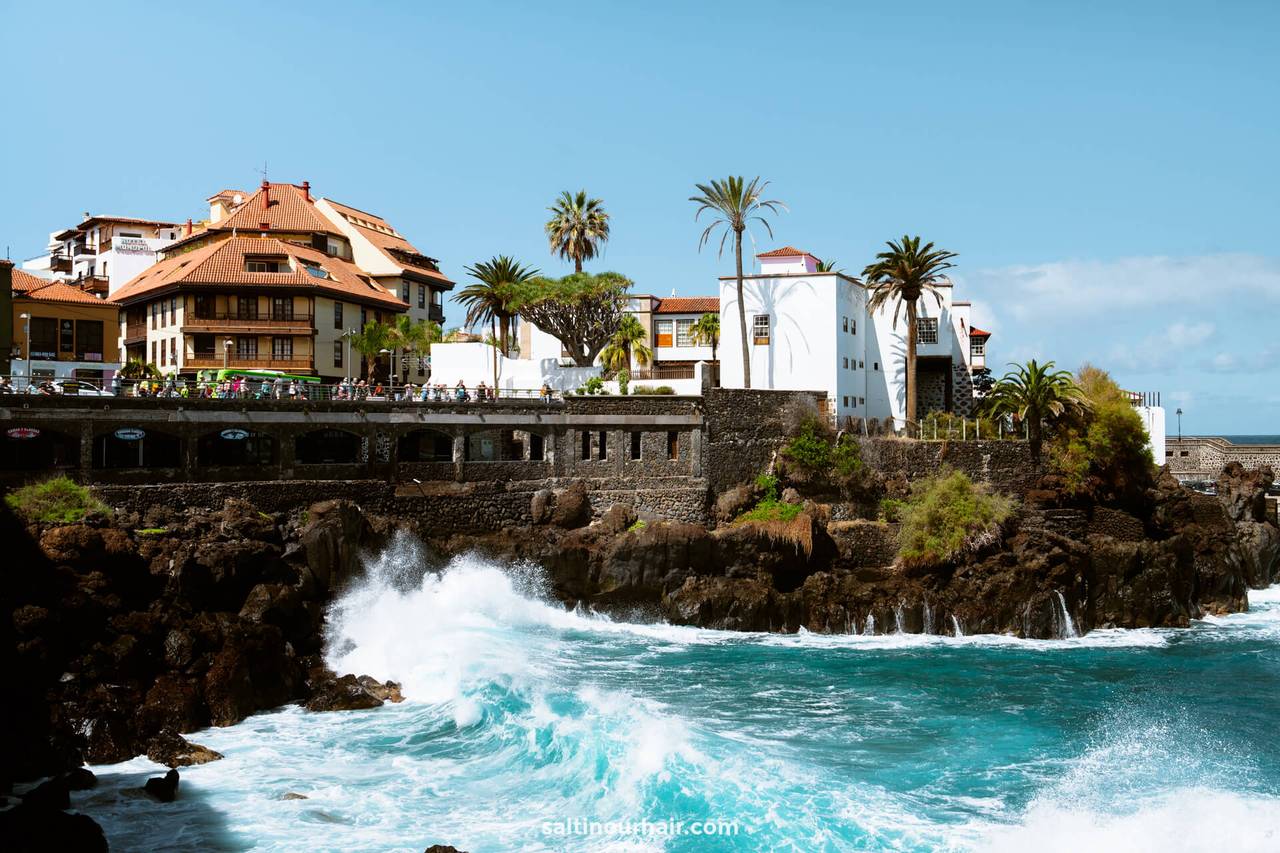
Top Attractions: Things to do in Puerto de la Cruz Tenerife
When planning your trip to the northern coast of Tenerife, the list of things to do in puerto de la cruz tenerife is surprisingly diverse. This town offers a mix of volcanic landscapes, historic architecture, and unique recreational spots that set it apart from the resort-heavy south. Whether you are a first-time visitor or returning for another round of island exploration, the core attractions here provide a balanced experience of relaxation and culture.
Relaxing at Lago Martiánez and the Siam Park Area
The most iconic feature of this coastal town is Lago Martiánez, an artificial lake built in 1968 as a tsunami defense. It is not a natural body of water, but a fascinating engineering feat that has become a beloved local hangout. The surrounding park is filled with palm trees, playgrounds, and open spaces for walking. You can rent a pedal boat to glide across the calm waters, or simply sit on the grass and watch the sun set over the Atlantic. The atmosphere is relaxed and family-friendly, making it an ideal spot for downtime between sightseeing activities.
- Tip: Visit in the late afternoon when the light is soft and the crowds are thinner.
- Note: The lake is part of a flood defense system, so access rules may change during high tide or storm warnings.
Just nearby, you will find the area surrounding Siam Park, one of the premier water parks in the world. Even if you do not purchase a ticket for the park itself, the surrounding promenade is worth a stroll. It offers a different vibe from the quieter historical center, with more commercial energy and plenty of options for snacks and souvenirs. The contrast between the serene lake park and the bustling water park zone gives you two distinct experiences in a short walk.

” alt=”Sandy beach in Puerto de la Cruz Tenerife”>
Exploring the Agatha Christie Stairs and Botanical Gardens
For those interested in history and architecture, the Agatha Christie Stairs are a must-see. Named after the famous mystery writer who spent many winters in this part of Spain, these distinctive spiral staircase structures lead down to the bay from a higher elevation. They are a striking example of modernist design and offer excellent photo opportunities. The walk up or down provides a good perspective of the town’s layout and the dramatic drop to the sea below.
Close by, the Botanical Gardens of Puerto de la Cruz offer a quieter retreat. These gardens feature cacti and succulents that thrive in the arid climate of the north coast. It is a peaceful place to wander, with well-maintained paths and informative signage. The collection is smaller than those in the south of the island, but it provides a nice educational break from the beaches and town center. Combining these two spots allows you to cover both architectural history and botanical interest in a single afternoon.
A Perfect Day Itinerary for Things to do in Puerto de la Cruz Tenerife
Structuring your time is key to making the most of your visit. While you could spend several days here, a well-planned single day can cover the highlights without feeling rushed. This sample itinerary balances outdoor activities with cultural stops and dining, ensuring you experience the full range of what the town has to offer.
Morning: Beaches and Coastal Walks
Start your day with a visit to the black sand beaches. The contrast between the dark volcanic sand and the blue Atlantic is visually striking. The water can be cool, but it is refreshing in the morning heat. Many visitors prefer to walk along the coastal path rather than just swimming. This route offers fresh air and views of the rugged coastline. Bring comfortable shoes, as the terrain can be uneven in places. If you are an early riser, you might catch the sunrise over the ocean, a serene start to your day on the Canary Islands.

” alt=”Volcanic landscape near Puerto de la Cruz Tenerife”>
Afternoon: Historic Town Center and Museums
After a morning by the sea, head into the town center for some cultural exploration. The architecture here reflects the island’s colonial past, with whitewashed buildings and traditional balconies. Take time to explore the local markets, where you can find fresh produce, local cheeses, and handicrafts. The museums in the area provide insight into the history of the region, including its volcanic activity and maritime heritage. A visit to the local church is also recommended, as the interior often features interesting religious art and history. This midday period is perfect for indoor activities, helping you escape the strongest sun of the day.
Evening: Sunset Views and Local Dining
As the day winds down, find a spot with a view of the western horizon. Puerto de la Cruz is famous for its sunsets, and the colors reflected on the water are spectacular. Many locals and tourists gather at the waterfront promenade to watch the sky change hues. After the sunset, head to a local restaurant for dinner. The evening air is mild, making it comfortable to walk to your dining spot. This transition from outdoor sightseeing to indoor dining is a classic way to end a day in the Canaries, leaving you relaxed and ready for rest.
Where to Eat: Best Cafes and Restaurants in Puerto de la Cruz
Dining in this region of Spain is a highlight of the travel experience. The food scene ranges from casual street-side cafes to more formal restaurants with ocean views. Understanding the local dining culture will help you make the most of your meals. Most establishments serve traditional Canarian cuisine, which features local seafood, potatoes, and fresh vegetables.
Budget-Friendly Spots for Tapas and Coffee
For a lighter meal, look for small cafes and bars in the town center. These spots are perfect for grabbing a coffee, a pastry, or a quick plate of tapas. Tapas are a great way to sample a variety of flavors without committing to a full dinner. Prices at these venues are generally reasonable, making them a good option for travelers on a budget. You can often find local specialties like papas arrugadas (wrinkled potatoes) with mojo sauce, a staple of the island’s cuisine. These spots are usually lively and offer a genuine glimpse into daily local life.
- Tip: Try the local wine, as the region is known for its unique vineyards.
- Note: Many smaller spots may not accept credit cards, so carrying some cash is advisable.

” alt=”Traditional Spanish tapas served in Puerto de la Cruz”>
Mid-Range Dining with Ocean Views
If you are looking for a more relaxed dining experience, seek out restaurants located along the waterfront or in higher-elevation areas with views. These establishments often offer a more extensive menu, including fresh fish and seafood dishes. The setting is usually more atmospheric, with outdoor seating that overlooks the bay or the volcanic hills. While the prices are higher than at casual cafes, the experience is worth it for a special evening. Reservations are recommended for popular spots, especially during peak tourist seasons. The combination of good food and a beautiful view makes for a memorable end to your day.
Logistics: How to Get Around and Where to Stay
Practical planning is essential for a smooth trip. Understanding how to move around the town and where to base yourself will save you time and stress. Puerto de la Cruz is a relatively compact town, but the surrounding attractions can spread you out. Having a clear plan for transport and accommodation will help you maximize your time exploring.
Transport Options and Parking Tips
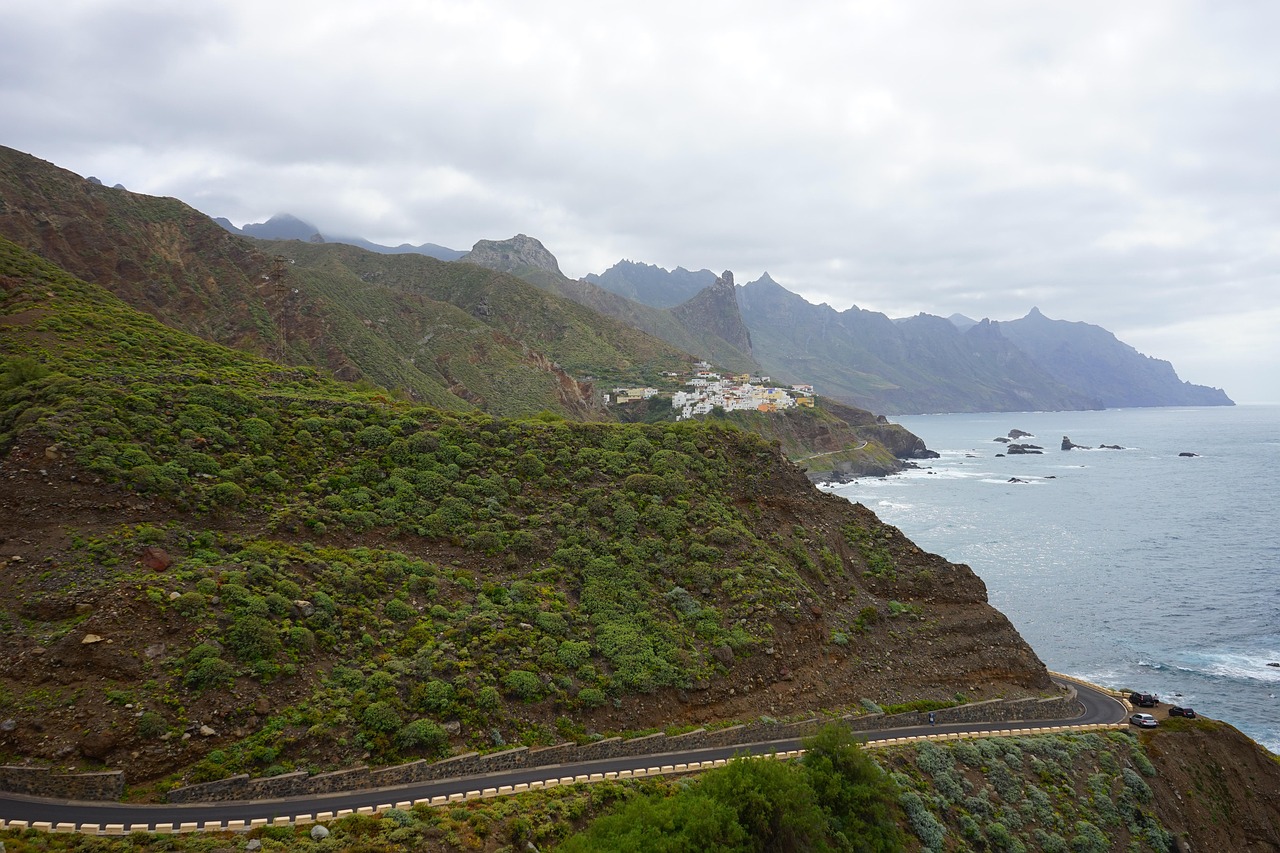
Public transport in Tenerife is efficient, with buses connecting Puerto de la Cruz to other major towns and airports. Buses are a cost-effective way to travel, and schedules are generally reliable. However, for maximum flexibility, renting a car is often the preferred choice for independent travelers. Driving allows you to explore nearby villages and viewpoints at your own pace. If you choose to drive, be aware that parking in the town center can be limited. It is often easier to park on the outskirts and walk in, or use designated parking lots near the main attractions. Always check local parking signs, as some areas are reserved for residents or have time limits.
If you are staying nearby, walking is a viable option for many of the core attractions. The town is walkable, with flat areas and gentle slopes. Just be mindful of your footwear, as some paths may be uneven. For longer distances, such as trips to national parks, a car or bus is necessary. Planning your transport in advance will help you avoid the hassle of last-minute arrangements.
” alt=”Scenic coastal road along Puerto de la Cruz coast”>
Recommended Accommodations for Your Stay
Choosing the right place to stay depends on your travel style. Puerto de la Cruz offers a range of options, from budget hostels to luxury hotels. Many accommodations are located within walking distance of the beach and the town center, which is convenient for tourists. If you prefer a quieter setting, look for hotels on the higher ground, which often offer panoramic views of the coast and the surrounding mountains. These properties tend to be more spacious and peaceful. For families, apartments with kitchen facilities can be a good option, allowing for some self-catering. Always check recent reviews to ensure the accommodation meets your expectations regarding cleanliness and location.
Nearby Excursions: Extending Your Tenerife Trip
While Puerto de la Cruz is a destination in its own right, it serves as an excellent base for exploring the wider island. The northern coast is rich in culture and nature, and day trips from here can significantly enhance your travel experience. Combining your stay in this town with visits to nearby areas allows you to see the diversity of Tenerife.
Visiting La Orotava and Icod de los Vinos
Just a short drive away lies La Orotava, a historic town known for its colonial architecture and narrow streets. It is a pleasant place to walk around, with well-preserved buildings and local shops. The town is famous for its terracotta tiles and traditional balconies. Nearby, Icod de los Vinos offers a different experience, with its unique pine tree and local wine culture. Both towns are accessible by car or bus and make for nice half-day trips. They provide a glimpse into the traditional Canarian way of life, away from the tourist crowds. Visiting these places adds depth to your understanding of the island’s history and culture.
Combining with Teide National Park or South Tenerife
For nature lovers, a trip to Teide National Park is highly recommended. Located in the center of the island, it features stunning volcanic landscapes and the highest peak in Spain. The drive from Puerto de la Cruz takes about an hour, making it a feasible day trip. The park offers hiking trails, viewpoints, and a cable car up the volcano. In contrast, the south of Tenerife offers a different climate and vibe, with more sunshine and larger resorts. You can combine a visit to the north’s cultural sites with a day in the south’s beach towns for a well-rounded trip. This mix of environments allows you to experience the full range of what the Canary Islands have to offer. Check the weather conditions before heading to high altitudes, as conditions can change rapidly in the mountainous regions.
Frequently Asked Questions About Puerto de la Cruz
Travelers often have specific questions about visiting this part of Tenerife. Here are answers to some common inquiries to help you plan your trip with confidence.
Is Puerto de la Cruz suitable for families?
Yes, it is very family-friendly. The calm waters of Lago Martiánez, the playgrounds in the parks, and the gentle pace of the town make it ideal for children. Many hotels also offer family-oriented facilities and services.
What is the best time of year to visit?
The climate is mild year-round, but spring and autumn are often considered the best times to visit. Summer can be warmer, while winter is cooler but still pleasant. Avoid peak holiday periods if you prefer smaller crowds. The weather is generally stable, making it a reliable destination for any time of year.
How many days do I need to spend here?
One to two days is sufficient to see the main attractions in Puerto de la Cruz. If you plan to visit nearby towns or national parks, you may want to extend your stay. A longer stay allows for a more relaxed pace and deeper exploration of the local culture.
Is the water in the ocean warm enough for swimming?
The Atlantic water can be cooler than in other Mediterranean destinations, but it is swimmable, especially in the summer months. Many visitors find it refreshing. If you prefer warmer water, you might consider the artificial lagoons or pools, which are often heated.
Are there any accessibility concerns?
Most main attractions are accessible, but some historic areas may have narrow streets or uneven surfaces. If you have mobility issues, it is advisable to check specific accessibility details for each site you plan to visit. Many modern facilities are designed with accessibility in mind, but older buildings may present some challenges.
By focusing on these key aspects, you can create a memorable and well-organized trip to the north coast of Tenerife. The blend of natural beauty, historical interest, and local culture makes it a standout destination in the region. Enjoy your time exploring this charming corner of the Spanish islands.