
Essential Logistics: How to Get to Anaga Rural Park, Tenerife
Planning a trip to Anaga Rural Park, Tenerife requires a bit of preparation, as the park’s rugged terrain and location in the northeast of the island can be tricky for first-time visitors. Whether you are staying in Puerto de la Cruz or further south, understanding how to navigate to this natural reserve is the first step toward a successful day out. The park is not a single destination but a vast area of protected land, so choosing your base point and transport method is crucial.
Driving, Buses, and Tour Options
Having your own car is the most flexible way to explore the park. The main access road, TF-511, winds through the landscape and offers numerous viewpoints. However, parking can be limited during peak hours, so arriving early is a smart move. If you do not have a vehicle, public buses are a reliable alternative. The TIB bus network connects Puerto de la Cruz with several key points inside the park, such as Benijo and the main hiking trailheads. Buses run less frequently on weekends, so checking current schedules before you leave is essential.
- Car: Ideal for flexibility, but be prepared for narrow, winding roads.
- Bus: Affordable and eco-friendly; best for those staying in Puerto de la Cruz.
- Tours: Guided day tours are available from major hotels, though they offer less independence.
For those who prefer a structured experience, joining a small-group walking tour can be beneficial. These tours often provide local insights into the flora and fauna that you might miss when hiking solo. Always confirm the meeting point and what is included, such as lunch or equipment rental, when booking.

The Best Time to Visit Anaga Rural Park, Tenerife
The climate in the Anaga peninsula is unique due to its altitude and exposure to trade winds. While the rest of Tenerife might be hot and dry, the park often enjoys milder temperatures and lush greenery. Choosing the right time to visit ensures you get the best views and trail conditions without dealing with unnecessary weather challenges.
Weather, Safety, and Trail Conditions
Spring and autumn are generally considered the best seasons for hiking. The temperatures are comfortable, and the risk of extreme heat or heavy rain is lower. In summer, the afternoons can be humid, and the mist may obscure the famous “islands in the sky” view. Winter brings cooler temperatures and the possibility of rain, which can make trails slippery. Always check the local weather forecast and park announcements before setting out.
Safety is paramount in this natural environment. The trails can be steep and uneven, so sturdy footwear is non-negotiable. Carry plenty of water, as there are few facilities once you are deep in the forest. If you are unsure about your fitness level or route choice, consider starting with shorter, well-marked paths. The park service office in Puerto de la Cruz provides up-to-date information on trail closures or hazards.
- Spring (March–May): Mild weather, blooming flora, and clear views.
- Autumn (September–November): Lower crowds and stable temperatures.
- Summer (June–August): Start early to avoid heat; carry extra water.
- Winter (December–February): Check for rain; layers are essential.
Top Things to Do in Anaga Rural Park, Tenerife
Beyond the famous hikes, the park offers a rich tapestry of experiences for nature lovers. From ancient forests to dramatic coastal cliffs, there is something for every type of traveler. This section highlights the key attractions that define the area and helps you decide which aspects of the park to prioritize during your visit.
Hiking the Roca de Taborno and Mirador de Jardina
The Roca de Taborno is often cited as one of the best hikes in Anaga. The trail to this rocky outcrop offers a moderate challenge with rewarding panoramic views of the Atlantic Ocean and the surrounding islands. It is a favorite among hikers who want a solid workout with a dramatic finish. The Mirador de Jardina, located nearby, provides a spectacular viewpoint over the forest canopy. On clear days, you can see the “floating islands” of cloud that hover above the treetops, a phenomenon unique to this part of the Canary Islands.
Exploring the Laurel Forest Ecosystem
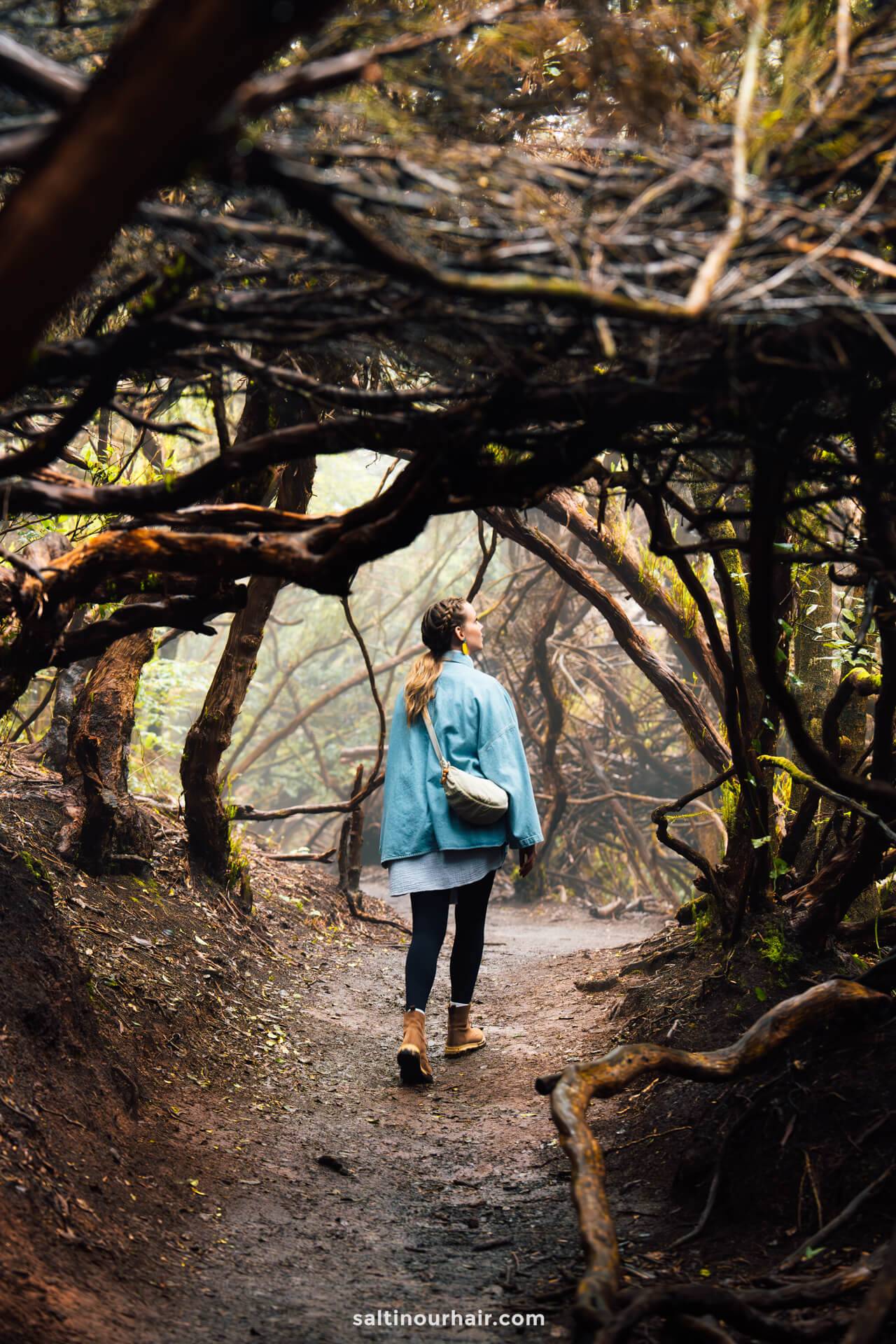
One of the most significant aspects of the park is its laurel forest, a relic of the ancient forests that once covered much of the region. This ecosystem is home to endemic species of plants and fungi, making it a biodiversity hotspot. Walking through these dense, green woods is a meditative experience, with the air smelling of earth and moss. Keep an eye out for the local wildlife, including the Tenerife blue chaffinch and various lizard species. Guided nature walks can enhance this experience by identifying specific plant species and explaining their ecological role.

Anaga Rural Park, Tenerife: A Step-by-Step Itinerary
Having a plan helps you make the most of your day, especially if you are short on time. This suggested itinerary balances driving, hiking, and relaxation, allowing you to experience the highlights without feeling rushed. Adjust the pace based on your fitness level and the weather conditions on the day.
Morning: Scenic Drives and Short Walks
Start your day by driving along the TF-511 road, stopping at the Mirador de Jardina for photos and a brief walk. The path here is easy and suitable for all fitness levels, making it a perfect warm-up. Spend 30 to 45 minutes enjoying the views and taking in the atmosphere. If you are arriving by bus, this is a convenient first stop as it is close to the main road. Grab a coffee and a pastry from a local café nearby to fuel up for the main activity of the day.
Afternoon: The Main Hike and Lunch
Head to the trailhead for the Roca de Taborno hike. Allow approximately two to three hours for the round trip, depending on your pace. The climb is steady but manageable, and the reward at the top is worth the effort. After descending, head to the coastal village of Benijo or a nearby restaurant in Puerto de la Cruz for lunch. Enjoy a traditional Canarian meal, featuring fresh seafood or local meats, while reflecting on the day’s adventures. This balance of activity and rest ensures you finish the day feeling refreshed rather than exhausted.
Where to Eat and Stay Near Anaga Rural Park, Tenerife
While the park itself offers limited dining options, the surrounding areas provide excellent choices for food and accommodation. Staying close to the park can save you travel time, while staying in Puerto de la Cruz offers a wider range of amenities and nightlife. Consider your priorities when choosing where to base yourself for your Tenerife Canary Islands things to do list.
Local Restaurants and Beaches
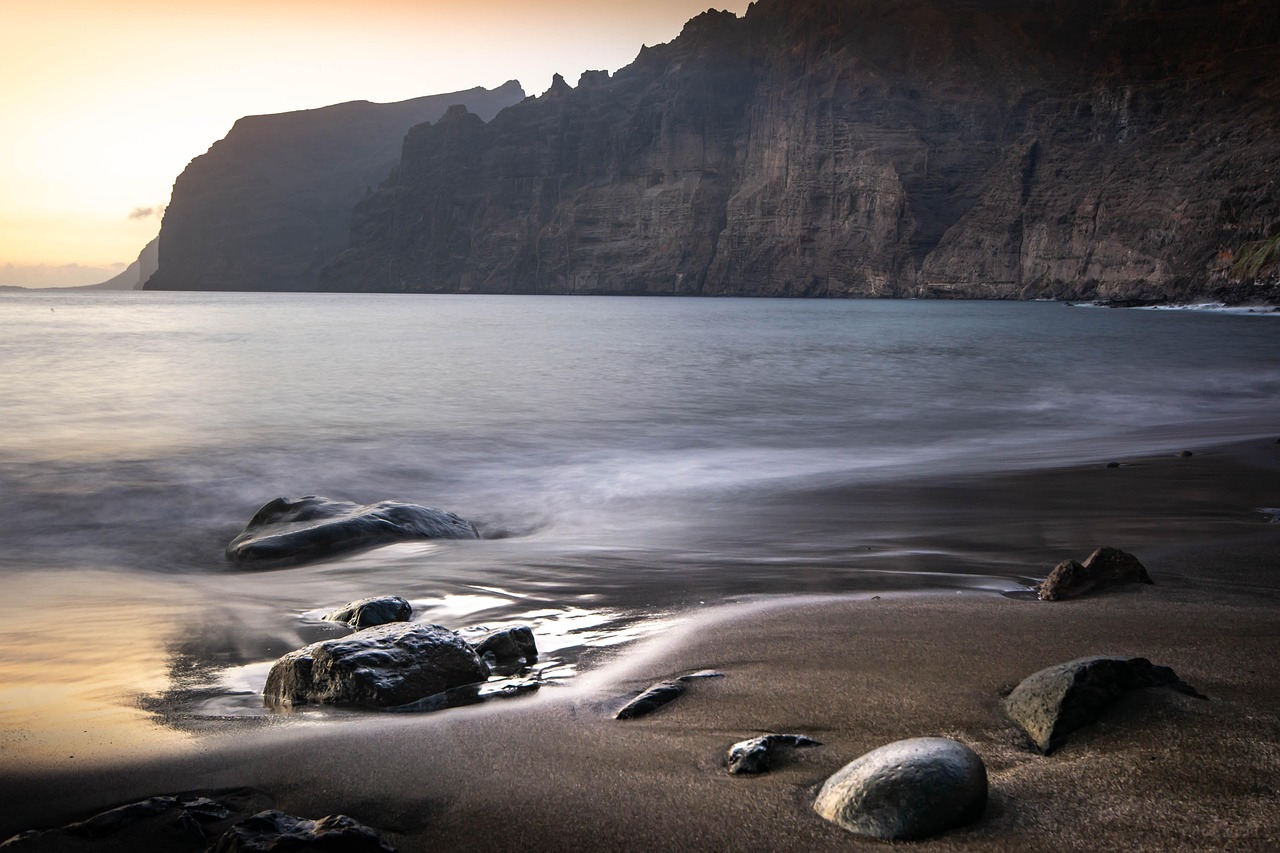
Restaurants in the area often serve fresh, locally sourced ingredients. Look for spots serving Canarian cuisine, such as gofio-based dishes or fresh tuna. The coastal roads offer access to several beautiful beaches, including Benijo Beach, which is known for its black sand and rugged beauty. These beaches are perfect for a short swim or a peaceful walk after your hike. Check local reviews for the best spots, as quality can vary, and some places may be busy on weekends.
Accommodation Options for Extended Stays
For those planning to spend multiple days in the region, Puerto de la Cruz is the primary hub. It offers a mix of hotels, hostels, and vacation rentals. Staying here gives you easy access to the park, as well as other attractions in the north of the island, such as the Siam Park or the old town. If you prefer a quieter setting, there are some guesthouses in the smaller villages around the park, though options are more limited. Booking in advance is recommended, especially during peak tourist seasons.
Frequently Asked Questions About Anaga Rural Park, Tenerife
Here are answers to some common questions that help clarify logistics and expectations for visitors.
Is Anaga Rural Park suitable for families with children?
Yes, many of the shorter trails and viewpoints are suitable for families. The Mirador de Jardina path is easy and safe for young children. However, the more challenging hikes like Roca de Taborno require a good level of fitness and should be approached with caution if you have very young kids or limited mobility. Always check trail difficulty ratings before starting.
Do I need a special permit to enter the park?
Generally, no special permit is required for standard hiking and sightseeing. The park is accessible to the public, but you must follow local regulations, such as staying on marked trails and not leaving trash. Some remote areas may have restricted access, so it is best to stay within the designated tourist zones.
What should I pack for a day trip?
Essential items include sturdy hiking shoes, plenty of water (at least 1.5 liters per person), sun protection, and a light jacket. The weather can change quickly, so layering is a good strategy. A small backpack is useful for carrying your gear, and a map or offline GPS app can be helpful if you lose signal in the forest.
Are there toilets or facilities in the park?
Facilities are limited. There are toilets at the main trailheads and in the nearby towns, but few are available deep in the forest. Plan your breaks accordingly and carry essential supplies if you are heading to remote areas. It is also a good idea to check with local authorities or park rangers for the latest information on facility availability.
For more inspiration on other destinations in the region, check out our Europe travel guides or explore general travel tips to make the most of your trip. Remember to respect the natural environment by leaving no trace and keeping the park pristine for future visitors. With careful planning and a sense of adventure, your visit to Anaga will be an unforgettable part of your Canary Islands journey.