

Europe Travel Safety Overview: 2027 Advisory Levels for Americans
Europe travel safety for Americans in 2027 is generally high, with most countries rated low risk by major governments. The U.S. State Department maintains Level 1 (exercise normal precautions) for the majority of Western European nations, while many Eastern European destinations also sit at Level 1 or Level 2. I’d recommend checking the latest advisory before you book, as ratings can shift with seasonal events or regional developments.
Overall, violent crime against tourists remains rare, and the continent benefits from strong healthcare infrastructure and reliable emergency services. Still, petty theft and scams are the most common concerns, especially in crowded cities and tourist hotspots.
Country-by-Country Breakdown: Western vs Eastern Europe
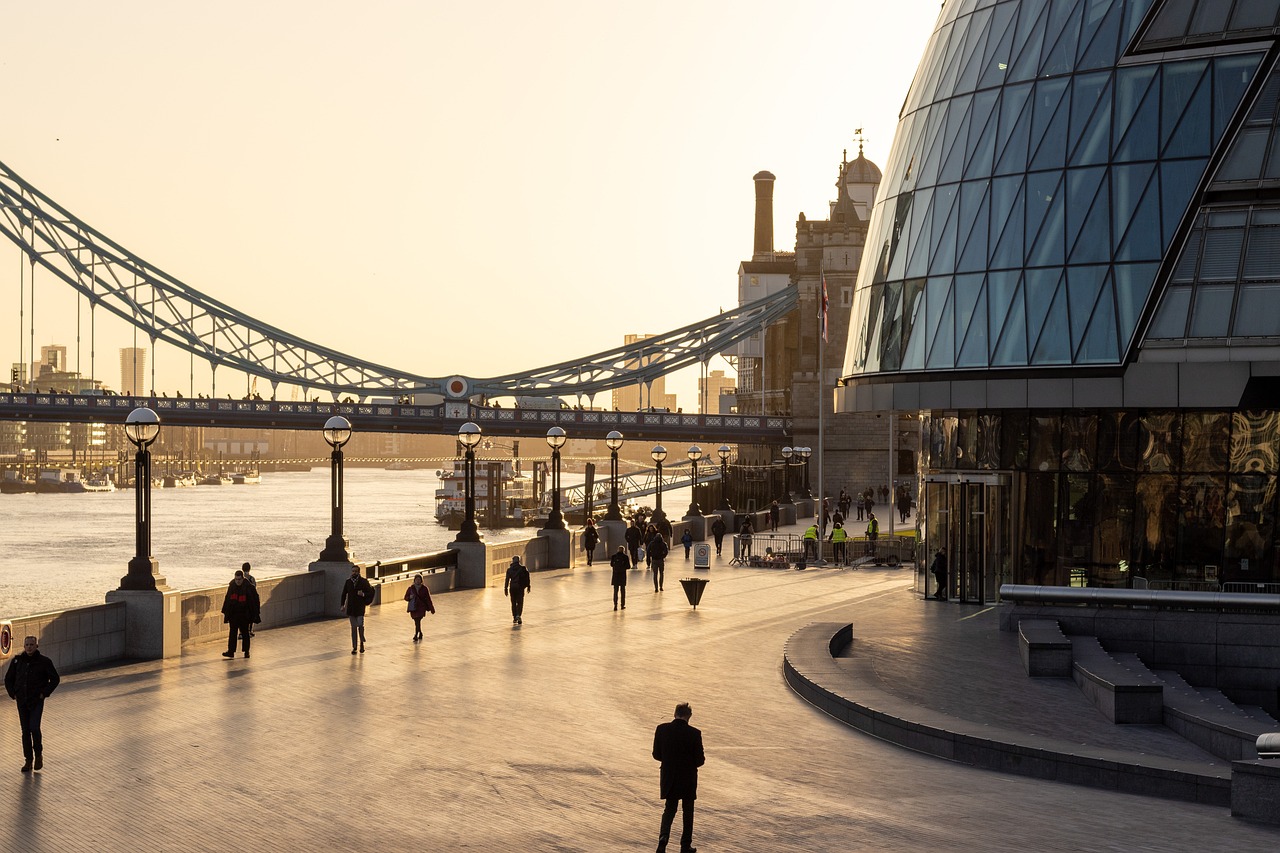
In Western Europe, countries such as France, Germany, Spain, and Italy consistently show low incident rates for visitors. The United Kingdom and the Netherlands also report few safety alerts beyond typical pickpocketing advisories. Moving east, Poland, Czech Republic, and Hungary maintain similar Level 1 ratings, though border areas near Ukraine may occasionally see temporary Level 2 notices due to regional tensions.
Scandinavia and the Baltic states rank among the safest spots in Europe, with very low crime rates and high standards of public hygiene. I’d note that while the overall risk is low, staying aware of your surroundings in nightlife districts is always wise.
Official Advisory Sources Compared: State Department, CDC, and FCDO
The U.S. State Department’s travel advisories focus on political stability, crime, and terrorism risks. The CDC adds a health layer, highlighting vaccination recommendations and any disease outbreaks. The UK’s Foreign, Commonwealth & Development Office (FCDO) often mirrors the State Department but may include nuanced notes on local laws or cultural sensitivities.
For the clearest picture, I’d suggest checking all three sources and noting where they overlap. When they agree on a low risk level, you can feel confident about your plans.
Europe Travel Safety by Region: Western vs Eastern Europe Breakdown
Western Europe’s travel safety picture is shaped by dense tourist infrastructure, efficient police presence, and widespread use of credit cards, which reduces the need to carry cash. Cities like Paris, Rome, and Barcelona do see higher rates of bag snatching, so I’d advise using anti‑theft bags and staying alert on public transport.
Eastern Europe offers a slightly different experience: lower tourist volumes in many areas mean fewer opportunistic thefts, but language barriers can sometimes complicate emergency situations. I’d recommend learning a few basic phrases in the local language and keeping a copy of your embassy’s contact information handy.
Both regions benefit from excellent rail networks, which are generally safe and well‑patrolled. Night trains in Western Europe have occasional reports of theft, so I’d suggest securing your luggage and choosing reputable operators.

Common Tourist Scams in Europe and How to Avoid Them
Europe travel safety often hinges on recognizing the most frequent scams that target visitors. The “gold ring” trick, where someone pretends to find a valuable ring and asks for money to return it, remains popular in major squares. Another common ploy involves distraction techniques: one person asks for directions while an accomplice lifts your wallet or phone.
Ticket scams also appear, especially around popular attractions where unofficial vendors sell forged or overpriced entry passes. I’d advise buying tickets only from official websites or authorized booths.
To stay safe, keep your valuables out of sight, use a money belt or hidden pouch, and trust your instincts if a deal feels too good to be true. A quick search for “Europe travel safety scams” before you go can help you spot the latest tricks.
Practical Europe Travel Safety Tips for American Travelers
Beyond knowing the scams, a few practical habits can boost Europe travel safety significantly. I’d start with copying your passport and storing the digital version in a secure cloud service, while keeping the physical copy separate from the original.
Staying connected is key, so I’d recommend a local data plan; you can grab an Europe data plan upon arrival or order one online before you leave. This lets you use maps, translation apps, and emergency numbers without hunting for Wi‑Fi.
When it comes to accommodation, choosing well‑reviewed hotels or hostels in central neighborhoods adds a layer of security. You can compare places to stay in Europe before you book to see recent guest feedback on safety.
For getting around, licensed taxis or rideshare apps are generally safer than unmarked cabs. For reliable airport transfers, consider a pre‑booked airport taxi in Europe that meets you at the arrivals hall.
Joining a guided city walking tour in Europe can also reduce risk, especially in unfamiliar cities, because guides know which areas to avoid after dark and can offer real‑time advice.
Finally, I’d suggest sharing your itinerary with a friend or family member back home and checking in regularly, particularly if you’re venturing into rural areas or hiking trails.
Solo Traveler Safety in Europe
Solo travelers often enjoy Europe’s welcoming hostels and social tours, but they also face unique considerations. I’d advise choosing accommodations with 24‑hour reception and social common areas, as these make it easier to meet fellow travelers and get local tips.
When exploring alone, stay in well‑lit streets after sunset and avoid displaying expensive gadgets openly. Many cities have women‑only hostels or floors, which some solo female travelers find comforting.
Women’s Safety Tips for Europe
Women traveling alone or with friends should feel confident in most European destinations, yet a few extra precautions can improve peace of mind. I’d recommend using trusted rideshare apps late at night rather than hailing random taxis, and always sharing your ride details with a contact.
In nightlife districts, keep an eye on your drink and consider using a cover or tester strip if you’re concerned about spiking. Many larger cities now offer “safe taxi” programs operated by municipal authorities, which I’d suggest looking up before you go out.
Health and Seasonal Risks in Europe
Europe travel safety also includes health considerations that vary by season. Summer months can bring heatwaves in southern regions, so I’d advise staying hydrated, using sunscreen, and planning outdoor activities for early morning or evening.
Winter brings icy streets in northern and alpine areas; appropriate footwear with good grip is essential to prevent slips. Flu season typically peaks between December and February, so getting a flu shot before travel is a sensible step.
Regarding water, most Western European countries have tap water that’s safe to drink, but some older buildings in Eastern Europe may have outdated plumbing. I’d suggest checking a recent guide or asking your host if you’re unsure.
Where to Stay in Europe: Safest Cities and Neighborhoods
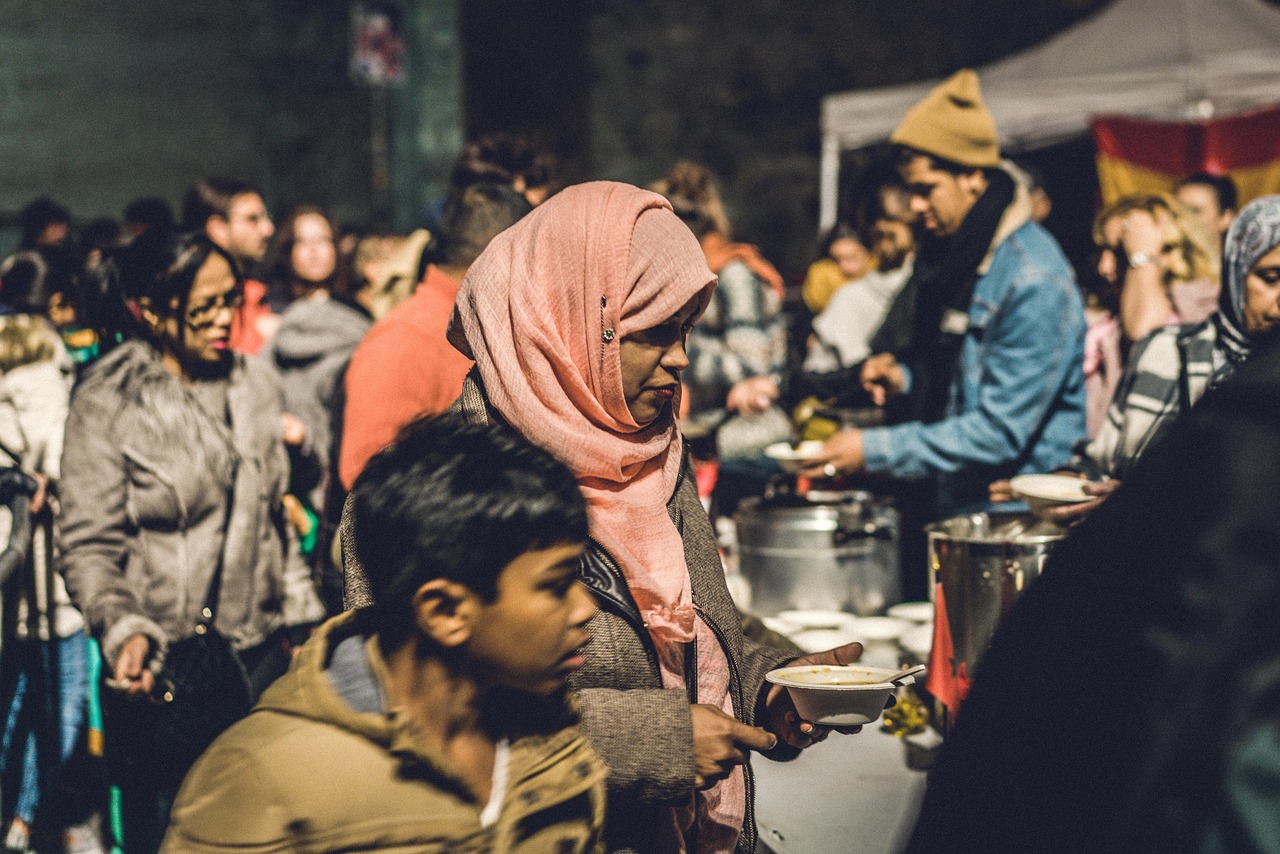
When evaluating Europe travel safety, the choice of city and neighborhood can make a noticeable difference. Cities such as Vienna, Copenhagen, and Zurich regularly rank high for low crime rates and excellent public services. Their central districts are well‑lit, pedestrian‑friendly, and heavily patrolled.
In larger metros like London, Paris, or Rome, I’d look for neighborhoods with a residential feel and good transport links—areas like Kensington in Paris, Marienplatz in Munich, or Trastevere in Rome often provide a quieter base while still offering easy access to sights.
Choosing accommodation with secure entry, a reception desk, and in‑room safes adds another layer of protection. You can compare places to stay in Europe to see which properties highlight safety features in their descriptions.
If you’re traveling with family, consider hotels that offer connecting rooms or family suites, as these often come with added security measures like extra locks or monitored entrances.
Getting Around Europe: Transport Safety and Airport Transfers
Public transport is generally the safest and most efficient way to move around Europe. Trains, trams, and metros in major cities are equipped with CCTV, emergency intercoms, and regular staff patrols. I’d still advise keeping an eye on your belongings, especially during rush hour when crowds peak.
For longer journeys, high‑speed rail services like the TGV, ICE, or AVE offer comfortable seats and onboard security personnel. Night trains are an option, but I’d recommend selecting a reputable carrier and securing your luggage to the rack or using a lockable bag.
When arriving at an airport, pre‑booking a transfer can reduce stress and improve Europe travel safety. A reliable airport taxi in Europe driver will meet you at baggage assistance, help with your bags, and take you directly to your lodging.
If you prefer to drive, remember that many European cities have low‑emission zones and limited traffic centers where only authorized vehicles can enter. I’d suggest researching parking options ahead of time and considering a park‑and‑ride service on the outskirts.
FAQ: Europe Travel Safety in 2027
Is Europe safe to travel for Americans in 2027?
Yes, most European countries maintain low risk ratings for visitors. Petty theft and scams are the primary concerns, while violent crime against tourists remains uncommon.
Which countries currently have the highest safety ratings?
Nations such as Switzerland, Norway, Sweden, Denmark, and Finland consistently appear at the top of safety indexes, often with Level 1 advisories from both the State Department and the FCDO.
Are there any regions I should avoid?
As of early 2027, no entire country is off‑limits for American tourists. Some border areas near Ukraine may carry temporary Level 2 notices due to regional tensions, but major cities and tourist routes remain open.
How can I protect myself from pickpocketing?
Use a money belt or hidden pouch, keep wallets in front pockets, and stay vigilant in crowded markets, transit stations, and popular landmarks. Anti‑theft backpacks with lockable zippers are also helpful.
Should I purchase travel insurance for a Europe trip?
I’d strongly recommend a policy that covers medical emergencies, trip cancellation, and personal belongings. Verify that it meets Schengen requirements if you plan to visit multiple countries.
Is tap water safe to drink across Europe?
In most Western European nations, tap water meets high safety standards. In parts of Eastern Europe, older infrastructure may affect taste or quality; when in doubt, opt for filtered or bottled water.
What should I do if I lose my passport abroad?
Contact the nearest U.S. embassy or consulate immediately to arrange an emergency travel document. Having a digital copy stored securely speeds up the process.